
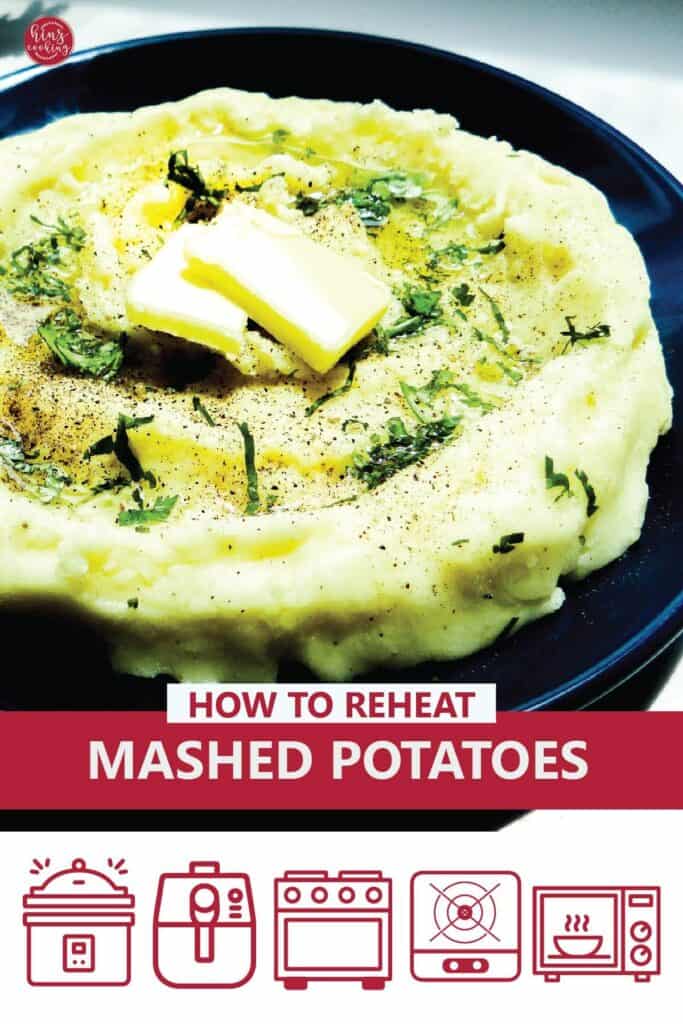
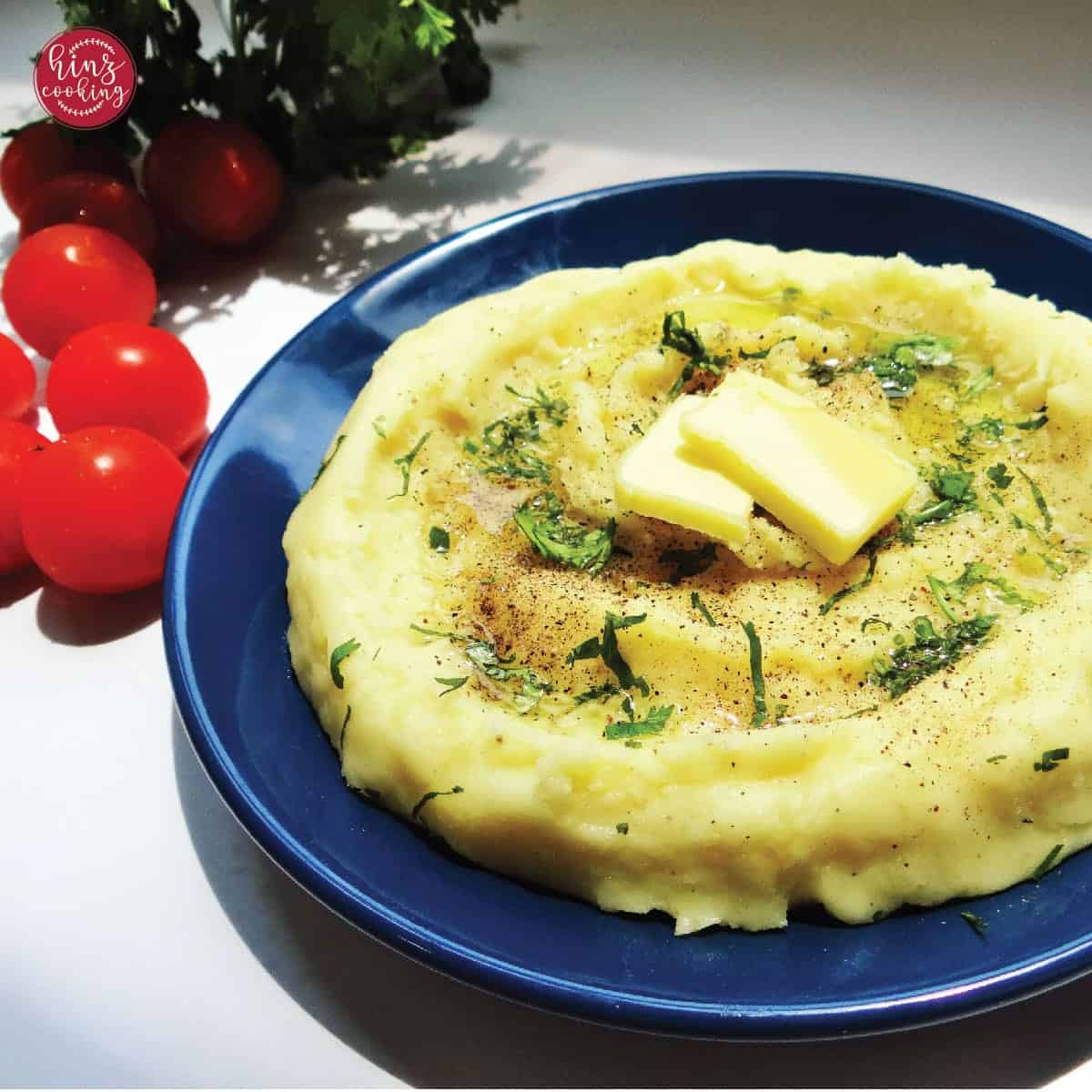
Here are simple and easy ways to reheat mashed potatoes in 5 ways. You can reheat in oven, microwave, air fryer, instant pot and stovetop and it will turn to smooth and creamy texture like freshly cooked mashed potatoes. Many time tested and perfected in my kitchen.
Jump to:
- Why Mashed Potatoes Go Dry When Reheated
- What You Need To Reheat Mashed Potatoes
- WHICH METHOD IS BEST? — QUICK COMPARISON
- Method 1 — Stovetop (BEST OVERALL RESULT)
- Method 2 — Oven (Best For Large Batches)
- Method 3 — Microwave (Fastest Method)
- Method 4 — Air Fryer (For A Different Result)
- Method 5 — Slow Cooker (Best For Keeping Warm At Gatherings)
- Pro Tips From Testing
- How To Store Leftover Mashed Potatoes
- What To Do With Leftover Mashed Potatoes
- Related Recipes
- Frequently Asked Questions
- You Might Like This
- How to Reheat Mashed Potatoes (5 Tested Methods)
The first time I made mashed potatoes for a large family gathering, I made them three hours too early. By the time dinner was ready, they had gone cold, stiff, and slightly gluey — exactly the texture that makes leftover mashed potatoes so unappetizing.
What I learned that day is that reheating mashed potatoes correctly is not complicated — it just requires understanding why they go wrong in the first place. Mashed potatoes contain starch that firms up as it cools. The fat and moisture that made them creamy redistributes unevenly. Reheating without adding moisture back produces the dry, sticky result most people are trying to avoid.
I have tested all five methods in this post across multiple batches — including a batch made three days ahead and refrigerated, and a batch frozen and thawed. Here is exactly what works, what doesn't, and which method to choose depending on how much time you have.
Why Mashed Potatoes Go Dry When Reheated
When mashed potatoes cool, two things happen simultaneously. The starch molecules in the potato — called amylose and amylopectin — begin to recrystallise into a firmer structure (a process called retrogradation). At the same time, the fat from the butter and dairy begins to separate slightly from the starch. The result is a stiff, slightly watery, uneven texture that looks and tastes nothing like freshly made mashed potatoes.
The fix is simple: add moisture and fat back before reheating, and reheat gently. Every method in this guide follows this principle. The liquid rehydrates the starch. The fat restores the creaminess. The gentle heat ensures even warming without the starch over-cooking and turning gluey.
What You Need To Reheat Mashed Potatoes
No matter which method you use, these are the additions that restore creaminess:
Milk or cream (recommended): The most effective liquid for restoring texture. Milk adds moisture without diluting flavor. Cream adds richness and produces a more luxurious result. Use warm or room temperature — never cold, which slows reheating and distributes unevenly.
Butter: Restores the fat that has separated during cooling. Add a small knob per serving and let it melt through the potatoes as they warm.
Vegetable or chicken stock: A lighter alternative to dairy if you want to reduce calories. Adds subtle savory flavor. Use sparingly — too much makes the potatoes taste thin.
Sour cream: A tablespoon stirred through at the end of reheating adds tanginess and creaminess simultaneously. Works particularly well in the stovetop and microwave methods.
What NOT to use: Water. It dilutes the flavor and makes the texture watery without improving creaminess. Always use milk, cream, or stock.
WHICH METHOD IS BEST? — QUICK COMPARISON
| Method | Time | Best for | Result |
|---|---|---|---|
| Stovetop | 5–7 min | Any quantity, most control | ⭐⭐⭐⭐⭐ Best overall |
| Oven | 25–30 min | Large batch, gatherings | ⭐⭐⭐⭐⭐ Best for crowds |
| Microwave | 2–3 min | Single serving, speed | ⭐⭐⭐ Good if done correctly |
| Air fryer | 10–12 min | Small batch, slightly crispy edges | ⭐⭐⭐⭐ Good for variety |
| Slow cooker | 1–2 hours | Make-ahead, party hosting | ⭐⭐⭐⭐ Best for keeping warm |
My recommendation: Stovetop for everyday reheating. Oven for a family gathering. Microwave if you need it ready in 3 minutes and don't mind slightly less creamy results.
Method 1 — Stovetop (BEST OVERALL RESULT)
Time: 5–7 minutes | Serves: Any quantity | Equipment: Saucepan or skillet
This is the method my mother always used, and it produces the most reliably creamy result. The constant stirring and controlled heat give you the most control over final texture.
Step by step:
- Take the mashed potatoes out of the refrigerator 15–20 minutes before reheating. Bringing them closer to room temperature means you need less heat to warm them through — which reduces the risk of overcooking.
- In a saucepan, warm ¼ cup of milk per 2 cups of mashed potatoes over medium-low heat. Heat until the milk is hot to the touch but not boiling — approximately 60–70°C.
- Add the cold mashed potatoes to the warm milk. Add a small knob of butter (approximately 1 teaspoon per 2 cups).
- Stir constantly with a wooden spoon or silicone spatula, working from the outside edges inward. The constant motion is important — mashed potatoes stick to the bottom of the pan quickly. Do not walk away.
- As the potatoes warm through and absorb the milk (3–5 minutes), they will return to a smooth, creamy consistency. Taste and adjust salt and pepper. Add more milk if the texture is thicker than you want.
- Remove from heat when steaming and fully warmed through. Finish with a drizzle of olive oil and a sprinkle of fresh parsley or chives.
From my testing: the stovetop method works best with a wide, shallow pan rather than a deep saucepan. More surface area means more even heating and less risk of the bottom sticking before the rest warms through.
Method 2 — Oven (Best For Large Batches)
Time: 25–30 minutes | Serves: 4–8 | Equipment: Baking dish + aluminum foil
The oven method is the right choice when reheating for a large gathering where stovetop would require too many batches. It requires more time but almost no active attention once it is in.
Step by step:
- Preheat oven to 180°C / 350°F.
- Transfer the cold mashed potatoes to an oven-safe baking dish. Add ¼ cup warm milk per 2 cups of potatoes and 1 tablespoon of butter cut into small pieces over the top. Stir gently to start combining.
- Cover the baking dish tightly with aluminum foil. The foil traps steam inside the dish — this steam is what rehydrates the potato starch and prevents the surface from drying out.
- Bake at 180°C for 20 minutes covered. Remove foil, stir well to distribute the melted butter and milk evenly, and return uncovered for 5–10 more minutes until the top is lightly golden and the potatoes are piping hot.
- Optional cheese topping: Before removing the foil at 20 minutes, scatter 50g of shredded mozzarella or cheddar over the top. Return uncovered and broil for 4–5 minutes until the cheese is golden and bubbling. This turns reheated mashed potatoes into a different dish entirely — one worth making specifically for guests.
- Remove from oven, stir, taste, adjust seasoning, and serve immediately.
Internal temperature check: use a kitchen thermometer if available. The center of the dish should reach at least 74°C / 165°F for food safety. At 180°C oven temperature, 25–30 minutes achieves this reliably for a 2-cup batch.
Method 3 — Microwave (Fastest Method)
Time: 2–4 minutes | Serves: 1–2 | Equipment: Microwave-safe bowl + damp paper towel
The microwave is the fastest method but the least forgiving. The key to avoiding the rubbery, uneven texture that microwaved mashed potatoes are known for is low power and a damp covering.
Step by step:
- Place the cold mashed potatoes in a microwave-safe bowl. Add 2 tablespoons of warm milk and 1 teaspoon of butter per cup of potatoes. Stir to start combining.
- Cover the bowl with a damp paper towel — not plastic wrap, which can warp from the steam. The damp towel creates a moist environment inside the bowl that prevents the surface from drying out.
- Microwave on medium power (50–60%) — not full power. Full power heats unevenly, cooking the outside while the center stays cold.
- Microwave for 1 minute. Remove, stir from the outside edges inward (the edges heat first). Return and microwave for 30 seconds more. Stir again. Continue in 30-second increments until fully hot throughout.
- Taste, adjust salt, stir in sour cream if using, and serve immediately.
Why medium power matters: at full power, the water molecules in the potato heat so quickly that steam forms faster than it can escape — this is what creates the rubbery, sticky texture. Medium power heats more slowly and evenly, giving the moisture time to distribute properly.
Method 4 — Air Fryer (For A Different Result)
Time: 10–12 minutes | Serves: 2–3 | Equipment: Air fryer + oven-safe dish or ramekins
The air fryer produces a different result from the other methods — the interior stays creamy while the edges and top develop a very light golden crust. If you want reheated mashed potatoes with textural contrast rather than purely uniform creaminess, this is the method.
Step by step:
- Preheat air fryer to 180°C / 360°F for 3 minutes.
- Transfer the cold mashed potatoes to an oven-safe dish that fits inside your air fryer basket — a small ramekin or small cake tin works well. Add 2 tablespoons of warm milk and a teaspoon of butter per cup of potatoes. Mix gently.
- Cover the top with a small piece of aluminum foil — this traps moisture for the first half of cooking.
- Air fry at 180°C for 7 minutes covered. Remove the foil, stir the potatoes well, and air fry uncovered for a further 3–5 minutes until the top is lightly golden and the potatoes are fully heated through.
- For a cheese-topped version: add shredded cheese after removing the foil and air fry until melted and golden — approximately 3 minutes.
Note: the air fryer method works best for 1–2 cup quantities. Larger batches heat unevenly because air fryers rely on circulating hot air that does not penetrate through a thick, dense mass like a large bowl of mashed potatoes.
Method 5 — Slow Cooker (Best For Keeping Warm At Gatherings)
Time: 1–2 hours | Serves: Any quantity | Equipment: Slow cooker / crockpot
The slow cooker is not the fastest method — but it is the best method when you need mashed potatoes ready and warm for a gathering without constant monitoring. You can place them in the slow cooker 1–2 hours before guests arrive and they will be perfectly warm and creamy when needed.
Step by step:
- Transfer the cold mashed potatoes to the slow cooker. Add ¼ cup warm milk and 1 tablespoon of butter per 2 cups of potatoes.
- Set to LOW heat. Cover with the lid.
- Stir every 30 minutes, adding a splash of warm milk if the texture is thickening too much.
- After 1–1.5 hours on LOW, the potatoes will be fully heated through and creamy. Switch to KEEP WARM setting until serving — they will hold well for up to 2 more hours without quality loss.
This is the method Tea for Turmeric uses for large holiday gatherings — it frees the stovetop and oven for other dishes during the critical final hour before serving.
Pro Tips From Testing
Room temperature first — always. Cold mashed potatoes straight from the fridge take twice as long to heat through, which means more time at high heat and more risk of the starch overcooking. 15 minutes on the counter before reheating makes a significant difference.
Warm your milk before adding. Cold milk added to hot potatoes creates uneven temperature distribution — some parts of the potato heat while others stay cold. Warm milk integrates immediately and evenly.
Stir from the edges inward. In every stovetop and microwave method, the outside heats first. Stirring from the outside edges inward moves the hotter potato to the centre and the cooler centre to the edges — this is how you get even warming without cold pockets.
Make it slightly looser than you want. Reheated mashed potatoes thicken as they cool on the plate. If you want the right consistency when served, the potatoes should be very slightly looser than perfect when they come off the heat.
Sour cream at the very end. If you want to add sour cream, add it after removing from heat — stirring sour cream into hot potatoes on the stove can cause it to separate. Stir through off the heat and the result is silky smooth.
Cheese fixes almost everything. If your reheated mashed potatoes come out with a slightly unpleasant texture despite your best efforts, 2 tablespoons of shredded cheddar or Parmesan stirred through while still hot will mask the texture and add enough richness that nobody notices.
How To Store Leftover Mashed Potatoes
Refrigerator: Transfer to an airtight container while still slightly warm — not hot. Fully hot food in a sealed container creates condensation that makes the potatoes watery. Allow to cool for 10–15 minutes, then seal and refrigerate. Keeps for 3–4 days.
Freezer: Mashed potatoes freeze well when made with butter and cream rather than just milk. Spoon into freezer-safe bags in portion sizes (1–2 cup portions). Flatten the bags so they stack efficiently and thaw faster. Freeze for up to 1 month. Do not freeze potatoes that smell or look off.
Thawing frozen mashed potatoes: Thaw overnight in the refrigerator — never at room temperature for more than 2 hours. After thawing, the texture will look separated and watery. This is normal — stir vigorously and reheat using the stovetop method with additional warm milk and butter. The texture recovers almost completely.
Food safety: Mashed potatoes with dairy should not sit at room temperature for more than 2 hours. If your potatoes have been left out longer than this, discard them regardless of smell — bacterial growth in dairy-based foods can occur without visible or olfactory signs.
What To Do With Leftover Mashed Potatoes
If you have too much to reheat and eat, leftover mashed potatoes are genuinely useful in several applications:
As a soup thickener: Stir 2–3 tablespoons into any vegetable or chicken soup that needs body. Dissolves completely and adds a creamy texture without cream.
Stuffed potato cakes: Form cold mashed potatoes into flat patties, coat in breadcrumbs, and pan-fry in butter until golden on each side. Serve with sour cream. 10 minutes total.
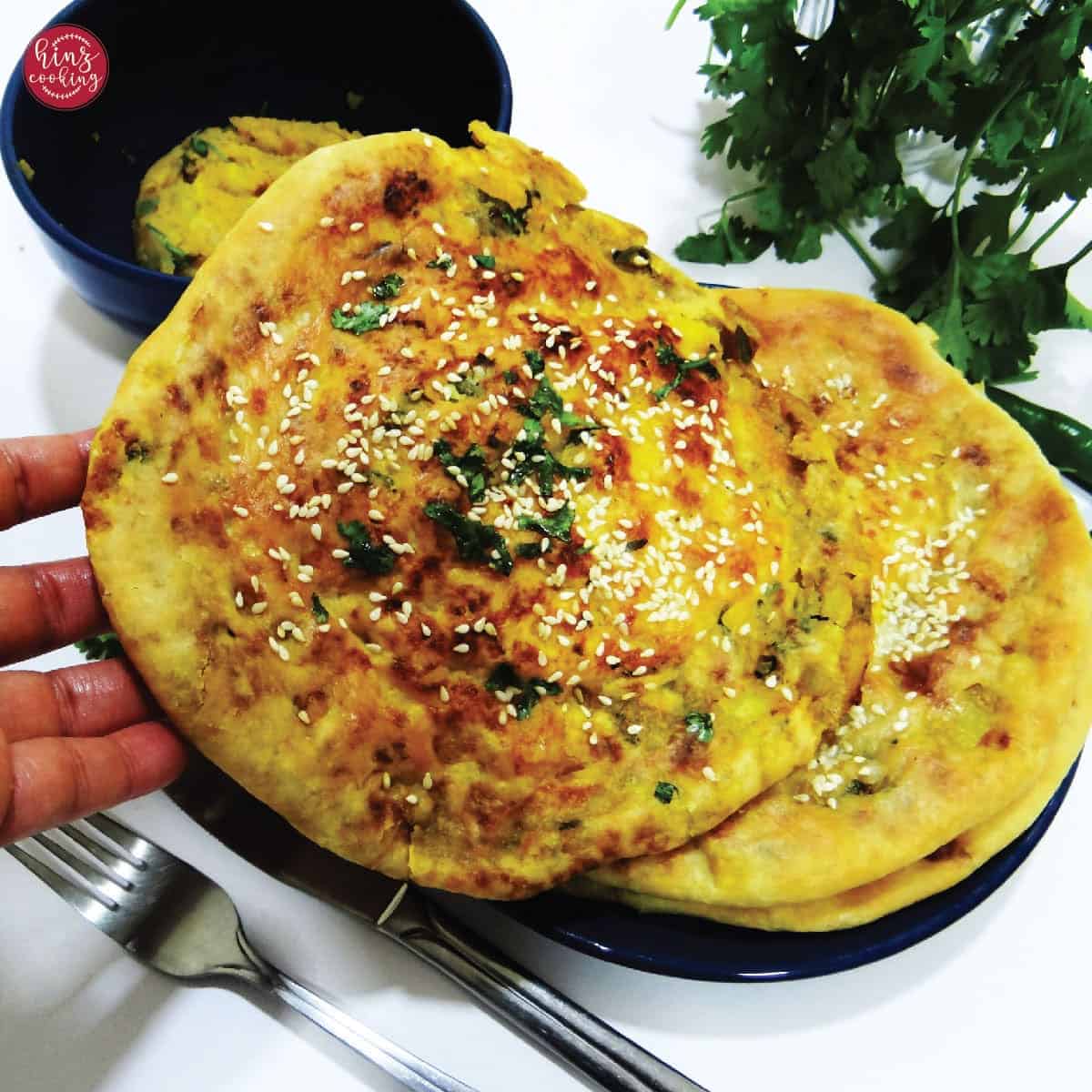
Mashed potato flatbread: Combine 1 cup cold mashed potato with ¾ cup flour and a pinch of salt. Knead briefly, roll thin, and cook in a dry pan like a flatbread. Similar in principle to Aloo Naan.
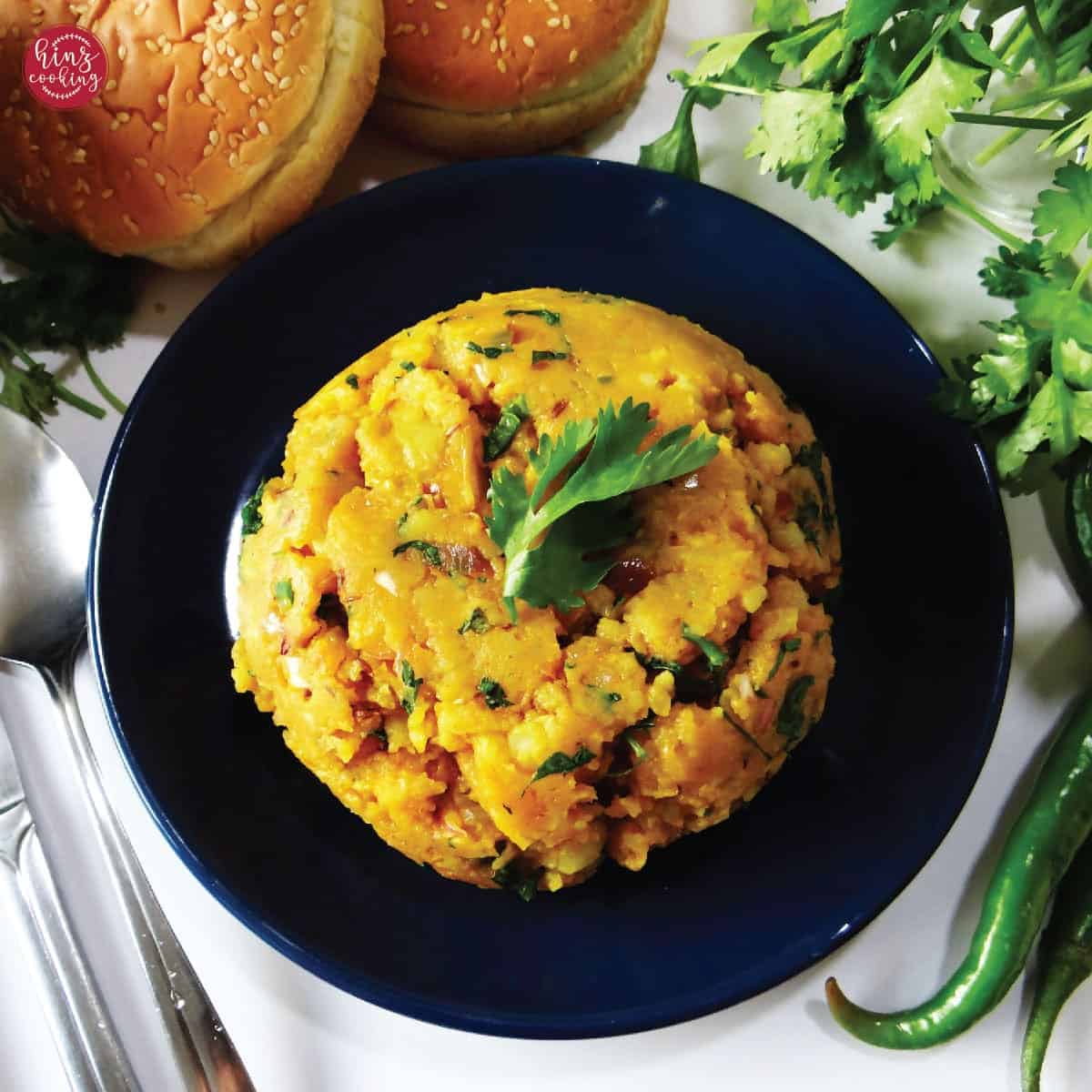
Filling for pastry: Use as a filling for puff pastry parcels or samosa-style wrappers with added spices — cumin, coriander, chili. See the Aloo Bharta recipe for spice inspiration.
Cottage pie or shepherd's pie topping: The classic use — spread over a meat and vegetable filling and bake until golden.
Related Recipes
- Creamy Garlic Mashed Potatoes — the base recipe; make this and you'll want leftovers to reheat
- Air Fryer Roast Potatoes — when you want crispy rather than creamy potatoes
- Potato Gratin Without Cream (Dauphinoise) — the layered French alternative
- Aloo Naan — uses leftover mashed potato as filling
- Aloo Bharta — spiced South Asian mashed potato; a completely different take
- Potato Smiley Faces — best for kids
- Potato Cutlet — Perfect as party snack
Frequently Asked Questions
The stovetop method produces the best overall result — warm milk and butter are stirred through the cold potatoes over medium-low heat for 5–7 minutes. The constant stirring and ability to add milk gradually gives you the most control over texture. For large batches, the oven (covered with foil at 180°C for 25 minutes) is more practical.
Two causes produce gluey reheated potatoes: overcooking and no added moisture. Reheat on low to medium heat only — never high. Add warm milk or cream before heating, not after. Stir constantly on the stovetop. In the microwave, use 50% power in 30-second increments rather than full power for 2 minutes.
Yes — but use medium power (50–60%), cover with a damp paper towel (not plastic wrap), and reheat in 30-second increments, stirring between each. Full power microwaving produces rubbery, unevenly heated potatoes. Adding warm milk and butter before microwaving is essential.
3–4 days in an airtight container when made with dairy (butter, milk, cream). Discard if they smell off or show excessive liquid pooling that cannot be stirred back in.
Yes — freeze in 1–2 cup portions in flat freezer bags for up to 1 month. Thaw overnight in the refrigerator. After thawing, the texture will look separated — reheat on the stovetop with extra warm milk and butter, stirring vigorously. The texture recovers well.
Reheating dilutes salt perception slightly — the potatoes need re-seasoning after every reheating. Taste and add salt and pepper after reheating, not before. A tablespoon of sour cream, a pinch of garlic powder, or a small knob of cold butter stirred in at the end (called mounting with butter — a restaurant technique) all restore flavor quickly.
Yes — as long as they have been refrigerated within 2 hours of initial cooking and are reheated to an internal temperature of at least 74°C / 165°F. Do not reheat more than once. Do not use potatoes that have been at room temperature for more than 2 hours.
Yes — using the Sauté function only. Add milk and butter to the pot, set to Sauté, add the cold mashed potatoes, and stir for 3–4 minutes until fully hot. Do not use the Pressure Cook function — the pressure and steam will make the potatoes watery and overcooked in texture.
Three steps: add warm (not cold) milk, add fresh butter, and re-season with salt and pepper after reheating. If you want to go further — a tablespoon of sour cream, a sprinkle of fresh chives, and a drizzle of olive oil transforms reheated potatoes into something that genuinely tastes freshly made.
You Might Like This
🥣 How do you reheat mashed potatoes?
⭐ Rate this recipe below
💬 Drop your questions in the comments
📲 Follow along on Instagram for more recipes.
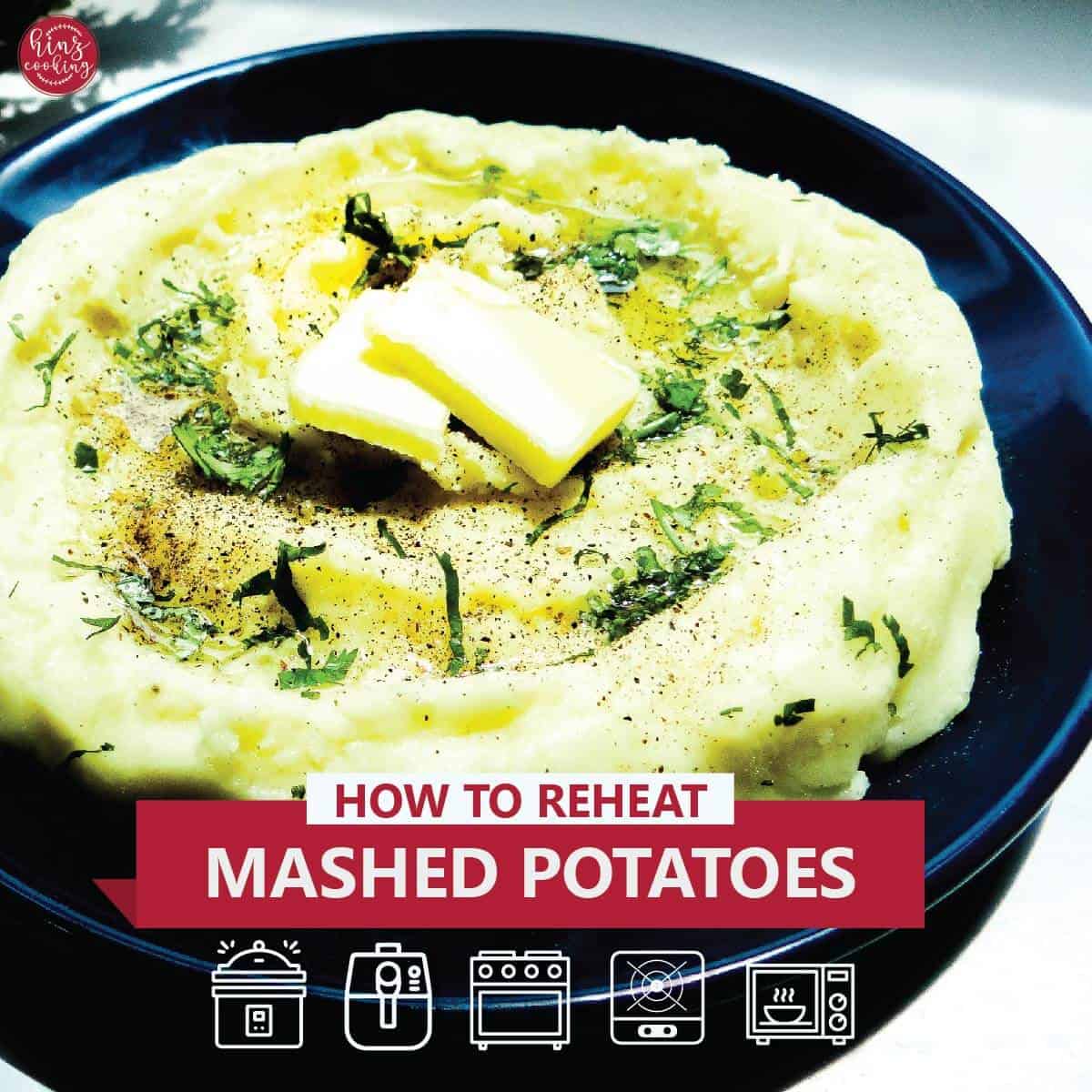
How to Reheat Mashed Potatoes (5 Tested Methods)
Ingredients
- 2 cups Mashed Potatoes Cold, Frozen, Leftover
- ⅓ cup Warmed Milk Substitute broth or cream
- 1 pinch Salt to taste after reheating
- 1 pinch Black Pepper Powder to taste
- 2 teaspoon Butter
- 1 tablespoon Fresh Chives or Parsley Finely chopped (optional garnish)
Instructions
How to Reheat on Stove (Recommended For Creamy Texture)
- In a slow-heating pan, add ⅓ cup milk and let it boil for a few seconds then add cold or leftover mashed potatoes in it.
- After adding potatoes, whisk it vigorously as it may stick to the bottom of the pan even if you use nonstick. As the potatoes start to mix well with milk and show a creamy texture adjust the taste with salt and pepper. As it starts to dry out, sprinkle fresh parsley/chives and serve with a drizzle of butter or melted butter cubes.
Reheat in Oven (best for large batches)
- Preheat the oven to 180°C and in a baking dish add a big cube of butter and keep it in the oven for 5 minutes to melt.
- Then add warm milk in mashed potatoes. Season with salt and peppers and give it a good mix. Add the potatoes to the baking dish and give it a good fold with butter.
- Reheat at 220˚C for 30 minutes. Cover the dish with Aluminum foil to make it creamy and smooth in texture.
- After 30 minutes, take it out and sprinkle it with freshly chopped parsley or chives.
Reheat in Microwave (Fastest)
- Simple and easy method that everyone wants to adopt. Combine butter, milk, and mashed potatoes (room temperature) in a microwave dish and set the timer for 2 minutes.
- Take out and mix well with a spoon. Again set the timer to 1 minute and take it out sprinkle parsley and serve.
Reheat in Instant Pot (best for gatherings)
- It's simple, just add butter and milk in an instant pot and saute for a minute then add mashed potatoes.
- Season with salt and peppers and reheat on a pressure cook for 2 minutes. It will come out with a hot, creamy, and smooth texture like fresh mashed potatoes.
Reheat in Air Fryer (crispy edges):
- Preheat the Air Fryer at 200°C
- In a bowl, add melted butter, warm milk and mashed potatoes and give it a good mix and shift into Air fryer pan.
- Place the pan in preheated air fryer basket and air fry for 15 to 20 minutes.
Notes
- The golden rules for creamy reheated potatoes: Always use warm milk — never cold. Cold milk distributes unevenly and slows heating. Add butter — it restores the fat that separated during cooling. Reheat gently — high heat overcooks the starch and turns potatoes gluey. Re-season after reheating — salt perception dulls slightly when reheating. Stir sour cream in OFF the heat — stirring into hot potatoes on the stove causes it to separate.
- Food safety: Reheat to at least 74°C / 165°F internal temperature. Do not reheat more than once. Discard any mashed potatoes left at room temperature for more than 2 hours.
- Storage: Refrigerator — airtight container, 3–4 days. Freezer — 1-cup portions in flat freezer bags, up to 1 month. Thaw overnight in refrigerator before reheating.

Hinz
Here are some simple, easy and proven ways to reheat mashed potatoes. I'll be happy if you share, which one is convenient for you.