
In Pakistani home kitchens, the tikka masala spice mix is never bought from a shelf — it is made from scratch, roasted until the whole spices bloom with fragrance, and ground fine enough to penetrate a marination in under an hour.
I grew up watching my mother make it this way. No measuring cups, no recipe card — just the right handful of each spice, roasted on a low flame until the kitchen smelled like something important was happening. The blend she made produced tikka that no restaurant version has ever matched for me. When I moved to Dubai, I started measuring her proportions carefully until I had a recipe that works consistently every time.
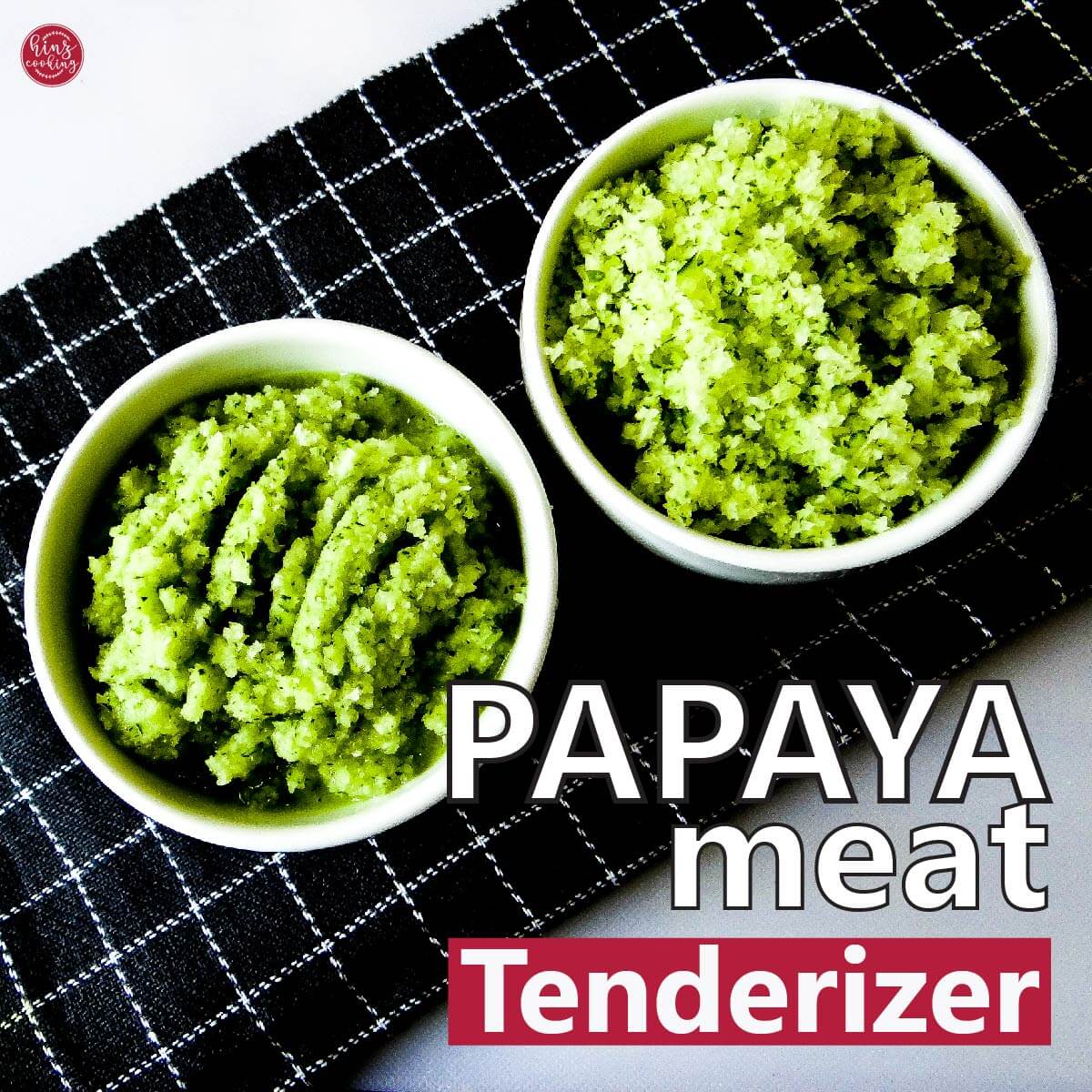
The detail that most store-bought blends and many homemade versions skip is dried papaya powder. It is a natural tenderizer that has been used in Pakistani and South Asian cooking for generations — a small amount in the marinade breaks down the protein fibers in the meat so that tikka cooked in a home oven or air fryer comes out with the tender, juicy texture that usually only a commercial tandoor produces. This is the blend I use. It takes 15 minutes to make and keeps for 6 months.
Jump to:
- What is Tikka Masala Spice Mix?
- Tikka Masala Vs Garam Masala Vs Curry Powder
- What Each Spice Does — The Full Explanation
- How To Make Tikka Masala Spice Mix
- How To Use Tikka Masala Spice Mix
- Flavor Profile — What To Expect
- How To Store
- Substitute And Variations
- Pro Tips
- Recipe Ideas Using This Spice Mix
- Explore More Spice Blends
- Frequently Asked Questions
- You Might Like This
- Homemade Tikka Masala Spice Mix — Pakistani Style
What is Tikka Masala Spice Mix?
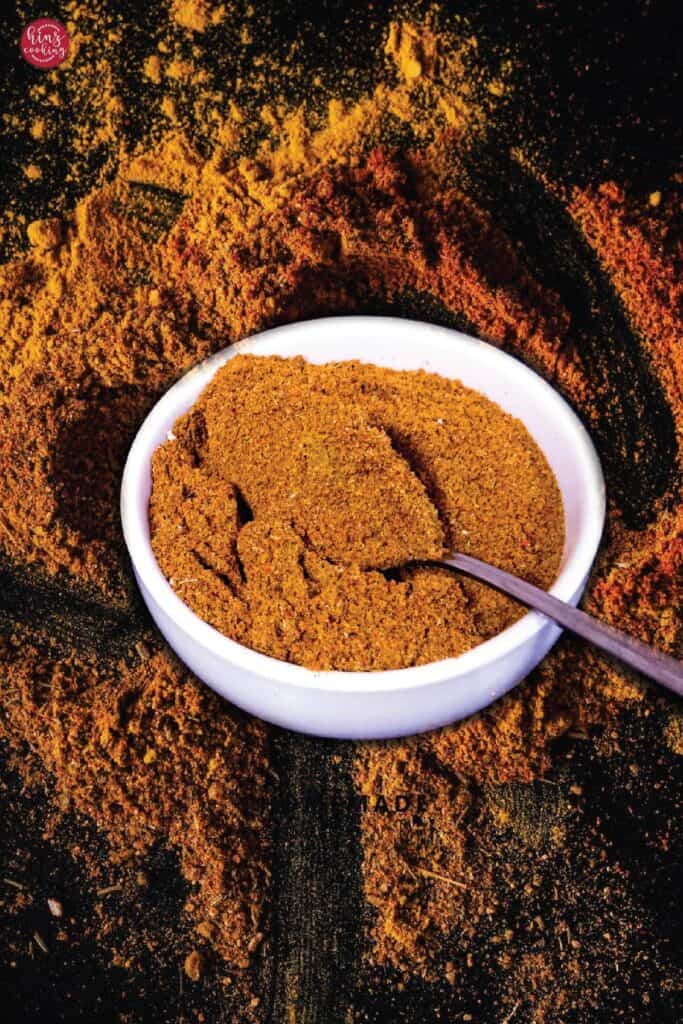
Tikka masala spice mix is a South Asian dry spice blend made by dry-roasting whole spices — cumin, coriander, cardamom, cinnamon, cloves, fennel, and star aniseed — then grinding them fine and combining with ground seasonings including chili powder, turmeric, ginger, garlic, mango powder, and dried papaya powder. It is used primarily as a marinade base for chicken, lamb, paneer, or tofu, and as a flavoring for tikka masala curry sauce. Homemade versions are significantly more aromatic than store-bought blends, which often contain anti-caking agents and artificial flavor enhancers.
Why homemade tikka masala is different from store-bought
Three reasons the homemade version consistently produces better results:
1. Freshness of the whole spices. Whole spices retain their essential oils far longer than pre-ground powder. When you dry-roast whole cumin and coriander at home and grind them immediately, the volatile aromatic compounds are fully intact. In a commercial spice blend that was ground months or years before, many of these compounds have already evaporated.
2. No fillers or anti-caking agents. Commercial blends frequently contain rice flour, silicon dioxide, or other agents to prevent clumping. These dilute the spice concentration and affect the flavor of the marinade.
3. Control over heat level. The ratio of red chili to paprika determines both the heat and the color of your tikka. At home you control this precisely — more paprika for deep color and mild heat, more chili for heat without affecting color.
Tikka Masala Vs Garam Masala Vs Curry Powder
These three blends are frequently confused. Here is the clear difference:
| Tikka Masala Mix | Garam Masala | Curry Powder | |
|---|---|---|---|
| Primary use | Tikka marinade & curry | Finishing spice | General curry base |
| Contains chili | Yes | No | Yes |
| Contains turmeric | Yes | No | Yes |
| Roasted whole spices | Yes | Yes | Sometimes |
| Used in marinade | Yes — primary use | No | Occasionally |
| Heat level | Medium-hot | None | Mild-medium |
| Color | Deep red-orange | Brown | Yellow |
Important note: Garam masala is actually a component of tikka masala spice mix — the roasted whole spices you grind in this recipe form a garam masala base, to which the remaining seasoning spices are then added. You are making a complete, layered spice blend, not just garam masala.
What Each Spice Does — The Full Explanation
Understanding what each spice contributes is what separates a home cook who makes good tikka from one who makes great tikka. Each one has a specific role.
Cumin seeds (2 tsp) The earthy, warm backbone of the blend. More than any other spice, cumin defines what tikka masala tastes like. Too little and the blend tastes flat. Too much and it becomes bitter after long cooking. 2 teaspoons for this quantity is the correct ratio.
Whole coriander seeds (2 tbsp) The largest quantity in the blend — and deliberately so. Coriander provides a floral, slightly citrusy warmth that rounds out the cumin's earthiness and gives the overall blend its characteristic fragrance. When roasted properly, coriander seeds should smell of orange peel and warm spice.
Green cardamom (8 pods) Fragrance and brightness. Green cardamom lifts the whole blend and gives tikka its signature sweet, perfumed aroma. Use whole pods — the oils are inside. Grinding pre-shelled cardamom exposes them to air too early.
Black cardamom (5 pods) Smoky, resinous, and slightly camphorous. This is what gives tikka masala its depth and smokiness — the quality that makes people think it was cooked in a tandoor when it wasn't. Often missing from Western versions of the blend and from many store-bought mixes. Do not substitute green cardamom for it — they are completely different spices.
Cinnamon (3 inches) Sweetness and warmth. Cinnamon balances the heat from the chili powder in the seasoning stage, preventing the blend from tasting sharp or one-dimensional. Use a genuine cinnamon stick, not cassia bark — cassia is harder and more pungent.
Black peppercorns (1 tsp) Sharp, clean heat that works differently from chili. Chili heat is throat-forward and builds. Peppercorn heat is immediate, nose-forward, and fades quickly. Both are needed for a complete tikka masala heat profile.
Cloves (9 whole) Intense, slightly medicinal warmth. Cloves are powerful — 9 is already the maximum for this quantity of spice. Adding more produces a clove-forward blend that overwhelms the other spices.
Fennel seeds (½ tsp) Subtle anise sweetness. The smallest quantity in the roasted blend — only ½ teaspoon — because the flavor is pronounced and can overpower if overdone. Fennel adds a gentle sweetness that makes the blend more complex without being identifiable.
Star aniseed (2 whole) Deep licorice warmth and a subtle perfumed quality. Used in very small quantity. Star aniseed is the last note you taste in tikka and the first thing you smell when the blend is roasting.
Dried papaya powder (⅓ tsp) — the key ingredient This is the ingredient that separates this blend from every store-bought version and from most homemade recipes in Western food blogs. Raw papaya contains papain — a proteolytic enzyme that breaks down the protein fibers in meat. A small amount in the tikka marinade produces the tender, almost pull-apart texture that commercial tandoor cooking normally achieves through extreme heat.
How it works: When the spice mix is mixed into yogurt and applied to chicken, the papain in the papaya powder slowly breaks down the surface proteins of the meat during marination. After 1–2 hours of marinating, the chicken surface is partially pre-digested at a microscopic level — which means it cooks more evenly, browns faster, and stays juicy even in a home oven at standard temperatures.
Important: Use exactly ⅓ teaspoon — no more. Too much papaya powder will over-tenderize and make the meat surface mushy and unpleasant in texture. ⅓ teaspoon per this batch is the correct amount for up to 1kg of meat.
How To Make Tikka Masala Spice Mix
Prep time: 10 minutes | Cook time: 5 minutes | Total: 15 minutes | Makes: approximately 5 tablespoons (enough for 1–1.5 kg of meat)
Step 1 — Measure and inspect the whole spices
Before roasting, spread your whole spices on a plate and check for any debris or stones — particularly in the coriander seeds and peppercorns. Remove any obvious impurities.
Check that your black cardamom pods are dry and hard — soft, damp pods have degraded and will not give full flavor. Green cardamom pods should be plump and green, not pale or papery.
Step 2 — Dry roast the whole spices
Heat a heavy skillet or tawa on low heat. There should be no oil — this is a dry roast.
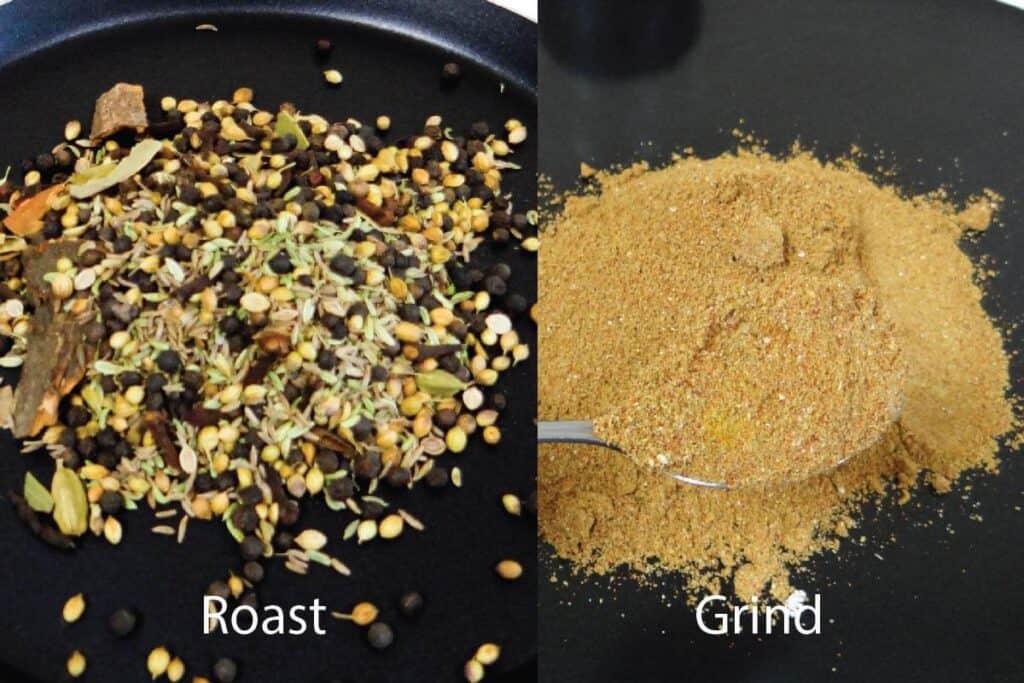
Add all the whole spices from the roasting list to the dry pan. Spread in a single layer. Roast on low heat only, stirring gently and constantly, for 4–5 minutes.
Watch for three signs that the spices are ready:
- The cumin and coriander seeds have darkened by one shade
- The kitchen smells deeply fragrant — warm, complex, slightly smoky
- A light wisp of smoke rises from the pan
The moment you see smoke, remove the pan from heat immediately. Over-roasted spices turn bitter and the blend will be unusable. If in doubt, pull them off the heat early — under-roasted is recoverable, over-roasted is not.
Transfer immediately to a plate or cold surface to stop the cooking. Never leave roasted spices in the hot pan — residual heat will continue cooking them.
Step 3 — Cool completely before grinding
Leave the roasted spices to cool for at least 5 minutes. Grinding warm spices in an electric grinder generates heat that destroys the aromatic oils — the same oils that make this blend better than store-bought.
While the spices cool, measure out all the ground seasoning spices into a small bowl.
Step 4 — Grind to a fine powder
Transfer the cooled whole spices to a spice grinder or high-powered blender. Grind in 10-second bursts rather than continuously — this prevents the grinder from generating too much heat.
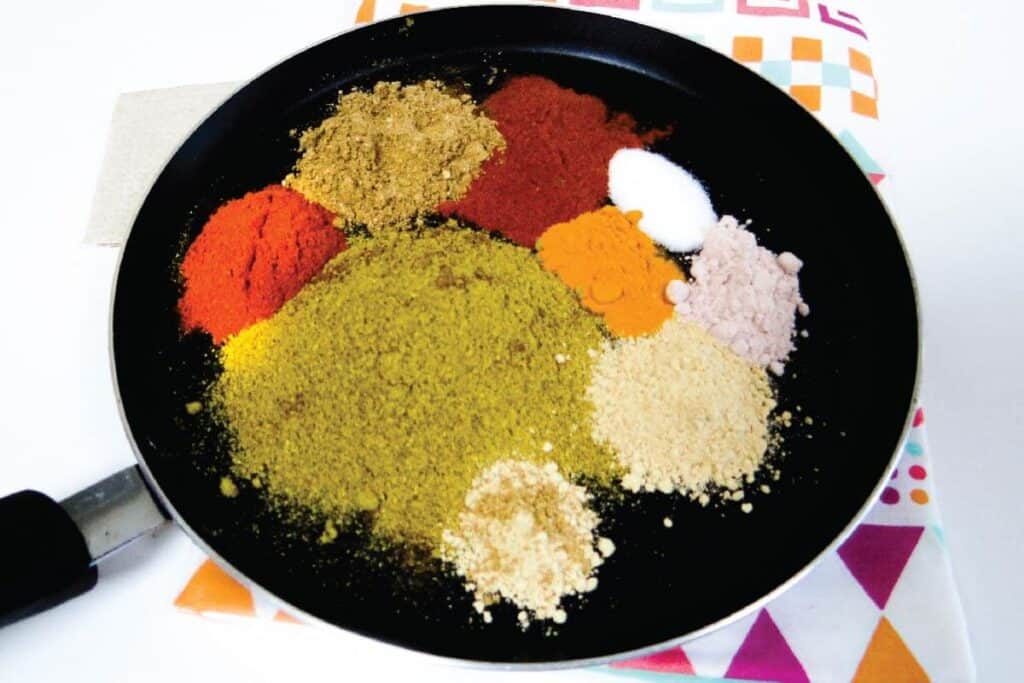
Grind until the powder is completely fine with no visible pieces remaining. Black cardamom pods are the most resistant — grind these last or break them open before grinding.
Sieve the ground spices through a fine mesh strainer if you want a very smooth, restaurant-quality powder. Discard any fibrous residue from the cardamom pods.
Step 5 — Combine and blend
Add the ground roasted spice powder to the bowl containing your measured seasoning spices. Mix thoroughly with a dry spoon until completely uniform — no visible streaks of individual spices.
Taste a tiny pinch. It should be warm, complex, slightly smoky, and mildly tangy from the mango powder. Adjust salt if needed.
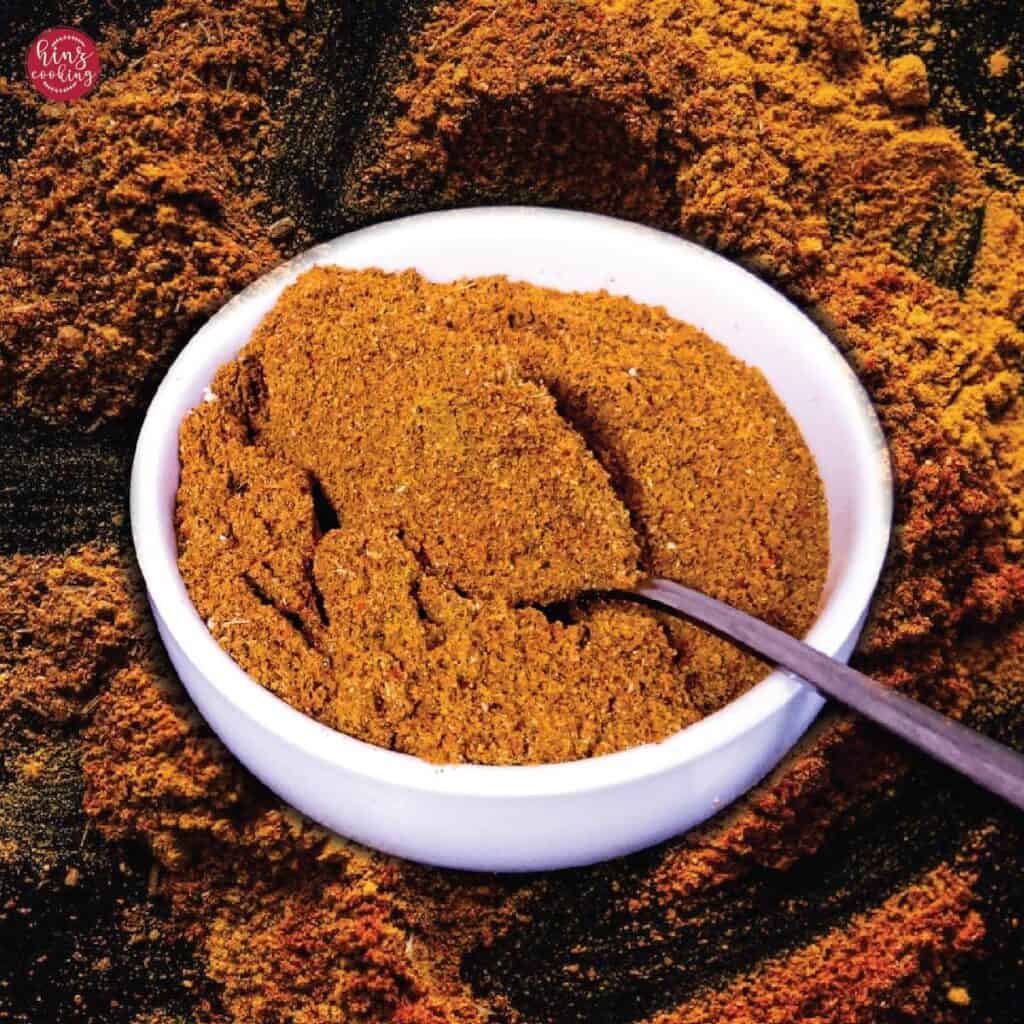
Transfer to a dry, airtight glass jar.
How To Use Tikka Masala Spice Mix
Basic tikka marinade
In a bowl combine:
- ½ cup full-fat plain yogurt
- 1.5 tablespoons tikka masala spice mix (for 500g chicken)
- 1 tablespoon oil
- 1 teaspoon fresh ginger-garlic paste
- Salt to taste
Mix well. Apply generously over chicken pieces — under the skin where possible, not just on the surface. Marinate for minimum 1 hour at room temperature, or overnight in the refrigerator for best results.
Yogurt is essential in the marinade — it acts as a carrier for the spices and helps them penetrate the meat. The lactic acid in yogurt also assists the papaya powder's tenderizing action.
Cooking methods after marinating
Oven: Bake at 220°C / 430°F for 25–30 minutes, turning once at the halfway mark. Air fryer: 200°C / 390°F for 18–22 minutes, turning once at 10 minutes. Stovetop grill pan: Medium-high heat, 4–5 minutes per side until charred. Outdoor grill / BBQ: High heat, 5–6 minutes per side.
Quantity guide
- Light tikka flavor: 1 tablespoon per 500g meat
- Standard flavor: 1.5 tablespoons per 500g meat
- Strong restaurant-style: 2 tablespoons per 500g meat
Use in tikka masala curry
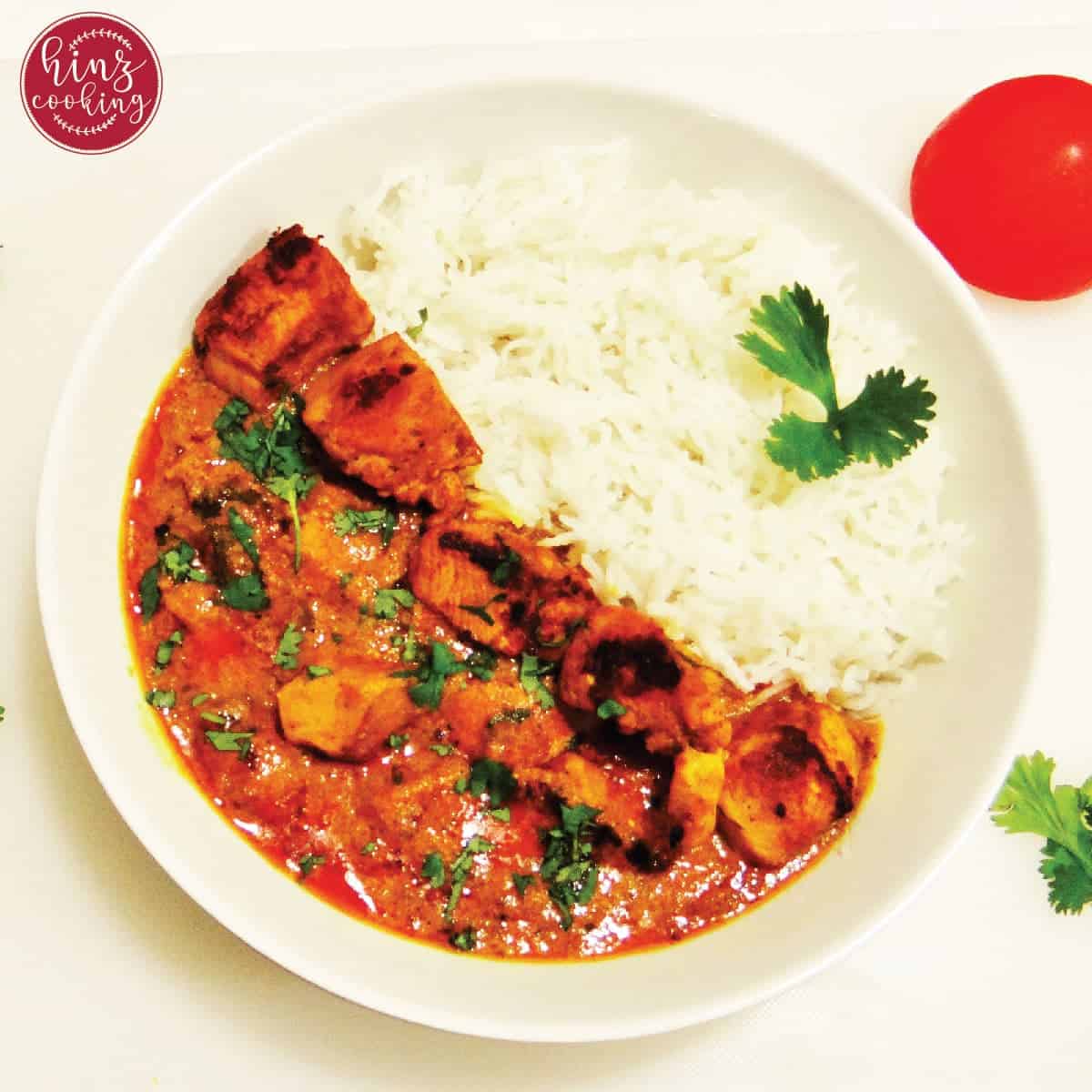
Add 1–2 tablespoons of the spice mix to your curry base when building the sauce. It adds complexity and authenticity that individual spice additions cannot match. See the full Chicken Tikka Masala Recipe for the complete method.
Flavor Profile — What To Expect
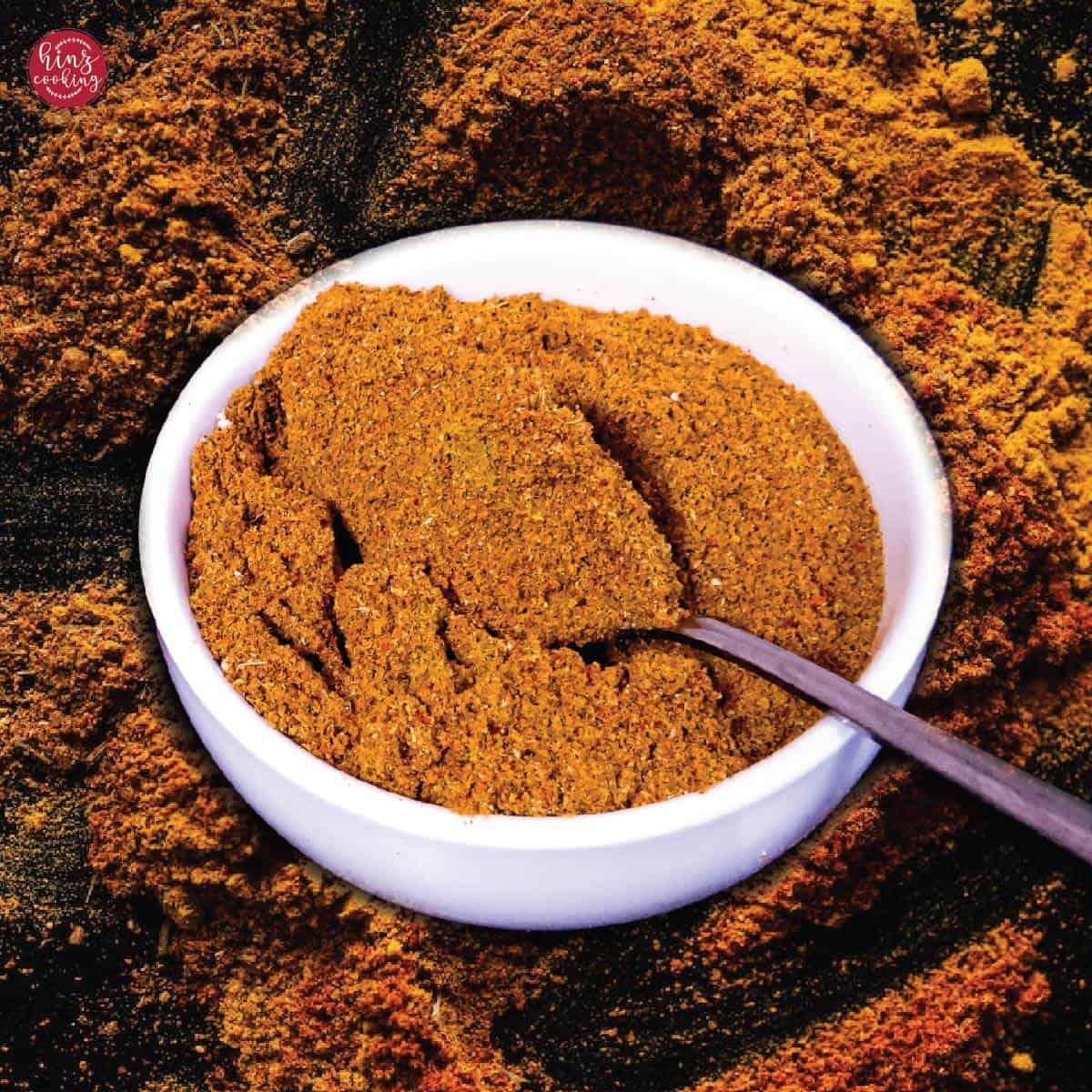
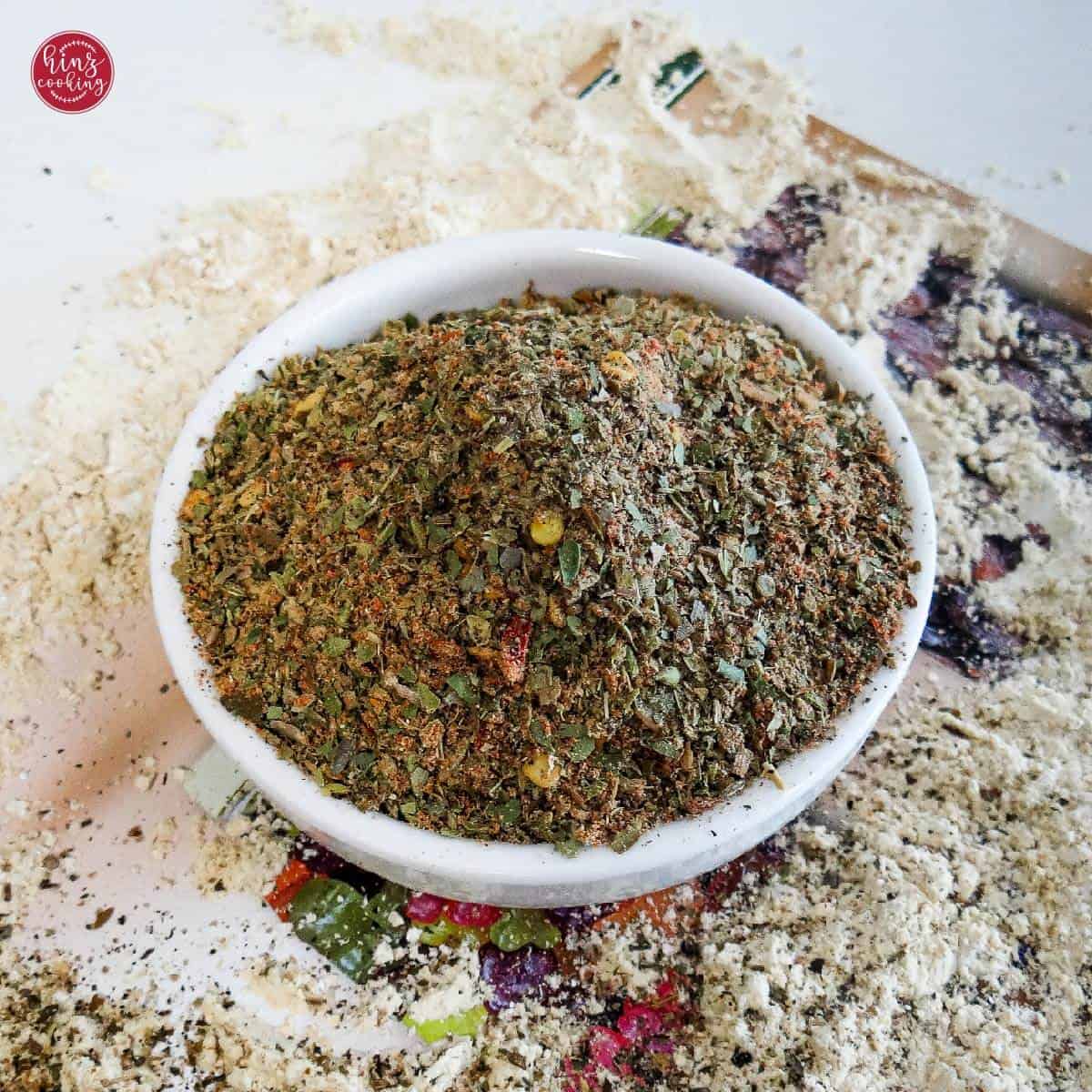
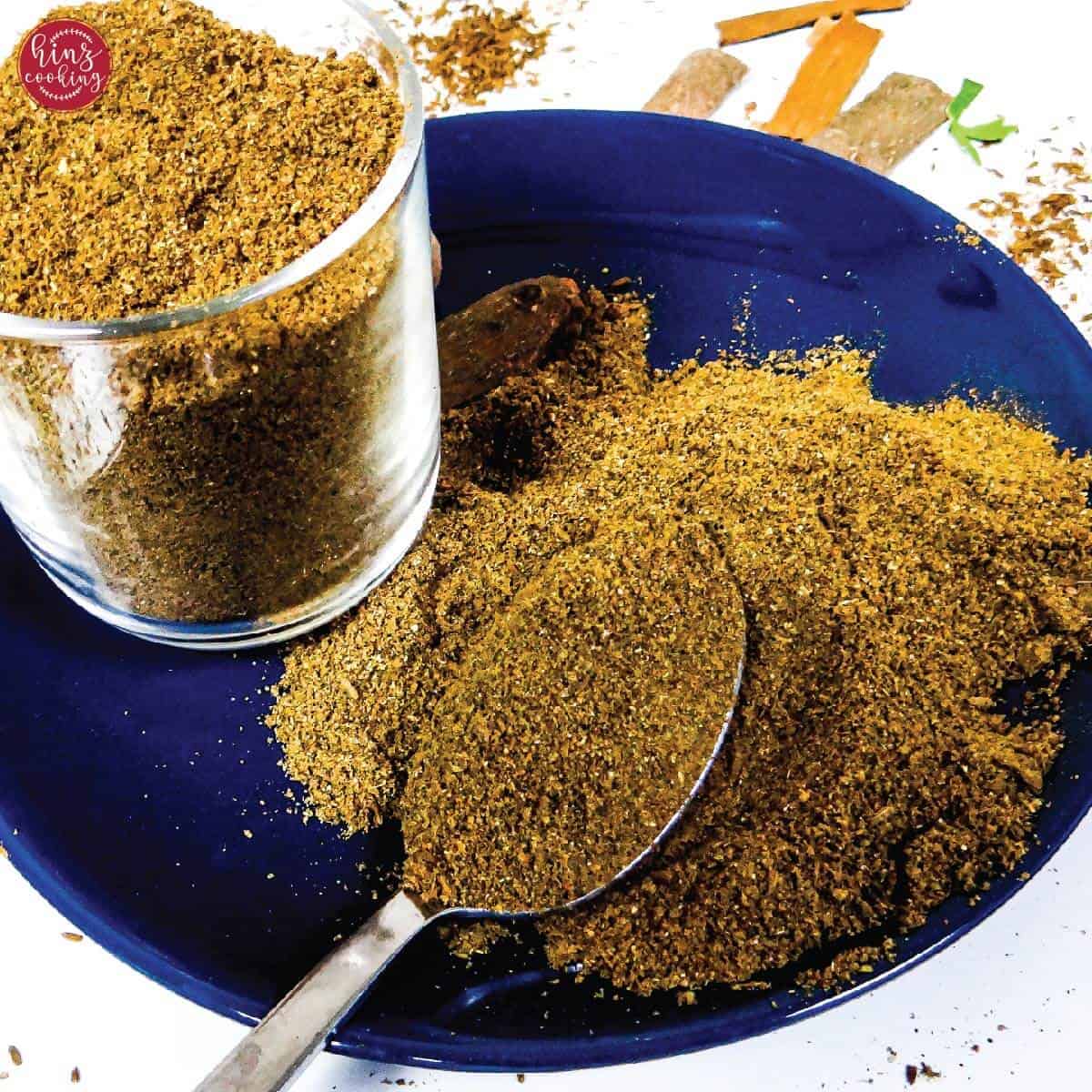
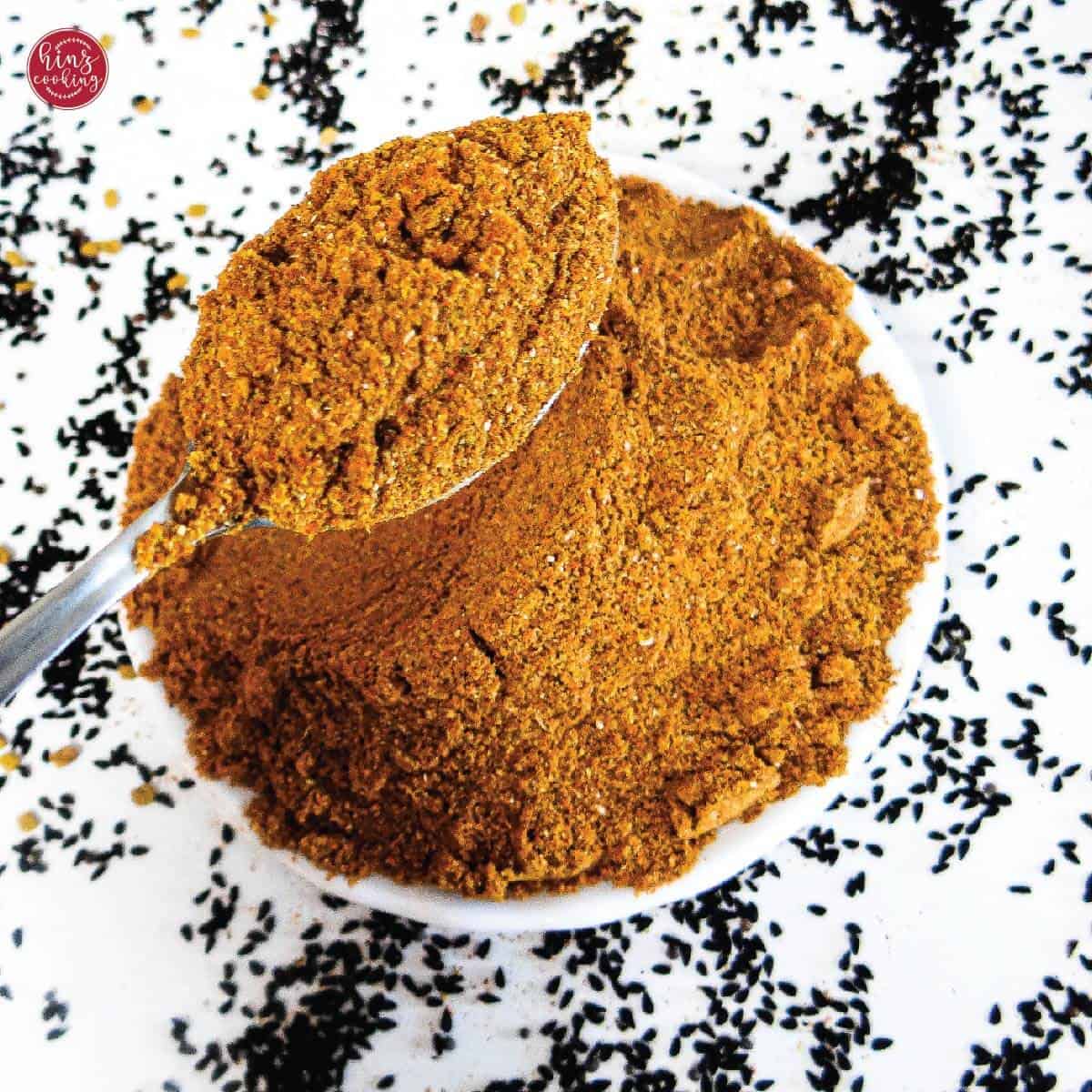
Color: Deep terracotta-red when dry. Turns a rich, warm orange-red in yogurt marinade.
Aroma: Warm, complex, slightly smoky with a floral cardamom top note. The star aniseed gives a subtle perfume that becomes more pronounced when heated.
Heat level: Medium. The combination of red chili and black pepper gives a layered heat — immediate from the pepper, building from the chili. To reduce heat: decrease red chili powder by half. To increase: add an extra ¼ teaspoon of red chili.
Taste notes in finished tikka: Earthy (cumin, coriander), smoky (black cardamom), slightly sweet (cinnamon, fennel), tangy (mango powder, yogurt reaction), and deeply savory.
How To Store
Room temperature: Store in an airtight glass jar in a cool, dark pantry for up to 3 months. Keep away from direct sunlight and heat sources.
Refrigerator: Refrigerated in an airtight jar, the blend keeps for up to 6 months. The cold slows oxidation of the aromatic oils.
Two rules that matter:
- Never use a wet spoon. A single drop of moisture introduced to the jar will cause clumping and mold within days. Keep a dedicated dry spoon near the jar.
- Never store near the stove. Heat and steam from cooking degrade the spices rapidly. Store in a cupboard away from the hob.
Checking freshness: Rub a small pinch between your fingers. A fresh blend smells immediately and intensely fragrant. If the aroma is faint or musty, it is past its peak — make a fresh batch.
Substitute And Variations
If you cannot find dried papaya powder
Substitute with raw papaya paste — blend a small piece of green (unripe) papaya to a smooth paste. Use ½ teaspoon of the fresh paste directly in the yogurt marinade rather than in the dry blend. Store any remaining paste in the refrigerator for up to 4 days, or freeze in ice cube trays.
Alternatively, kiwi paste (1 teaspoon in the marinade) provides similar tenderizing through a different enzyme (actinidin). The flavor impact is minimal.
If you skip the tenderizer entirely, increase marination time to overnight for comparable tenderness.
If you cannot find black cardamom
Black cardamom has no perfect substitute. In an emergency, use ½ teaspoon of smoked paprika to approximate the smokiness, plus 2 additional green cardamom pods for the warmth. The result is different but acceptable.
If you prefer a milder blend
Reduce red chili powder to ½ teaspoon and replace with an additional ½ teaspoon of sweet paprika. The color stays deep red. The heat drops significantly.
Wet paste version (for immediate use)
Blend the finished spice mix with 2 tablespoons of oil and 1 tablespoon of fresh garlic-ginger paste to form a thick tikka masala paste. Use immediately or refrigerate for up to 1 week. This paste works as a concentrated flavor base for curry sauce.
Pro Tips
- Roast on low heat without exception. High heat cooks the spices unevenly — the outer surface burns while the interior remains raw. Low heat allows even toasting throughout each seed and pod. Budget 5 minutes on low rather than 2 minutes on high.
- Break the black cardamom pods before grinding. Whole black cardamom pods resist the grinder blade. Open them with a mortar and pestle or the back of a knife before adding to the grinder — you will get a finer, more uniform powder.
- The smell test is your most reliable quality check. After roasting, the spices should smell intensely fragrant — warm, slightly sweet, with a trace of smoke. If they smell flat, you likely under roasted. If they smell bitter or acrid, you over roasted. Trust your nose more than the clock.
- Make a double batch. The effort involved in making tikka masala spice mix does not change significantly whether you make 5 tablespoons or 10. Make a double batch and store the second half — it costs the same time and gives you enough for 2–3 months of tikka cooking.
- Sieve for restaurant texture. If you want the ultra-fine texture of commercial tikka masala powder, pass the finished blend through a fine mesh tea strainer. The fibrous residue from cardamom pods and cinnamon that does not pass through is discarded. The resulting powder is smoother and more evenly distributed in the marinade.
Recipe Ideas Using This Spice Mix
- Chicken Tikka Masala Recipe (Pakistani Style) — the primary dish this blend is made for
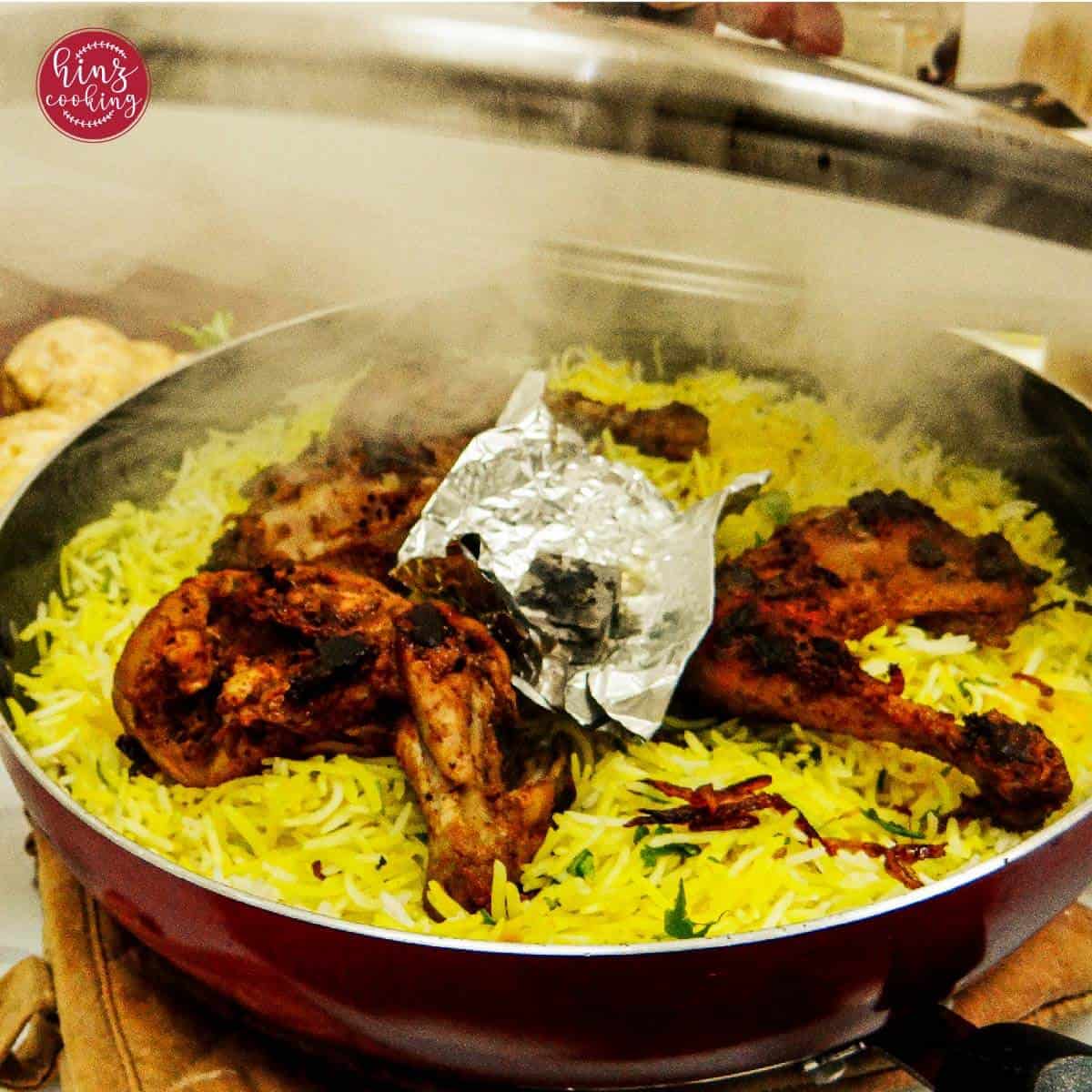
- Chicken Tikka Biryani — use the marinade for the tikka layer
- Pan Fried Chicken Tikka — stovetop version
- Tandoori Chicken in Oven — related marinade technique
- Chicken Tandoori Pizza — tikka marinade on pizza
Also works for: Paneer tikka (firm paneer, same marinade, 15 minutes in air fryer at 200°C) Fish tikka (use 30-minute marination only — longer breaks down fish flesh) Tofu tikka (press the tofu dry first to remove excess moisture before marinating) Vegetables (bell pepper, zucchini, mushroom — 20 minutes marination, 15 minutes oven at 220°C)
Explore More Spice Blends
If you are building your homemade spice collection, these are the blends that work alongside tikka masala:
- Homemade Garam Masala — you will recognize many of the same whole spices; this is the finishing spice that goes into the curry sauce
- Baharat — Lebanese 7-Spice — the Middle Eastern equivalent of garam masala; a different spice world built on similar principles
- Hawaij Spice Mix — the Yemeni blend used in Mandi; see how Gulf spice blends compare
- Chaat Masala — the tangy finishing blend used over tikka, chaat, and street food
- Homemade Curry Powder — turmeric-forward, gentler spice profile; used where tikka masala would be too strong
Explore the complete list of homemade spice blend and seasoning
Frequently Asked Questions
Tikka masala spice mix is a South Asian dry spice blend made from dry-roasted whole spices (cumin, coriander, cardamom, cinnamon, cloves, fennel, star aniseed) ground fine and combined with seasoning spices (chili, turmeric, ginger, garlic, mango powder). It is the primary spice blend used for tikka marinade and tikka masala curry.
Garam masala is a warming finishing spice blend — it contains no chili or turmeric and is added at the end of cooking. Tikka masala spice mix is a complete marinade and cooking spice that includes chili powder, turmeric, and acidic mango powder. Garam masala is actually a component of tikka masala — the roasted whole spices in this recipe form a garam masala base before the seasoning spices are added.
Curry powder is a milder, turmeric-dominant blend made for general South Asian cooking. Tikka masala spice mix is more complex, spicier, and specifically designed for marination — it includes whole spice roasting, mango powder for tartness, and papaya powder for tenderizing. See the full curry powder recipe for comparison.
Dried papaya powder contains papain, a natural enzyme that breaks down meat protein fibers. A small amount (⅓ teaspoon) in the marinade produces the tender, juicy texture that commercial tandoor ovens achieve through extreme heat. It is a traditional Pakistani home kitchen technique. Without it, tikka marinated for 1 hour will be noticeably less tender than tikka marinated with the papaya powder.
Yes — the blend works without it. Increase your marination time to overnight if you skip it. Alternatively, add ½ teaspoon of raw green papaya paste directly to the yogurt marinade instead of the dried powder.
1 tablespoon for a light, mild tikka flavor. 1.5 tablespoons for a standard restaurant-style flavor. 2 tablespoons for a strong, boldly spiced tikka. Always mix into ½ cup of full-fat yogurt before applying to the meat.
Room temperature in an airtight jar: 3 months. Refrigerated: 6 months. Never insert a wet spoon into the jar — moisture causes clumping and spoilage. Check freshness by rubbing a pinch and smelling — it should be immediately and intensely fragrant.
Yes — use the same yogurt marinade but adjust times. Paneer: 30 minutes. Vegetables: 20 minutes. Tofu: 30 minutes (press dry first). Fish: 30 minutes maximum — longer breaks down fish flesh too much.
You Might Like This

🥣 Do you make your own tikka masala spice mix?
⭐ Rate this recipe below
💬 Drop your questions in the comments
📲 Follow along on Instagram for more recipes.
Homemade Tikka Masala Spice Mix — Pakistani Style
Ingredients
For roasting (whole spices)
- 2 teaspoon cumin seeds (zeera)
- 2 tablespoon whole coriander seeds (Sabut dhania)
- ½ teaspoon fennel seeds (saunf)
- 8 green cardamom pods (Hari Ilaichi)
- 5 black cardamom pods (Badi Illaichi)
- 3 inches cinnamon sticks (darchini)
- 1 teaspoon black peppercorns (kali mirch)
- 9 cloves (laung)
- 2 Star Aniseed (badyan ka phool)
For seasoning (ground spices — add after grinding)
- ½ teaspoon salt (namak)
- 1 teaspoon red chili powder (laal mirch)
- 1 teaspoon paprika powder
- ½ teaspoon turmeric powder (haldi)
- ½ teaspoon ginger powder (dried adrak powder)
- ½ teaspoon garlic powder (dried lehsun powder)
- ½ teaspoon mango powder (amchoor) — adds tartness that balances the richness of tikka
- ⅓ teaspoon dried papaya powder tenderizing agent — do not skip
Instructions
Roast the Masala
- In a preheated skillet roast these ingredients on low heat until they become aromatic.
- 2 teaspoon cumin seeds
- 2 tablespoon whole coriander seeds
- ½ teaspoon fennel seeds
- 8 green cardamoms with pods
- 5 black cardamoms
- 3 inches cinnamon sticks
- 1 teaspoon black peppercorns
- 9 cloves
- 2 Star Aniseed
- Step 2: Grind the masala
- Grind all the spices in grinder to make fine powder.
Seasoning
- In a bowl, add ground masala along with;
- ½ teaspoon salt
- 1 teaspoon red chili powder
- 1 teaspoon paprika powder
- ½ teaspoon turmeric powder
- ½ teaspoon ginger powder
- ½ teaspoon garlic powder
- ½ teaspoon mango powder
- ⅓ teaspoon dried papaya powder
- Mix all the spices with spoon and store in airtight jar.

Hinz
If you love tikka recipes then this homemade tikka masala spice mix will help to save time in the kitchen. Make it and store it for 6 months.