
Every Pakistani kitchen has its own curry powder — a personal blend of ground spices that the cook has adjusted over years to match their family's preference for heat, colour, and depth. Mine took several versions to get right. The first batch had too much cayenne and overwhelmed everything I put it in. The second wasn't warm enough — it tasted flat compared to the layered complexity of a proper Pakistani masala. This version is the one I've been making for years and reaching for every time I want a quick, reliable curry base.
This is a Pakistani and North Indian style curry powder — not the mild yellow blend sold in Western supermarkets, and not Thai red curry paste. It is a warm, coriander-forward spice blend with garam masala as a core component, mango powder for a slight tartness, and enough heat to be interesting without being overwhelming. The result smells extraordinary when it hits hot oil — nothing like opening a commercial packet.
If you've relied on store-bought curry powder and wondered why your home curries taste slightly flat, this is almost certainly why. Commercial curry powder is made to be shelf-stable for years and palatable to the widest possible audience. Homemade curry powder — made from spices that are still fragrant and alive — smells and tastes completely different.
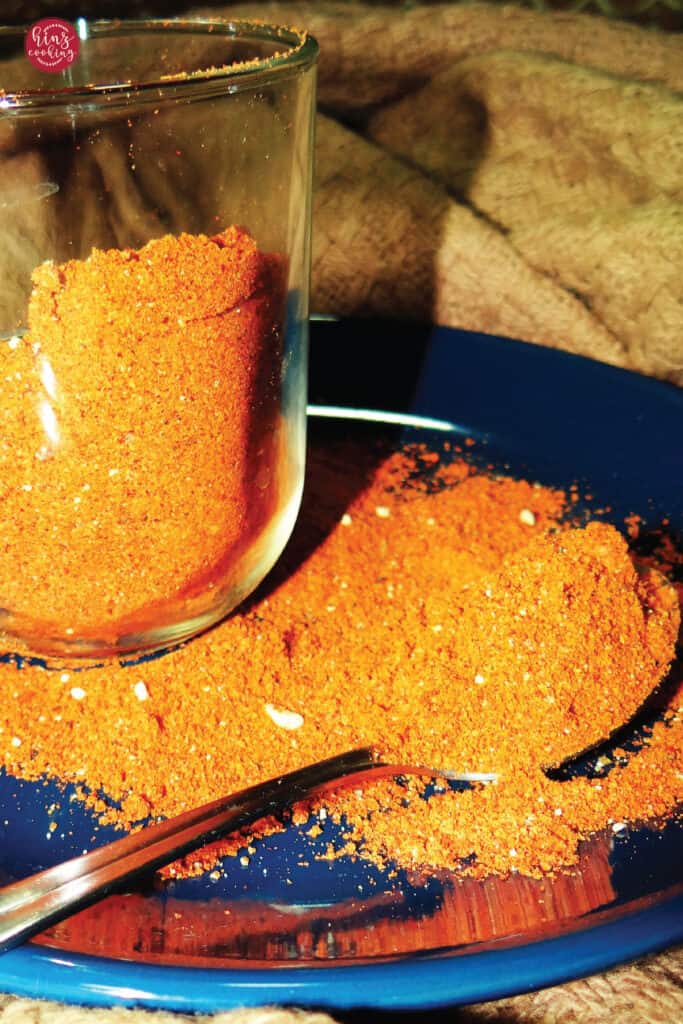
Jump to:
- What is Curry Powder? (And What Makes the Pakistani Version Different)
- Why You’ll Love This Recipe
- What Goes Into Homemade Pakistani Curry Powder (And Why Each Spice Matters)
- How To Make Curry Powder
- Curry Powder vs Garam Masala — What's the Difference?
- How to Store Homemade Curry Powder
- Curry Masala Powder Variations
- How To Use Curry Masala Powder?
- Frequently Asked Questions
- Homemade Curry Powder — Pakistani & North Indian Style Spice Blend
What is Curry Powder? (And What Makes the Pakistani Version Different)
Curry powder is a pre-mixed blend of ground spices used as the base flavouring for curries, stews, and rice dishes. The concept exists across South Asia, Southeast Asia, the Caribbean, and wherever South Asian cooking has spread globally — but every tradition makes it differently.
The yellow curry powder sold in Western supermarkets — dominated by turmeric, fenugreek, and mild chili — was originally developed by British spice merchants in the 18th century as a simplified approximation of South Asian cooking for non-South Asian kitchens. It is convenient and mild but bears only a passing resemblance to the spice blends used in actual Pakistani or Indian cooking.
Pakistani and North Indian curry powder is built around coriander and cumin as the dominant base notes, with garam masala (a separate warm-spice blend) incorporated as a component rather than as an afterthought. The heat comes from both cayenne and red chili powder. Mango powder (amchur) adds a subtle tartness that brightens the whole blend. The result is warmer, more complex, and more aromatic than anything in a commercial tin.
This is the style of curry powder that appears across Pakistani restaurant kitchens and home cooks — a reliable, all-purpose blend that creates instant depth when added to sautéed onion and tomato.
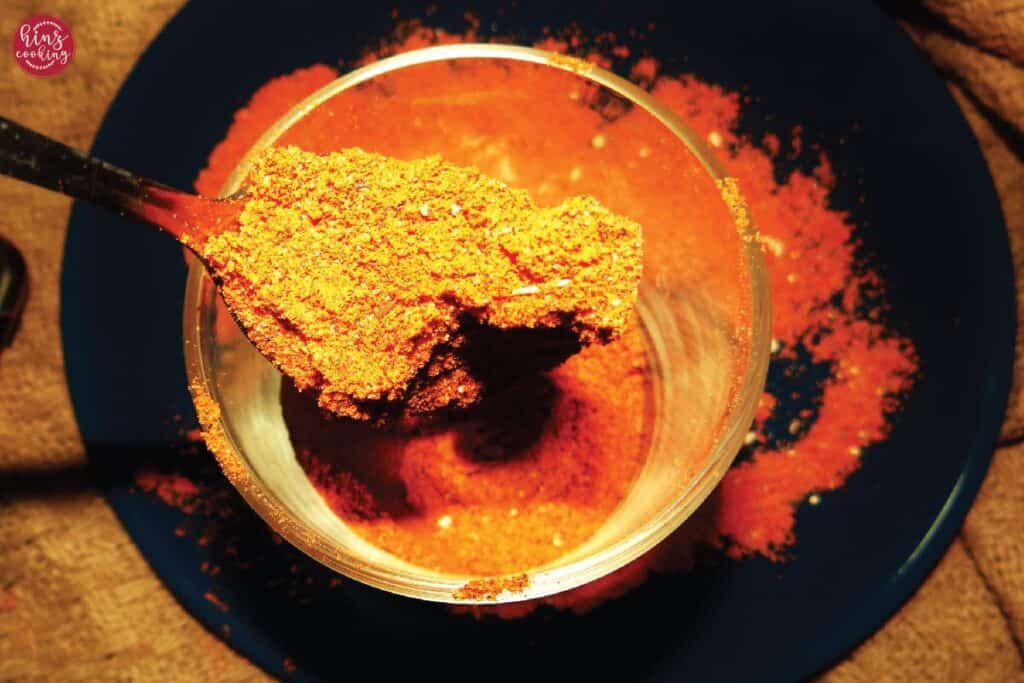
Why You’ll Love This Recipe
- Easy to make: Ready in 10 minutes with pantry spices.
- Fresh & aromatic: Toasted spices bring out incredible depth of flavor.
- No preservatives or additives: 100% pure homemade blend.
- Customizable: Adjust heat or add extra flavor notes (like star anise or nutmeg).
- Versatile: Perfect for any curry — chicken, seafood, lentils, or vegetables!
What Goes Into Homemade Pakistani Curry Powder (And Why Each Spice Matters)
| Spice | Quantity |
|---|---|
| Cayenne Pepper | 2 Tsp |
| Coriander Powder | 2 Tsp |
| Cumin Powder | 1 Tsp |
| Garlic Powder | ½ Tsp |
| Black Pepper Powder | 1 Tsp |
| Turmeric Powder | ½ Tsp |
| Mango Powder (optional) | ⅓ Tsp |
| Garam Masala | 2 Tsp |
| Red Chili Powder | 1 Tsp |
| Ginger Powder | ⅓ Tsp |
| Salt | ½ Tsp |
Cayenne Pepper (2 tsp): Provides the primary heat and the deep red colour. Cayenne is sharper and more immediate than red chili powder — the two together give a more layered heat profile than either alone.
Coriander Powder (2 tsp): The backbone of this blend — earthy, slightly citrusy, and warm. In Pakistani curry powder, coriander is the dominant note that everything else builds around.
Cumin Powder (1 tsp): Adds warm, slightly smoky depth. If you toast cumin seeds and grind them yourself rather than using pre-ground, the difference is significant.
Garlic Powder (½ tsp): Background savoury depth. Contributes to the all-purpose nature of this blend — you can use this curry powder even when you don't have fresh garlic in the recipe.
Black Pepper Powder (1 tsp): Adds a sharp, peppery heat that is different in character from chili heat. Works with cayenne to create a multi-layered heat experience.
Turmeric (½ tsp): Colour and earthiness. Pakistani curry powder uses less turmeric than Western commercial versions — the goal is a warm orange-brown colour rather than bright yellow.
Mango Powder / Amchur (⅓ tsp, optional): Dried raw mango ground to powder. Adds a subtle tartness and brightness that rounds out the heavier warm spices. This is a distinctly South Asian ingredient that commercial Western curry powders never include — it is part of what makes homemade Pakistani curry powder taste different from the tin.
Garam Masala (2 tsp): This is the component that elevates curry powder from a simple chili-and-turmeric blend into something complex and aromatic. Garam masala brings the whole spice warmth of cinnamon, cardamom, and cloves. For the best result, use my Homemade Garam Masala rather than a commercial packet.
Red Chili Powder (1 tsp): A second layer of chili heat — slower and deeper than cayenne. The combination of cayenne and red chili powder is a Pakistani cooking technique.
Ginger Powder (⅓ tsp): Warm, slightly resinous background note. Different in character from fresh ginger — ginger powder contributes a sustained warmth that fresh ginger cannot.
How To Make Curry Powder
Optional but recommended: dry roast the cumin seeds in a small skillet over medium-low heat for 2 minutes until fragrant and darkened slightly. Remove immediately from the heat and grind to a fine powder. Pre-ground cumin works perfectly well — but freshly roasted and ground cumin makes a noticeable difference to the depth of the finished curry powder.
- In a bowl, add cayenne pepper, coriander powder, roasted cumin powder, garlic powder, black pepper powder, turmeric powder, mango powder, garam masala powder, red chili powder, ginger powder and salt.
- Mix all the spice with the help of spoon.
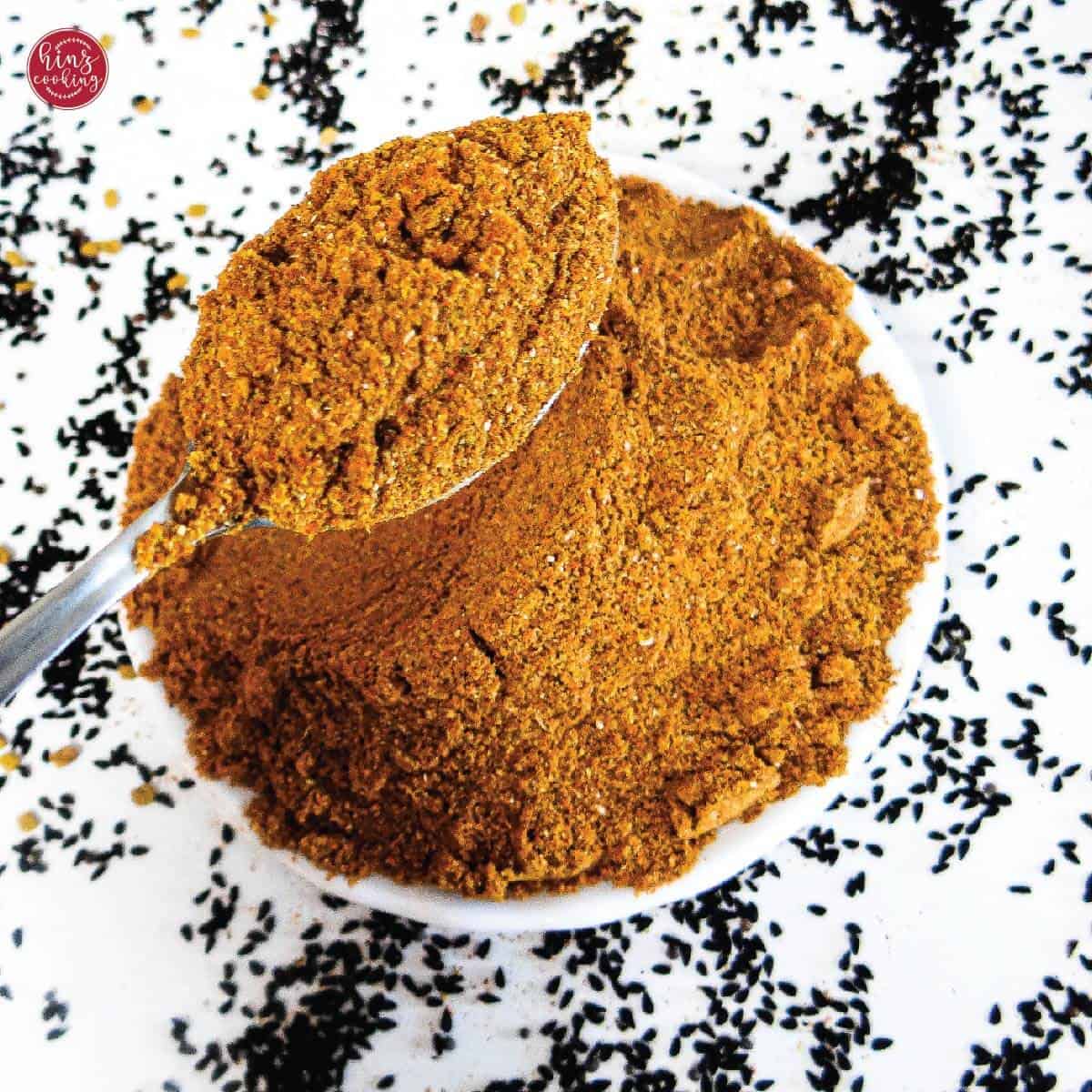
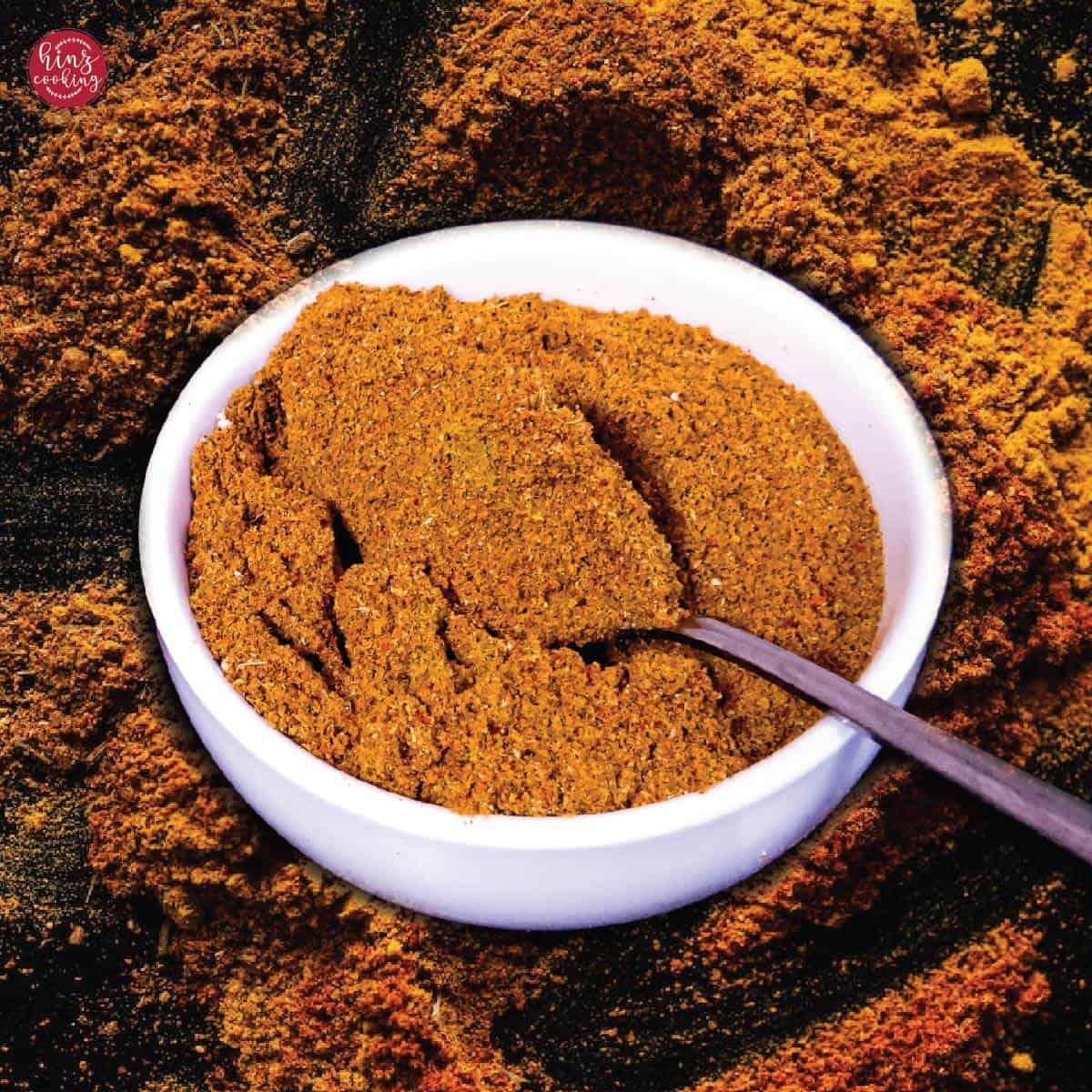
- Store your curry masala powder in an airtight glass jar.
- Keep it in a cool, dry place away from sunlight.
💡 Shelf life: Up to 3 months at room temperature or 6 months refrigerated.
Curry Powder vs Garam Masala — What's the Difference?
This is the most common question about South Asian spices and the answer is more nuanced than most posts explain.
Curry powder is an all-purpose spice blend designed to be added early in the cooking process — typically to sautéed onion and tomato during the masala-building stage. It seasons the entire dish from the inside out as it cooks. Curry powder contains turmeric, which gives curries their colour, and chili, which gives them heat. It is the foundational spice blend.
Garam masala is a finishing spice blend — added near the end of cooking or stirred in just before serving. It contains only warm aromatic spices (cinnamon, cardamom, cloves, black pepper, nutmeg) with no chili or turmeric. Its purpose is to add a final layer of fragrance and warmth on top of the already-cooked masala. Think of it as the perfume on top of the foundation.
The important nuance in Pakistani cooking: garam masala is also a component of curry powder itself — as in this recipe. This layering of garam masala inside the curry powder creates depth that single-stage spicing cannot. The whole spice warmth of garam masala is built into the base, and then more garam masala is often added at the finish. This double-layering is what gives Pakistani restaurant curries their complex, aromatic character.
Can you substitute one for the other? Technically yes — but the result is noticeably different. Curry powder used as a garam masala substitute gives colour and heat you didn't want. Garam masala used as a curry powder substitute gives no colour and no chili heat. In an emergency, the best substitute for curry powder is: garam masala + red chili powder + coriander powder + a pinch of turmeric — essentially rebuilding the key components.
How to Store Homemade Curry Powder
Homemade curry powder stores well because all the moisture has been removed during the grinding process — as long as you keep moisture out after that, the spices stay fragrant and potent for months.
Room temperature — up to 3–4 months Transfer the finished curry powder to an airtight glass jar and store in a cool, dark pantry or kitchen cabinet away from direct sunlight and heat sources. At a consistent room temperature of 25–30°C (77–86°F), the blend stays fresh for 3–4 months. Glass is the best container — it doesn't absorb or retain spice odours the way plastic does, and it keeps moisture out more effectively.
Refrigerator — up to 6 months For longer storage, keep the sealed glass jar in the refrigerator. The cooler, stable temperature slows the degradation of volatile aromatic compounds in the spices. If you live in a hot climate — as I do in Dubai — refrigeration from the start is the better choice, since heat accelerates the loss of fragrance even in a sealed jar.
Do not freeze. Freezing introduces a cycle of condensation — each time the jar comes out of the freezer, moisture forms inside as it warms to room temperature. That moisture causes the powder to clump, reduces the shelf life, and dulls the flavour. Room temperature or refrigerator storage is all you need.
One rule that applies to all three conditions: always use a completely dry spoon to scoop the masala. A single wet spoon introduces moisture into the jar and begins the clumping process immediately — even if the jar goes straight back into the fridge.
💡 Quick reference: Room temperature → 3–4 months · Refrigerator → 6 months · Freezer → not recommended
Curry Masala Powder Variations
One of the best parts of making homemade curry powder is that you can easily customize it to match your favorite flavor profile or regional cooking style.
Here are a few tasty variations you can try:
Mild Curry Powder Recipe — For Sensitive Heat Levels
If you prefer a gentle, balanced flavor:
- Reduce or skip dried red chilies.
- Add 1 teaspoon of paprika for color without heat.
- Include a pinch of nutmeg or cinnamon for a warm, subtle sweetness.
Perfect for chicken curry, vegetable stews, or kid-friendly dishes.
Spicy Indian Curry Powder — For Bold, Fiery Curries
For those who love bold, fiery curries:
- Double the dried red chilies or add 1 teaspoon of red chili flakes.
- Include a pinch of black cardamom for smoky depth.
Ideal for beef curry, spicy chickpeas, or vindaloo-style dishes.
South Indian Curry Powder — With Coconut and Curry Leaves
This version has a deeper, nutty flavor with coconut and curry leaves:
- Add 1 tablespoon of dried curry leaves.
- Mix in 1 tablespoon of roasted grated coconut.
- Add a hint of mustard seeds and urad dal for authentic South Indian aroma.
Great for fish curry, sambar, and coconut-based gravies.
Yellow Curry Powder Recipe — The Supermarket Style Made Better
If you enjoy the mild, fragrant curry powders often sold in North America:
- Increase turmeric to 2 teaspoon for a brighter yellow tone.
- Add 1 teaspoon ground ginger and ½ teaspoon garlic powder.
- Skip fenugreek and mustard for a smoother, less earthy flavor.
Perfect for creamy curry sauces, soups, or fusion recipes
Pakistani-Style Garam Masala Curry Blend
Combine the depth of curry powder with the aroma of garam masala:
- Add ½ teaspoon ground cloves, ½ teaspoon nutmeg, and 1 teaspoon cardamom powder.
- Mix in ½ teaspoon fennel seeds for sweetness.
A rich, aromatic blend for festive curries and slow-cooked meals.
Tip: You can prepare small batches of each variation and label them in jars — for example, “Spicy Curry Blend” or “Mild Curry Mix.”
It’s a simple way to bring versatility and restaurant-style flavor to your home kitchen!
How To Use Curry Masala Powder?
This versatile spice blend can be used in countless ways!
- For curries: Add 1–2 teaspoons to sautéed onion and tomato base.
- For marinades: Mix 1 tablespoon powder with yogurt and lemon juice for chicken or paneer.
- In soups & lentils: Stir ½ teaspoon for warm, earthy depth.
- For vegetables: Sprinkle while roasting or stir-frying for an instant Indian flavor.
💡 Tip: You can also blend 1 teaspoon of this curry powder with 1 tablespoon tomato paste and coconut milk or yogurt to make a quick curry sauce.
Skip the individual spices! Use this curry powder in these recipes below to effortlessly make rich, thick curries.
- Keema Curry - It's a simple homemade keema curry that you can make by using this masala and it will be ready in one go.
- Chickpea Curry: Here is an easy recipe of chickpea masala curry that you can make by using this masala. I prepared by different spices but you can use the same recipe with curry powder and skip the individual addition of spices.
- Chicken Karahi: It's a famous recipe from Pakistan and people love it. Normally its been prepared using less spices but you can use this masala and it will really turn out so well with tomatoes and green chilies.
- Aloo Gosht: It's a perfect spice for aloo gosht. Just use the quantity according to your meat and it will really make a quality taste of aloo gosht ka salan.
More Recipes:
Palak Chicken | Kofta | Curd Chicken | Chicken Tikka Masala | Indian Lamb Curry | Beef Masala
Frequently Asked Questions
No — curry powder is used for flavor and color early in cooking, while garam masala is added at the end for aroma.
Roasting enhances flavor and aroma. It’s recommended for the best results.
You can, but freshly roasted and ground spices have stronger, fresher flavor.
Moderately spicy. You can reduce or increase dried red chilies as you like.
Start with 1–2 teaspoons per curry (serving 3–4 people) and adjust to taste.
Madras curry powder packs a spicy punch and has a hint of fenugreek flavor, whereas regular curry powder is milder in heat compared to madras curry powder. Overall, the taste is quite similar; the main distinction lies in the level of spiciness.
🧂 More Homemade Masala Recipes from My Kitchen
Every spice blend on this site is made from scratch — no preservatives, no additives. Here are the most-used ones:
| Masala | Best for |
|---|---|
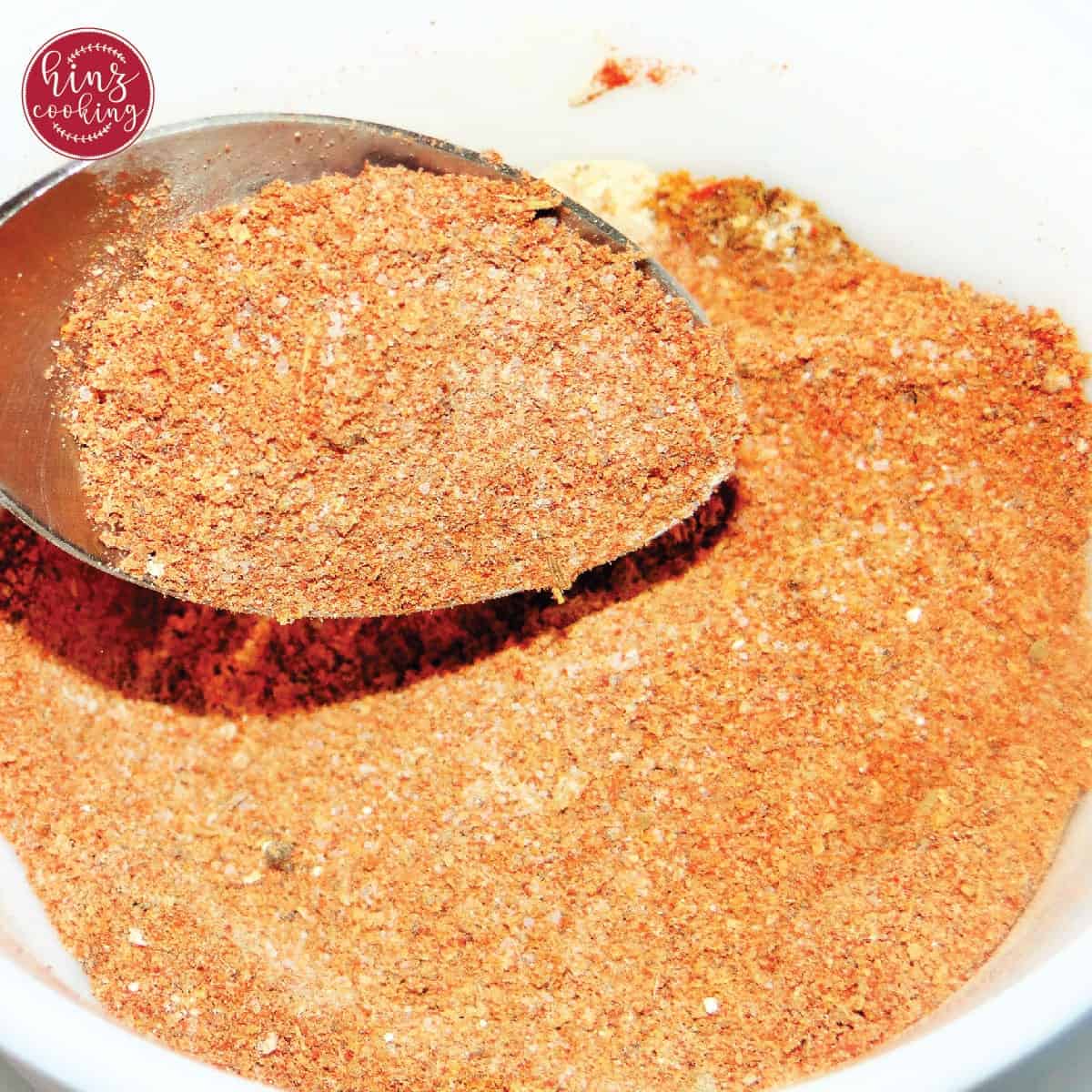
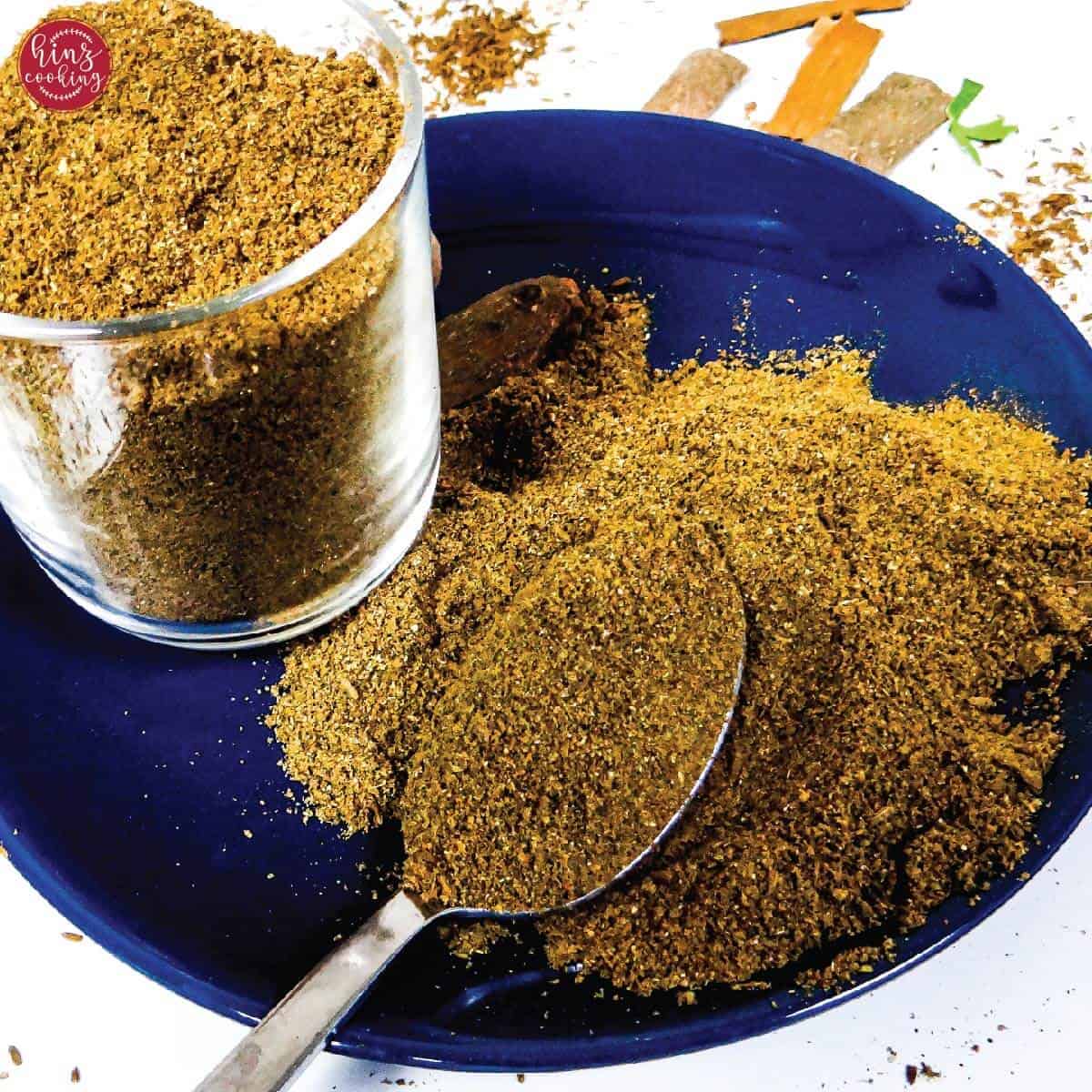
| Garam Masala Powder | Everyday warm spice base for all Pakistani cooking |
| Biryani Masala | Authentic layered spice blend for Pakistani biryani |
| Nihari Masala | Deep, slow-cook blend for nihari gravy |
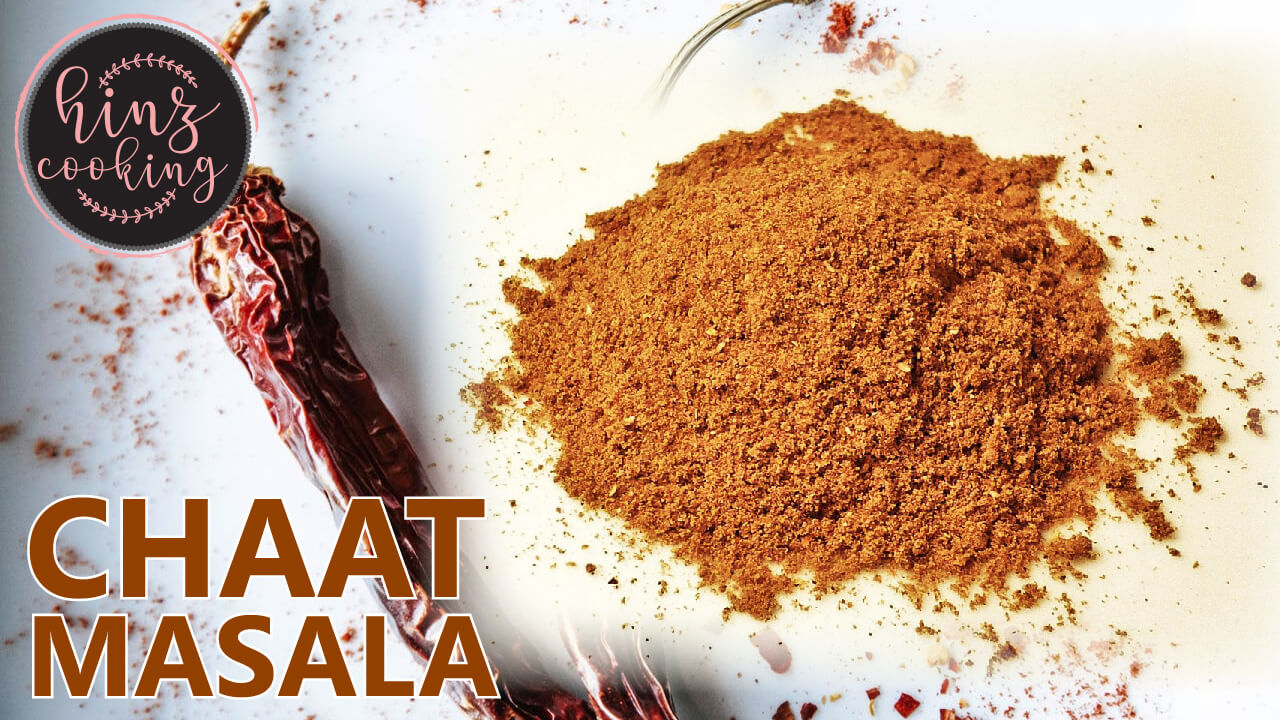
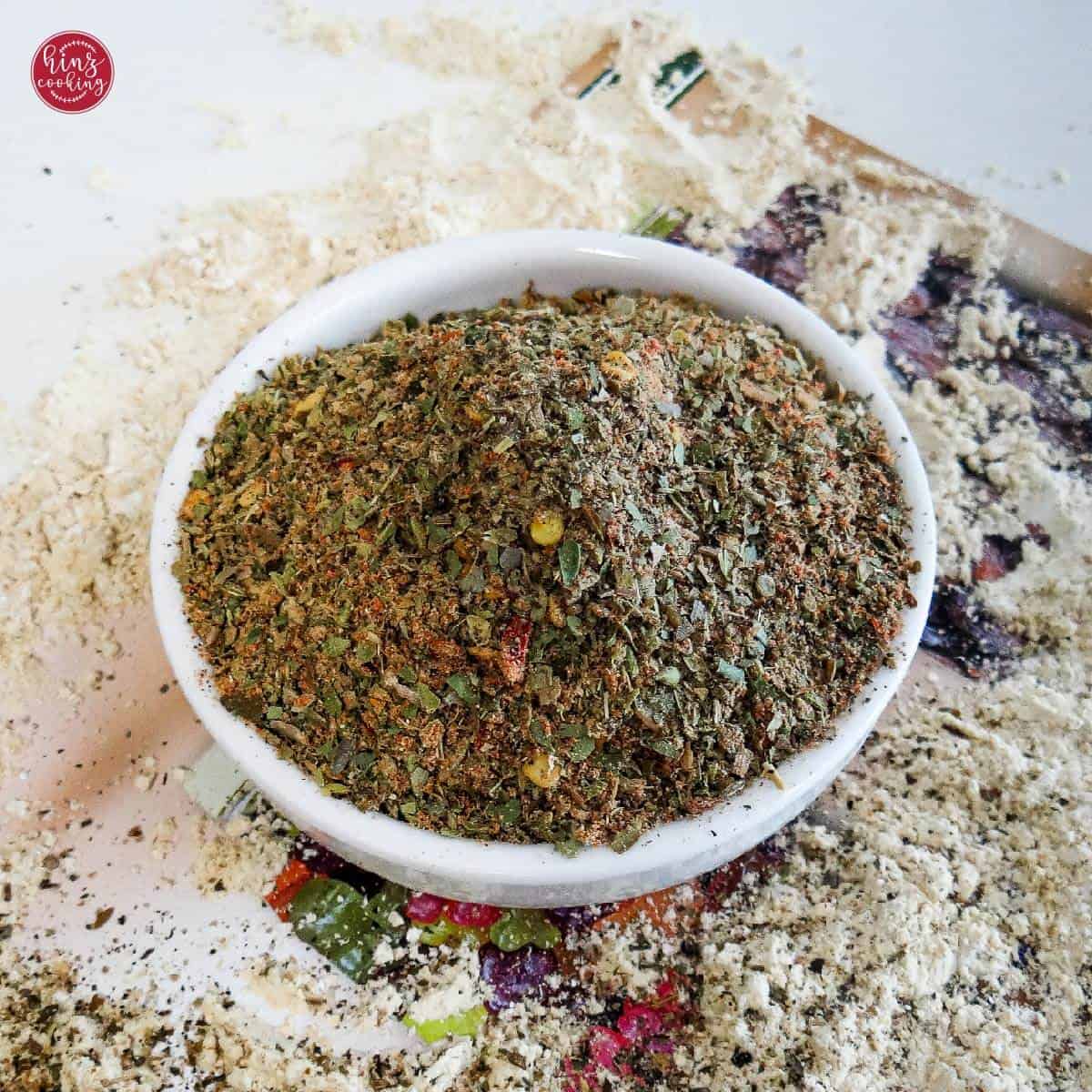
| Chaat Masala | Tangy, sour spice mix for street food and snacks |
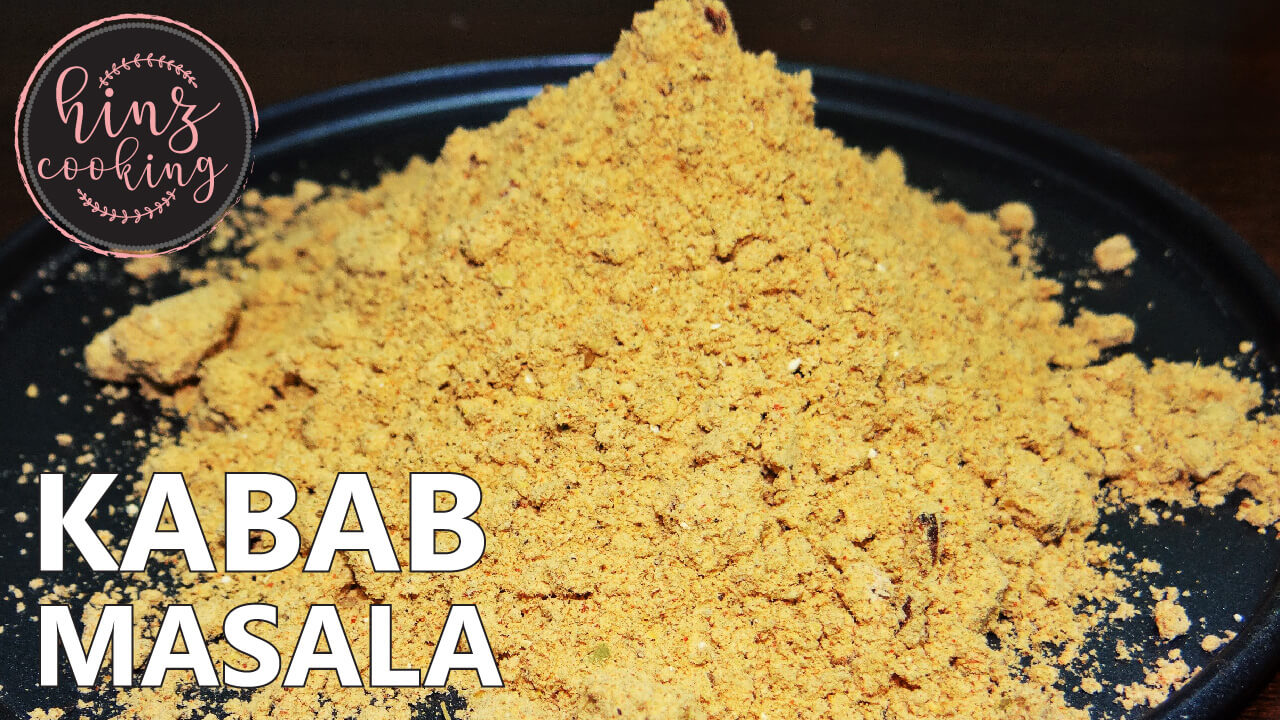
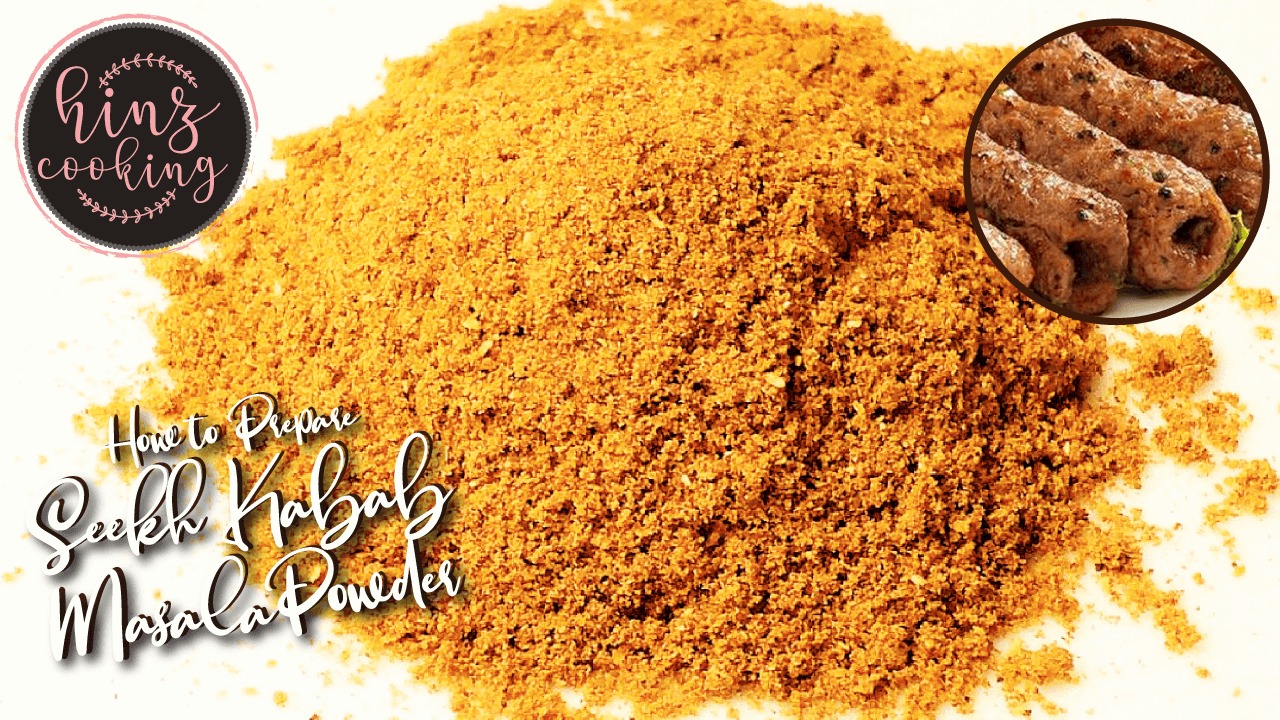
| Seekh Kabab Masala | Pakistani BBQ blend for grilled kababs |
🥣 Do you make your own curry powder to use store-bought?
⭐ Rate this recipe below
💬 Drop your questions in the comments
📲 Follow along on Instagram for more recipes.

Homemade Curry Powder — Pakistani & North Indian Style Spice Blend
Ingredients
- 2 teaspoons Cayenne Pepper
- 2 teaspoons Coriander Powder
- 1 teaspoon Cumin Powder
- ½ teaspoon Garlic Powder
- 1 teaspoon Black Pepper Powder
- ½ teaspoon Turmeric Powder
- ⅓ teaspoon Mango Powder optional
- 2 teaspoons Garam Masala Homemade
- 1 teaspoons Red Chili Powder
- ½ teaspoon Salt
- ⅓ teaspoon Ginger Powder
Instructions
- In a bowl, add cayenne pepper, coriander powder, cumin powder, garlic powder, black pepper powder, turmeric powder, mango powder, garam masala powder, red chili powder, ginger powder and salt.
- Mix all the spice with the help of spoon.
- Store your curry masala powder in an airtight glass jar.
- Keep it in a cool, dry place away from sunlight.
Video
Notes
- Use fresh and aromatic spices.
- Properly mix the spices to make it in one tone.
- For optimal results, incorporate roasted fennel and coriander powder.
- Refrain from using a wet spoon in the curry powder.
- Store it in a cool area of your pantry.
- Always seal the jar immediately after use.
- It's best to keep it in a glass container.
Hinz
It's a 5 minute recipe of curry powder that will help you to cook quick curry for your next meal.
Shaz
It seems so good! I will prepare this curry powder. May I use packet garam Masala?
Hinz
You can but it's recommended to use homemade garam masala to improve the taste of curry powder.