
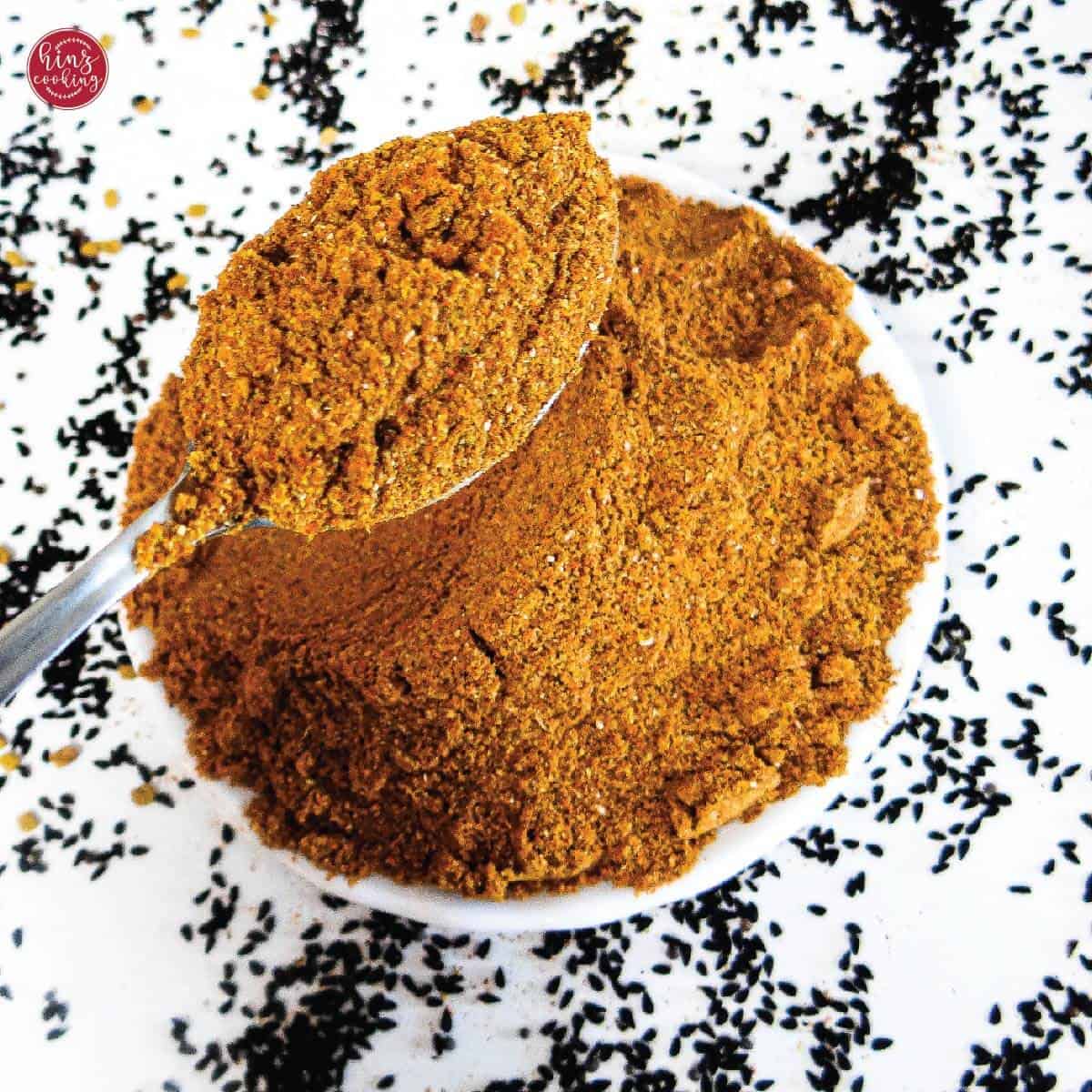
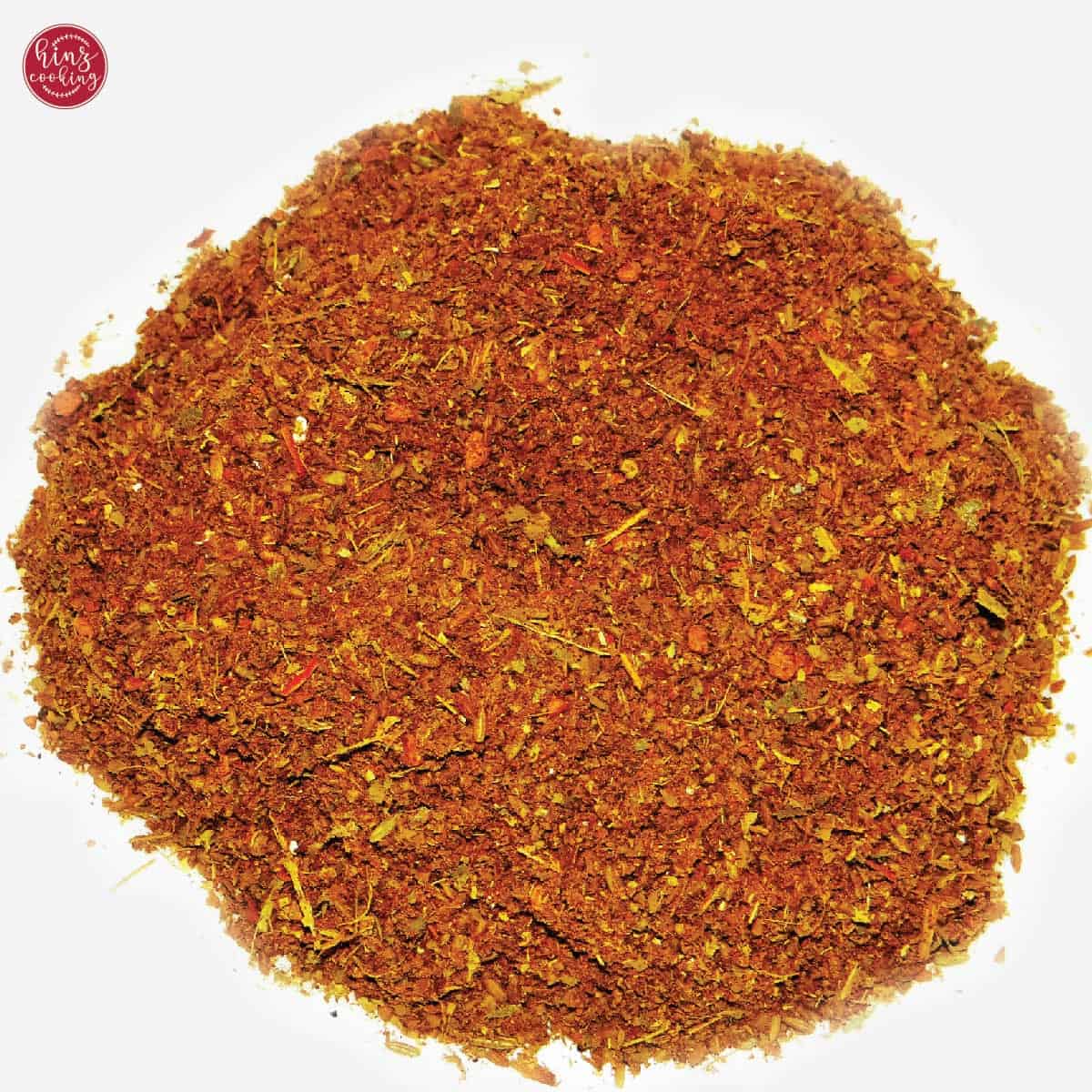
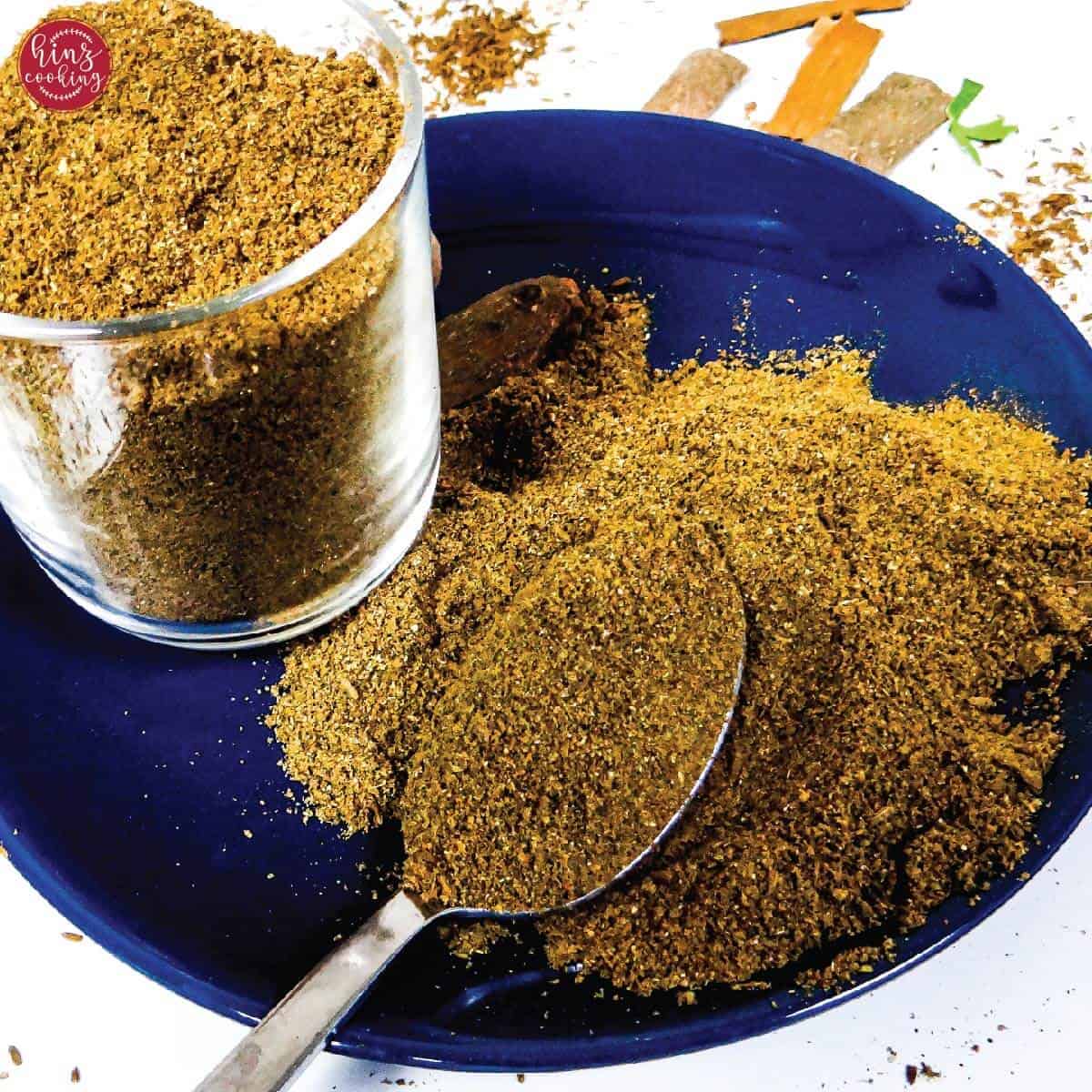
Traditional-style homemade Garam Masala just the way grandma made it—fresh, aromatic, and full of flavor. This blend uses whole spices, lightly roasted to bring out deep warm notes that elevate Indian, Pakistani, and Middle Eastern dishes.
If you’ve only tried store-bought masala before, this homemade version will transform your cooking!
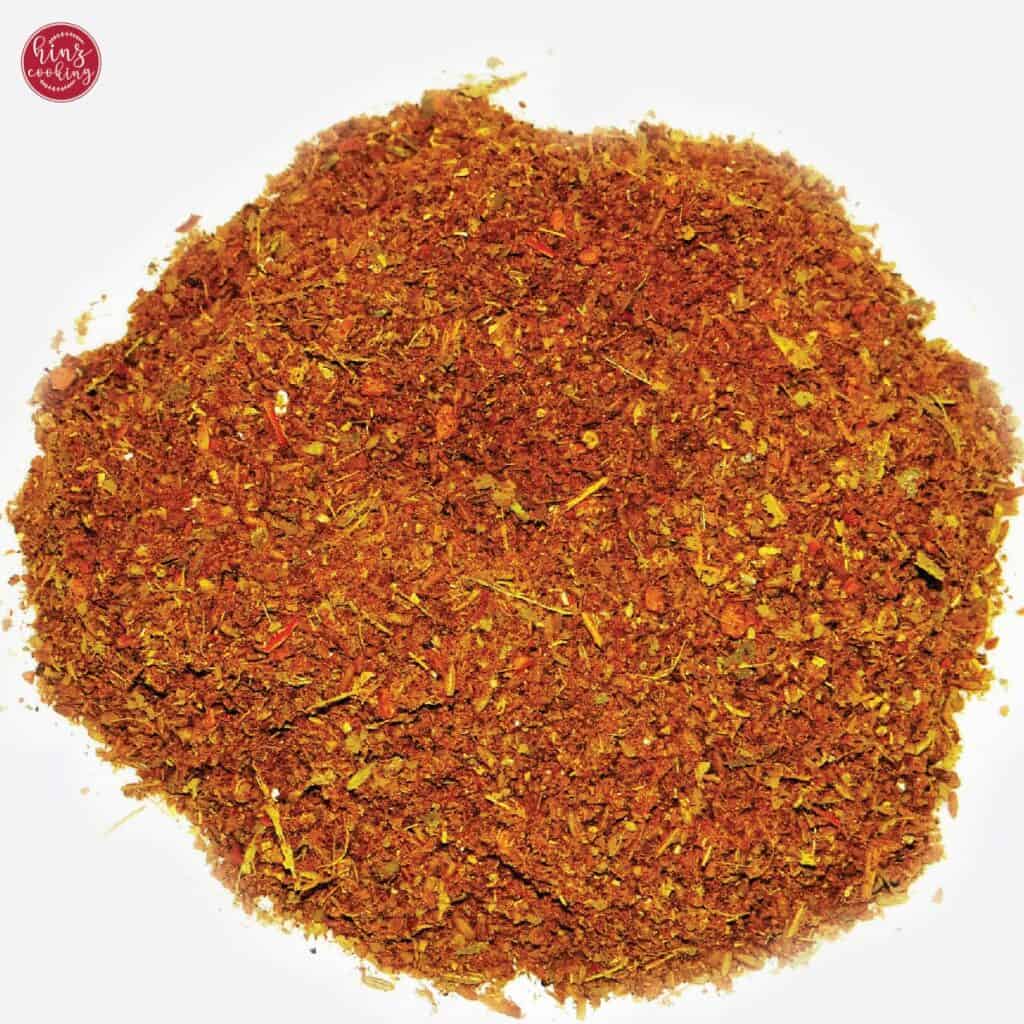
In the culinary traditions of Pakistan and India, garam masala powder plays an essential role in enhancing the flavor and aroma of dishes like curry, gravy, kebab, and biryani. Here’s the homemade recipe for my grandmother's garam masala, which she would prepare at home and keep for six months without any issues. Subsequently, my mother took over the preparation, and now I have started making it myself since I began managing my own kitchen.
Jump to:
- What is Garam Masala?
- Homemade vs. Store-Bought Garam Masala (Comparison Table)
- Why You’ll Love This Spice Mix
- Ingredients For Garam Masala
- Optional Spices (Regional Additions)
- How to Make Garam Masala at Home
- How to Store Homemade Garam Masala For 6 Months
- Pro Tips For Best Aroma & Taste
- Garam Masala Variations (By Region)
- Why To Use Pakistani Garam Masala in Desi Dishes
- How to Use Garam Masala in Cooking
- Popular South Asian Recipes Using Garam Masala
- What is similar to Garam Masala?
- FAQs
- 🔄 Related Posts
- Homemade Garam Masala (Authentic & Best)
What is Garam Masala?
Garam Masala is a classic Indian spice blend made from warm, aromatic whole spices like cardamom, cloves, cinnamon, cumin, and peppercorns.
- “Garam” means warming, not spicy.
- It’s added towards the end of cooking to boost aroma and depth.
- Unlike curry powder, garam masala does not contain turmeric.
Homemade vs. Store-Bought Garam Masala (Comparison Table)
Here is a quick side-by-side comparison to help readers understand why homemade garam masala is superior in freshness, aroma, and flavor control.
| Feature | Homemade Garam Masala | Store-Bought Garam Masala |
|---|---|---|
| Aroma | Very fresh, strong, and fragrant because spices are roasted and ground recently | Mild to average; loses aroma due to long storage and mass production |
| Flavor Quality | Customizable, pure, and balanced | Often contains fillers (coriander powder, turmeric) to reduce cost |
| Ingredients | 100% whole spices you choose | Varies by brand; may include additives or anti-caking agents |
| Customization | Fully adjustable — spicy, mild, aromatic, biryani-style, Punjabi-style | Limited; one blend for all dishes |
| Freshness | Maximum freshness for first 4–6 weeks | Packaged months earlier; aroma fades over time |
| Shelf Life | 3–6 months (best in first 2 months) | 12–18 months due to preservatives |
| Cost | More economical when bought in bulk | More expensive per tablespoon |
| Color | Natural deep brown | Often lighter or artificially uniform |
| Control Over Quality | 100% — you select each spice | Depends on brand and sourcing |
| Best For | Biryani, curries, marinades, authentic dishes | Quick everyday use or travel convenience |
| Texture | Smooth or coarse—your choice | Generally fine and uniform |
Why You’ll Love This Spice Mix
- Pure & Preservative-Free
- Customizable flavor based on your preference
- Stronger aroma than store-bought packets
- Budget-friendly
- No fillers like coriander powder or chili powder
- Stays fresh for months
Ingredients For Garam Masala
- Black Pepper (Kali Mirch): Almost 1 tablespoon pepper corns will be used.
- Star Anise (Badyan Ka Phool) - 1 flower: It has unique aroma and taste.
- Nutmeg (Jayfal) - 1 small
- Fennel seeds (Saunf) - 1 Tsp
- Cumin seeds (Zeera) - 2 tbsp
- Coriander seeds (Sabut Dhania) - 1 tbsp
- Green cardamom (Hari Illaichi) - 25-30
- Cloves (Laung) - 25-30
- Cinnamon (Darchini) - 3x3 inches
- Bay leaves (Taiz Patta) - 12
- Black cardamom (Badi Illichi) - ⅚
- Mace (Javitri) - 1 inches
Suggestion: All spices should be fresh, dry, and free from moisture.
Optional Spices (Regional Additions)
You can add or remove based on your regional taste:
- Fennel seeds – Adds sweet aroma
- Stone flower (dagad phool) – Signature biryani flavor
- Kabab chini (allspice) – Mughlai touch
- Cardamom seeds only – Stronger aroma
- Curry leaves (South Indian style)
How to Make Garam Masala at Home
1. Clean the spices
Remove stems, dust, or broken pieces. Ensure spices are completely dry.
2. Dry roast on low flame (3–4 minutes)
Add all whole spices to a pan and roast until fragrant.
👉 Do NOT brown them — this causes bitterness.
3. Cool completely
Spread the roasted spices on a plate. Cooling prevents clumping.
4. Grind into fine or coarse powder
Use a spice grinder/coffee grinder.
- Coarse for rustic recipes like curries & biryani
- Fine for everyday use
5. Sieve (optional)
You may repeat grinding for a smoother powder.
6. Store in an airtight glass jar
Keep away from sunlight.
How to Store Homemade Garam Masala For 6 Months
Store in a glass jar, never plastic.
Keep away from heat, moisture, or direct sunlight.
Shelf life:
› 3 months (best aroma)
› 6 months (usable)
Keep a small daily-use jar, rest in an airtight reserve jar.
Pro Tips For Best Aroma & Taste
› Always dry roast on LOW heat only.
› Never add oil or water to spices.
› Use whole spices, not pre-ground ones.
› For strongest aroma: make small batches every 6–8 weeks.
› If using nutmeg, add ONLY a pinch—it’s powerful.
› Avoid roasting nutmeg; add it while grinding.
Garam Masala Variations (By Region)
1. North Indian Garam Masala
Warm, aromatic, cardamom-forward.
- More cinnamon
- More green cardamom
2. Punjabi Garam Masala
Stronger and robust.
- More cloves
- Extra black cardamom
- Strong pepper notes
3. Kashmiri Garam Masala
Milder and slightly sweet.
- Fennel
- Mace
- Less pepper
4. Mughlai Garam Masala
Rich & royal.
- Mace
- Nutmeg
- Star anise
- Stone flower
5. South Indian Style
Fresh & herbaceous.
- Curry leaves
- Fennel seeds
- Star anise
- Black pepper
6. Biryani Garam Masala
- Deep, layered aroma.
- Whole mace
- Black stone flower (dagad phool)
- Kabab chini
- Extra bay leaves
- More cinnamon
Why To Use Pakistani Garam Masala in Desi Dishes
Pakistani garam masala has a bold, deep, and slightly smoky flavor that sets it apart from Indian and Middle Eastern blends. It leans heavily on warm whole spices with a noticeable aroma of black cardamom, cloves, and black pepper, giving it a strong, full-bodied taste. You’ll also find a gentle sweetness from cinnamon, earthy warmth from cumin and coriander, and a subtle floral lift from green cardamom.
Unlike many Indian versions, Pakistani garam masala is more robust and less sweet, designed to stand out in rich meat-based dishes like karahi, nihari, pulao, biryani, and qorma. It’s meant to enhance the dish without overpowering it — adding heat, depth, and a signature Pakistani “warming” aroma that defines traditional home-style and restaurant-style cooking.
How to Use Garam Masala in Cooking
Garam masala is one of the most important and fragrant spice blends in Indian and Pakistani cooking. Because it’s strong in both flavor and aroma, it should be used thoughtfully—just enough to enhance the dish without overpowering the other spices.
You can use it in a wide variety of recipes:
- Curries: chicken, lamb, beef, or vegetarian gravies
- Rice dishes: biryani, pulao, tahari
- Kebabs and marinades: chicken tikka, seekh kabab, reshmi kabab
- Lentils and beans: dal fry, chana masala, rajma
- Vegetable dishes: aloo matar, mixed veg, paneer curry
- Special dishes: kofta curry, korma, masala gravies, festive meals
How Much Garam Masala Should You Use?
Because the blend is quite potent, here is a safe, general guideline:
- For meat curries (chicken, lamb, beef): Use ½ teaspoon for ½ kg (1 lb) meat. Add during the last 5–10 minutes of cooking for maximum aroma.
- For vegetarian dishes: Use ⅓ teaspoon or even a pinch, depending on the intensity you prefer.
- For rice dishes (biryani/pulao): Use ½–1 teaspoon in the layering or final dum stage.
- For kebabs and marinades: Use ½–1 teaspoon in the marinade mixture depending on spice tolerance.
Popular South Asian Recipes Using Garam Masala
- Lamb Curry
- Keema Curry
- Beef Curry
- Chickpea Curry
- Chicken Tikka Masala
- Karahi Chicken
- Karachi Chicken Biryani
- Chana Dal
- Korma
What is similar to Garam Masala?
Several spice blends offer a flavor profile close to garam masala and can be used as substitutes in Indian, Pakistani, and Middle Eastern recipes:
- Curry Powder
A common alternative, especially in Western kitchens. It’s milder and contains turmeric, so it changes the color of the dish but still adds warmth. - Chaat Masala
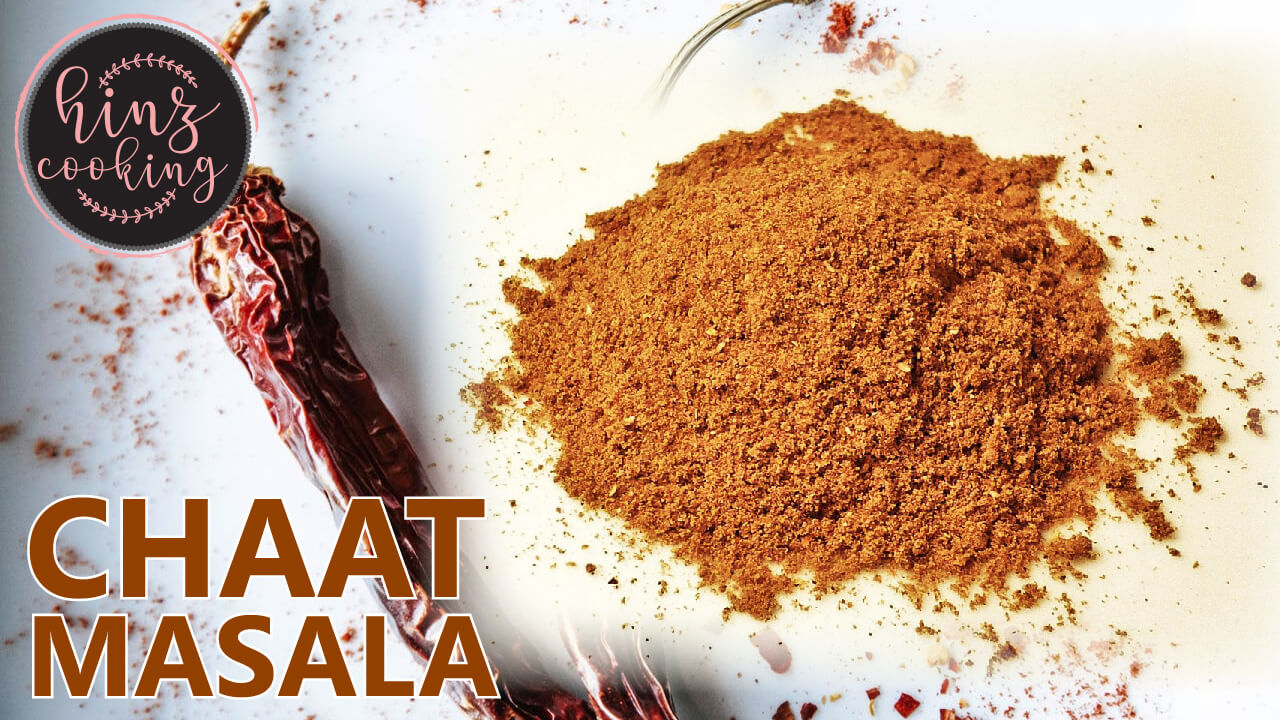
More tangy and salty, but in small amounts it can replace the aromatic kick of garam masala in snacks or chaats. - Tikka Masala Spice Mix
Smoky, slightly spicy, and works well in marinades and grilled recipes. - Biryani Masala / Pulao Masala
Similar base spices with added fragrance; works well in rice dishes or meat curries. - Baharat 7 Spice Mix: It's a warm and aromatic blend of 7 spices mostly used in Middle Eastern and arabic cuisine.
- Pumpkin Pie Spice (Western kitchens)
Surprisingly similar in aroma (cinnamon, clove, nutmeg). Use a tiny pinch for depth—best in fusion dishes. - Chinese Five Spice
Shares cinnamon, cloves, and star anise; use sparingly in stews or beef dishes. - Homemade Mix of Warm Spices
Combine a pinch of cumin, coriander, cinnamon, black pepper, and clove—it comes closest to the garam masala effect.
FAQs
No—it's warm, not hot. The flavor comes from aromatic spices.
Yes, but you’ll lose some smokiness.black cardamom?
Not recommended; flavor won’t be the same.
To preserve the aroma. Heating too long makes it dull.
Garam masala and baharat are both warm, aromatic spice blends, but they come from different cuisines and have distinct flavor profiles. Garam masala is used in Indian and Pakistani cooking and has a stronger, sharper aroma with spices like cloves, cinnamon, cardamom, and black pepper. Baharat, common in Middle Eastern cuisine, is milder and slightly sweet, often containing paprika, cumin, coriander, nutmeg, and sometimes dried rose petals. While both add warmth and depth, garam masala is more intense and concentrated, whereas baharat creates a softer, rounder flavor.
🔄 Related Posts
- Chaat Masala
- Baharat Spice Mix
- Curry Powder
- Biryani Masala
- Tikka Masala Spice Mix
- Seekh Kabab Masala
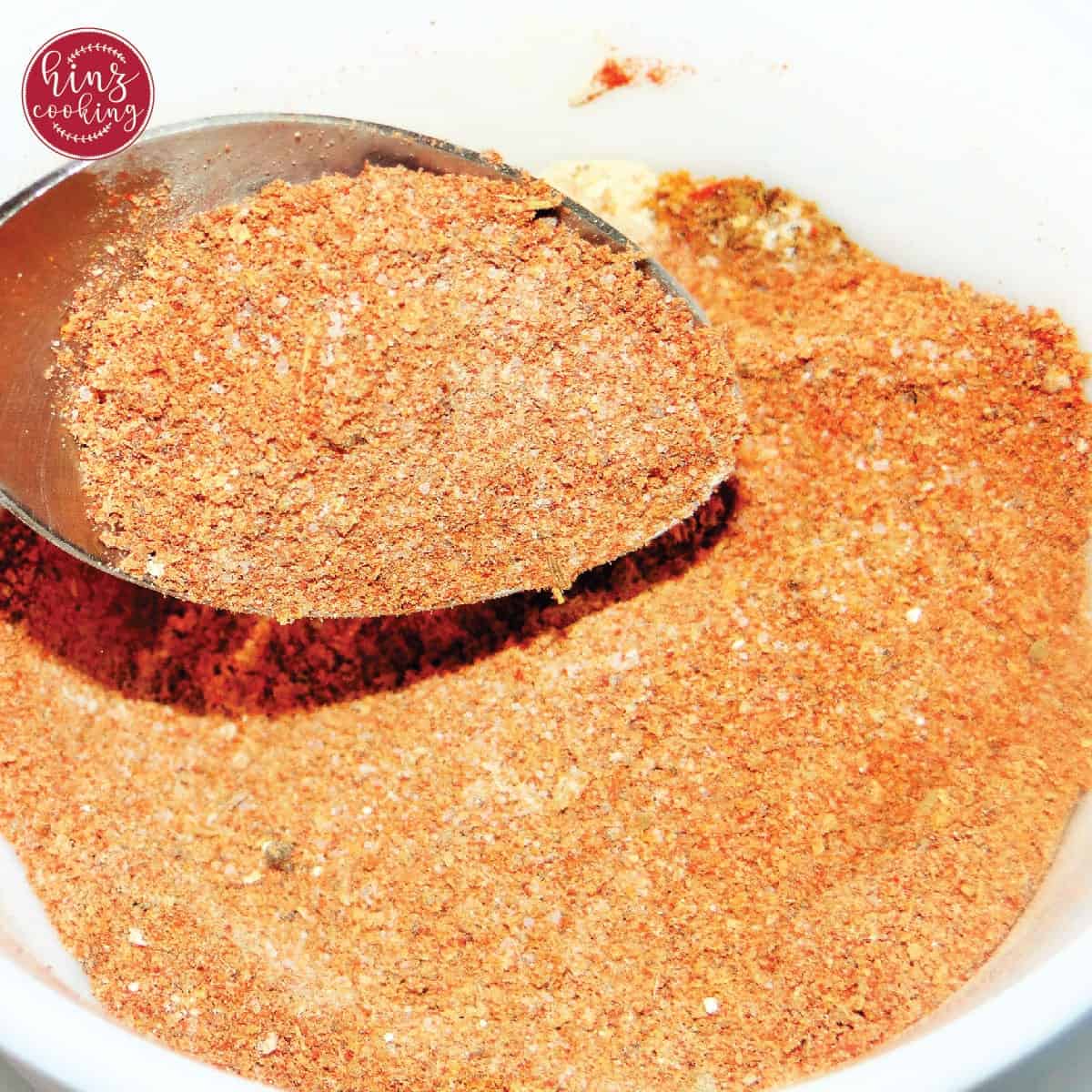
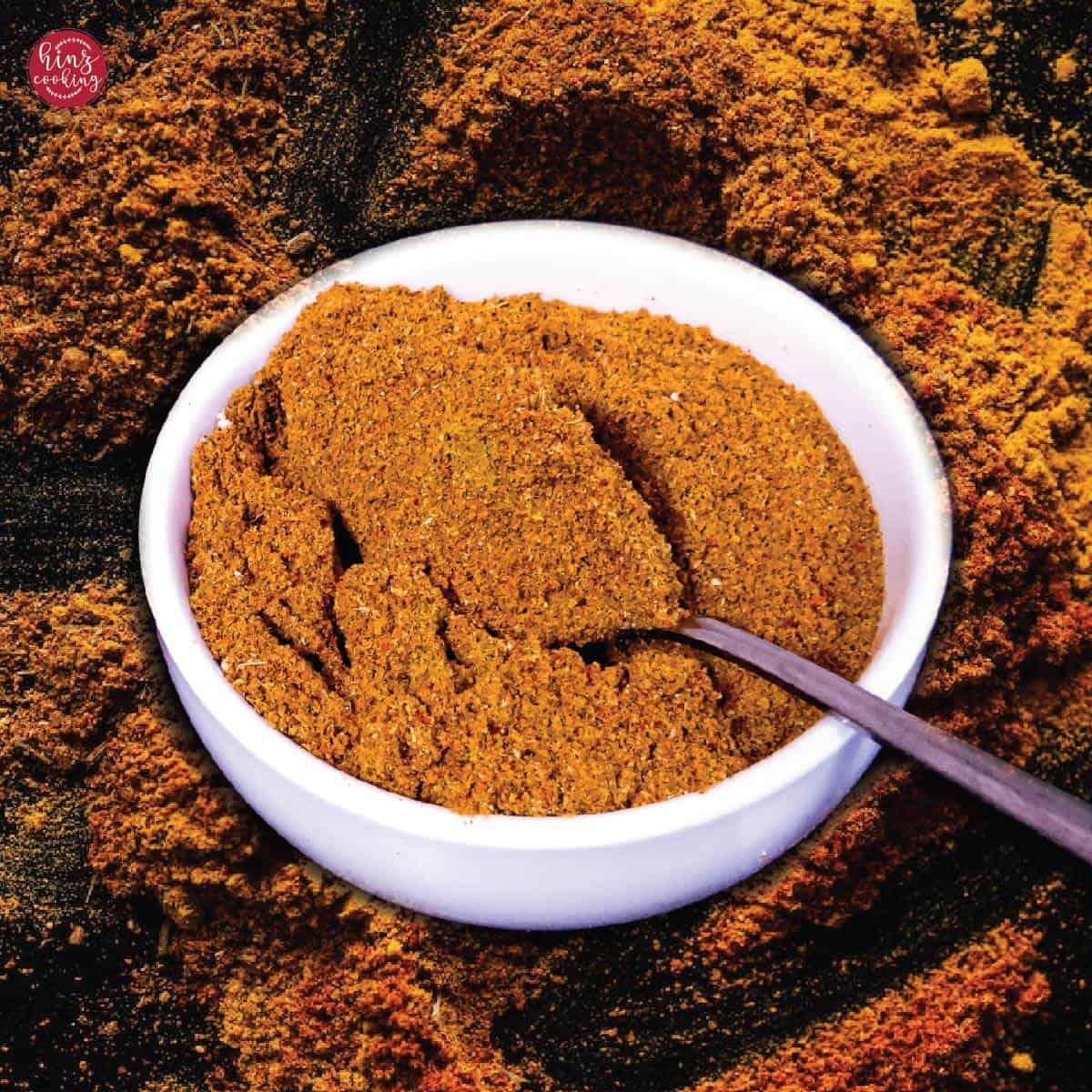
🥣 Do you make garam masala at home?
⭐ Rate this guide below
💬 Drop your questions in the comments
📲 Follow along on Instagram for more recipes.
Homemade Garam Masala (Authentic & Best)
Ingredients
- 1 tablespoon Black Pepper
- 1 Star Anise
- 1 Nutmeg
- 1 teaspoon Fennel seeds – 1 Tsp
- 2 tablespoon Cumin seeds – 2 tbsp
- 1 tablespoon Coriander seeds – 1 tbsp
- 25 Green cardamom
- 30 Cloves
- 3 inches Cinnamon 3 sticks
- 12 Bay leaves
- 6 Black cardamom
- 2 Mace 3 inches
Instructions
- Clean The Spices: Remove stems, dust, or broken pieces. Ensure spices are completely dry.
Roast The Spices
- Add all whole spices to a pan and roast until fragrant.👉 Do NOT brown them — this causes bitterness.
- Spread the roasted spices on a plate. to cool down. Cooling prevents clumping.
- Add all the roasted spices in a grinder and grind it to make a fine powder.
- Immediately store the garam masala in glass container to preserve aroma.
Video
Notes
- Clean the whole spices before use.
- Use strainer and cotton cloth for cleaning dirt or grime.
- Use proper quantity.
- Never roast on high heat.
- Roast till the spices become aromatic.
- Cooldown the spices before grinding.
- Use a grinder to make a fine powder.
- Sieve after grinding.
- Store in a glass jar.
Nutrition
Pin It!!

Hinz
Authentic Grandma Garam Masala Recipe for foodies to make at home. It will make a big difference in your recipes.
Sara
Really love the recipes and how organized the website is. Excited to try this