
The secret to making this traditional dish truly shine lies in how you cook basmati rice for biryani. The grains should be long, fluffy, and separate — never mushy or broken. In this guide, I’ll share step-by-step tips to cook rice that’s aromatic, tender, and ready to layer with your favorite biryani masala. Whether you’re making chicken, beef, or vegetarian biryani, mastering this rice technique will take your recipe to the next level.
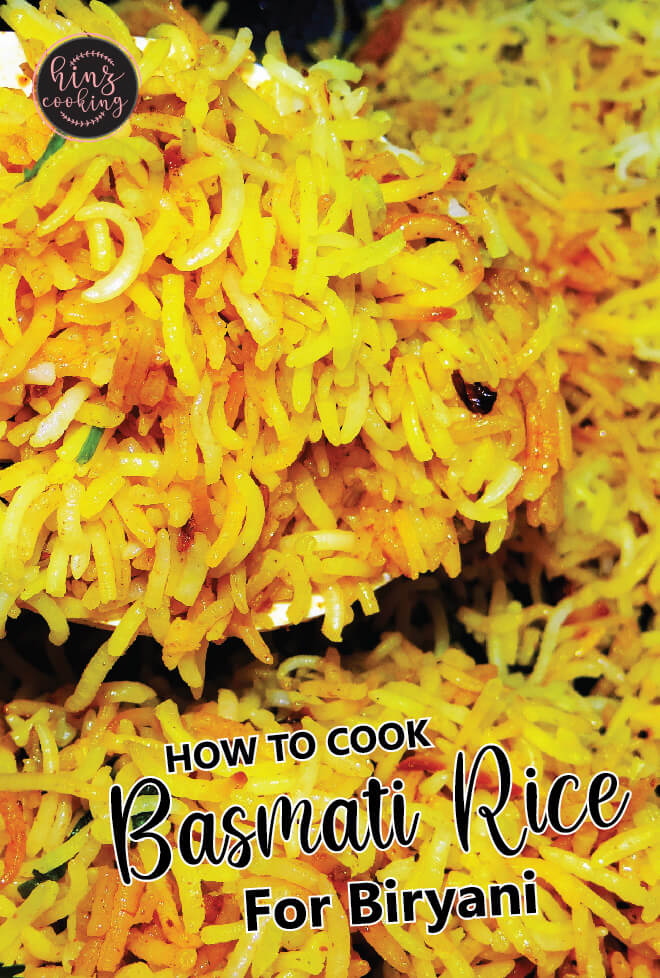
(check the recipe card at the bottom of this post for detailed ingredients and step by step direction).
Growing up, biryani was always a special meal in our home. My mother used to make big weekend batches, and the one thing she emphasized was: “Rice is the heart of biryani—get it right.”
Years later, after testing many techniques on my YouTube and blog recipes, I finally perfected a method that consistently delivers long, fluffy biryani rice every single time. And today, I’m sharing that kitchen-tested guide with you.
My goal with this post was to simplify the process so that even beginners searching for how to cook basmati rice for biryani can do so confidently. To be honest, the rice is the core of biryani — when it’s fluffy and cooked just right, your dish will taste just like the ones you enjoy at weddings or restaurants.
🌟 Love Biryani?
Perfect rice is just the beginning! Explore my full guide to Biryani Recipes — with step-by-step tips, regional variations, and the best side dishes to serve.
Along the way, I’ll share common mistakes, little tips, and step-by-step methods to help you get those long, separate grains every time. So, let’s start with the most important question: which rice is best for biryani?
Jump to:
Why Basmati Rice is Best for Biryani
Basmati rice is the gold standard for making biryani because of its long, slender grains, natural fragrance, and fluffy texture. Unlike regular rice, basmati stays separate after cooking, giving each bite the perfect balance of rice, meat, and spices. Its subtle nutty aroma enhances the flavors without overpowering the dish.
👉 For authentic results, use aged long-grain basmati —it expands beautifully during cooking and absorbs spices better than short-grain or sticky rice. While some people use Sela (parboiled) basmati, which is firmer and less likely to break, traditional biryani shines best with regular aged basmati.
Basmati vs. Sela rice
| Feature | Basmati Rice | Sela (Parboiled) Basmati Rice |
|---|---|---|
| Texture | Soft, fluffy, and aromatic | Firmer, slightly chewy |
| Grain Length | Long and slender | Extra-long, doesn’t break easily |
| Soaking Time | 20–30 minutes | 45–60 minutes |
| Cooking Time | Cooks faster | Takes longer to cook |
| Best For | Traditional biryani with delicate layers | Large-batch cooking, restaurant-style biryani |
| Flavor | Nutty, fragrant, absorbs spices well | Less fragrant, more neutral taste |
Tip 👉 Use aged basmati rice for home-style, authentic biryani.
Use Sela rice when cooking for crowds—it stays firm and doesn’t turn mushy even if slightly overcooked.
Select the right quality of rice
The secret to perfect biryani starts with the quality of rice. Always go for aged, long-grain basmati rice (Wikipedia), as it has less moisture and cooks into long, fluffy grains that don’t stick together. Fresh rice often breaks or turns mushy, while aged basmati expands beautifully and absorbs spices better.
👉 Tip: Check the packaging for “Aged Basmati” or buy trusted brands known for consistent results. If cooking for gatherings, Sela basmati is also a good option since it holds shape well even after long cooking.
Key Ingredients
Rice Preparation
- Basmati Rice – 2 cups: Use long-grain basmati for the best aroma and fluffy texture.
- Water – 1.5 liters: Needed for soaking and boiling the rice.
Whole Spices (for boiling rice)
- Bay Leaves – 2: Adds subtle earthy fragrance.
- Cumin Seeds – 1 teaspoon: Gives a warm, nutty depth.
- Cloves – 5: Enhances aroma and spice.
- Black Peppercorns – 10: Adds mild heat and flavor.
- Cinnamon Stick – 1 (3–4 inches): Brings a sweet, woody aroma.
- Star Anise – 1: Adds a hint of sweet licorice note.
- Green Cardamom – 5: Introduces floral, aromatic flavor.
For Layering & Steaming (Dum)
- Oil or Ghee – 2 teaspoons: For greasing the pan and adding richness.
- Meat Curry – 500 g (thick gravy): Use chicken, mutton/lamb, or beef—your choice, but curry should be thick.
- Salt – 1.5 teaspoons: Adjust to taste for perfect seasoning.
- Biryani Color – 2 pinches: Edible yellow or red food color for vibrant layers.
Saffron Milk (Optional but Recommended)
- Saffron Milk – 1 tablespoon: Soak a few saffron strands in lukewarm milk for 30 minutes for aroma and color.
Fresh Herbs & Aroma
- Coriander Leaves – chopped: Adds freshness to the layers.
- Green Chilies – sliced: Brings light heat and flavor.
- Birista (Fried Onions) – ½ tablespoon: For authentic biryani aroma.
- Lemon Juice – 2 teaspoons (optional): Brightens the flavors.
- Biryani Essence – 5 drops: Substitute: Kewra water or Rose water for traditional biryani fragrance.
How to Cook Basmati Rice for Biryani
Perfecting the rice is the cornerstone of a delightful and vibrant biryani. The grains must be long, fluffy, and distinct—not gooey or overcooked. For the finest results, stick to these steps:
🥣 Rinse & Soak the Rice
- Add 2 cups of basmati rice to a large bowl and rinse gently under running water until it runs clear.
- Soak the rice in fresh water for 20–30 minutes.
Tip: Don’t leave rice drained for too long—excess draining can make the rice soft and mushy later.
💧 Water-to-rice ratio
- For drain & cook method: Use plenty of water (at least 6–7 cups for 2 cups of rice). This ensures the rice has enough space to cook without sticking.
- For absorption method: Use a ratio of 1 cup rice : 1.5 cups water for biryani (but absorption method is less common for traditional biryani).
🍲 Par-Cooking (Boiling & Draining)
- In a large deep pot, bring 4–6 cups of water to a rolling boil.
- Add salt, ghee/oil, and the whole spices:
2 bay leaves, 1 teaspoon cumin seeds, 5 cloves, 10 black peppercorns, 1 cinnamon stick (3"), 1 star anise, 5 green cardamom. - Cover the pot and let the water boil for 10 minutes so the spices infuse well.
- Drain the soaked rice and gently add it to the boiling water. Stir once to avoid sticking.
- Cover and cook the rice on high heat for 3–4 minutes, until 80–85% cooked.
How to check doneness: Press a grain between your fingers—it should break but still have a firm, slightly raw center (al dente).
- Drain the rice immediately using a colander and set aside.
🌿 Layering & Steaming For Perfect Texture
- Grease a heavy-bottomed pot with oil or ghee.
- First Layer:
- Spread half of the par-cooked rice at the bottom.
- Taste and adjust salt if needed.
- Add a layer of thick meat curry.
- Add a spoonful of rice on top and sprinkle coriander, green chilies, and birista.
- Second Layer:
- Repeat the process: rice → meat curry → herbs → birista.
- Final Layer:
- Spread the remaining rice on top.
- Sprinkle biryani color, saffron milk (optional), and a splash of fresh lemon juice.
- Add 2–3 drops of kewra water, rose water, or biryani essence for classic biryani aroma.
Steaming (Dum)
- Cover the pot tightly to trap steam and cook on high heat for 3–4 minutes.
- Reduce the heat to low and let it steam gently for 20 minutes.
Tip:
If steam isn’t staying inside, seal the pot with foil or a cloth.
If your stove’s low heat is too strong, place a tawa/griddle under the pot to prevent burning.
Avoid over-steaming—it can make the rice mushy.
Rest & Serve
- Turn off the heat and let the biryani rest for 10–15 minutes.
- Gently fluff from the sides before serving.
- Enjoy with raita, and kachumber salad.
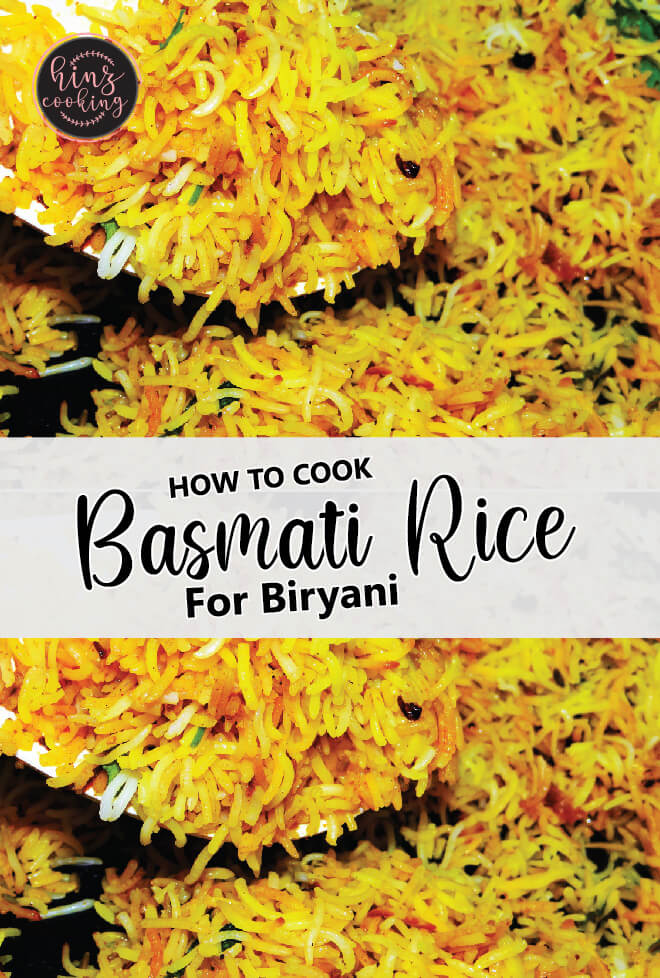
Pro Cooking Tips
- Avoid over soaking to avoid mushy or non fluffy rice.
- 80% Al dente rice – Wash until the water runs clear to remove excess starch.
- Boil rice in a large or deep pan, half filled with water so the rice get the space to rise in size.
- While layering, make sure the curry should not be watery otherwise the rice will get mushy in texture. Here is the guide, how to thicken the curry to avoid this issue.
- Make sure the curry is cooked with proportional biryani masala to get the best texture and color of biryani rice.
- Always use hand crushed crispy biryani onion to use in curry, and to use in layer or garnishing.
- Always prefer to layer the biryani with cook rice. One pot is only pulao so avoid steaming in a single pot.
- These tips will apply on all types of biryani recipes.
Troubleshooting
Why Biryani Rice Goes Wrong & How to Fix It?
| Problem | Cause | Fix |
|---|---|---|
| Rice turns mushy | Overcooked or soaked too long | Stop at 80% doneness |
| Grains break | Stirring too much | Gently lift with a slotted spoon |
| Rice sticks together | Not enough oil or rinsing | Add 1 teaspoon oil to boiling water |
| Rice too hard | Undercooked | Let it cook 1–2 extra minutes |
| Dull color | Under-seasoned water | Add enough salt + a drop of ghee |
Flavor Variations
Flavor Variations for Biryani Rice
1. Chicken Biryani
Chicken releases moderate moisture, so cook the rice 70%–75% done before layering.
- Use fragrant whole spices for mild aroma.
- Add fried onions and tomatoes for a richer base.
- Works best with long-grain aged basmati.
2. Beef Biryani
Beef is heavier and requires longer cooking time.
- Cook the rice 80% done so it stays firm during dum.
- Use robust spices like black cardamom, cloves, and star anise.
- Add a little extra ghee for balanced flavor.
3. Mutton Biryani
Mutton pairs well with slightly more aromatic and spicy masala.
- Rice should be 70% cooked to avoid overcooking when mutton steams.
- Add saffron milk or kewra for traditional degi aroma.
- Dum time is longer, so choose high-quality aged basmati.
4. Vegetable Biryani
Vegetables release more moisture, so rice needs to be 85% cooked.
- Use firm vegetables like carrots, peas, cauliflower, and potatoes.
- Add a spoon of ghee for richness since no meat fat is involved.
- Keep spices mild or medium as per preference.
5. White Biryani
Also known as Sofiyani Biryani, this version uses mild spices and creamy flavors.
- Cook rice 90% done because the masala has less gravy.
- Add milk, cream, or yogurt masala for subtle taste.
- Flavor with whole garam masala, green chilies, and fried onions.
6. Middle Eastern Kabsa or Mandi
These Arab rice dishes use different spices but the biryani rice cooking principles still apply.
- Rice is usually cooked fully (100%) in broth instead of dum-cooking.
- Use kabsa spices: bay leaves, cardamom, dried lime (loomi), cloves, and cinnamon.
- For mandi, rice stays lighter with smoky flavor; for kabsa, it’s more tomato-based.
FAQs
Basmati rice needs to be soaked for 20 to 30 minutes prior to cooking.
This soaking process helps the long grains take in water, become a bit softer, and expand nicely without breaking apart. If you are using Sela (parboiled) basmati, it requires a longer soaking time of around 45 minutes because the grains are tougher. Be careful not to soak for over an hour, as this can make the rice too soft and prone to breaking while boiling.
To prepare rice for biryani, it should be boiled for 6 to 8 minutes over medium-high heat until it is approximately 70% cooked, a stage often referred to as "parboiled" or "¾th done." The grains ought to be tender on the outside while still maintaining a firm texture in the center. If the rice is boiled for too long, it can become mushy, compromising the distinct layered texture that biryani is known for.
👉 When using Sela (parboiled) basmati rice, the boiling duration is a bit longer — typically around 8 to 10 minutes — due to its sturdier structure.
To ensure that basmati rice remains fluffy and distinct, rinse it multiple times until the water is clear to eliminate extra starch, then let it soak for 20–30 minutes. Always prepare it in a generous amount of water (similar to cooking pasta) and drain it when the grains are approximately 70% cooked for biryani. Complete the cooking process by steaming (dum), which results in perfectly elongated, non-sticky grains.
If your biryani rice ends up being hard or not fully cooked, here’s how to fix it:
Sprinkle water or milk (2–3 tbsp) over the rice, cover tightly, and steam on very low heat for 10–15 minutes.
If already layered in biryani, place a damp cloth or foil under the lid and let it dum (steam) — the moisture will soften the rice.
Be careful not to add too much water directly, as this can cause the grains to break and turn mushy.
Rice often turns mushy when:
Too much water is used while boiling or steaming.
Over-soaking the rice makes it absorb excess moisture.
Overcooking breaks the grains and makes them sticky.
Using poor-quality or broken basmati instead of aged, long-grain rice.
Stirring too much during cooking, which damages delicate grains.
If your biryani rice turns out overcooked and mushy, here’s how to fix it:
Spread the rice on a tray and let it cool — this helps stop further cooking and reduces stickiness.
Layer carefully: place the firmer rice at the bottom and the softer rice on top to balance textures.
If it’s very mushy, turn it into a new dish like fried rice, biryani pulao, or use it for stuffed peppers.
Next time, reduce soaking time or use a little less water to avoid overcooking.
🥣 Do you want to try my best biryani recipes?
⭐ Rate this guide below
💬 Drop your questions in the comments
📲 Follow along on Instagram for more recipes.
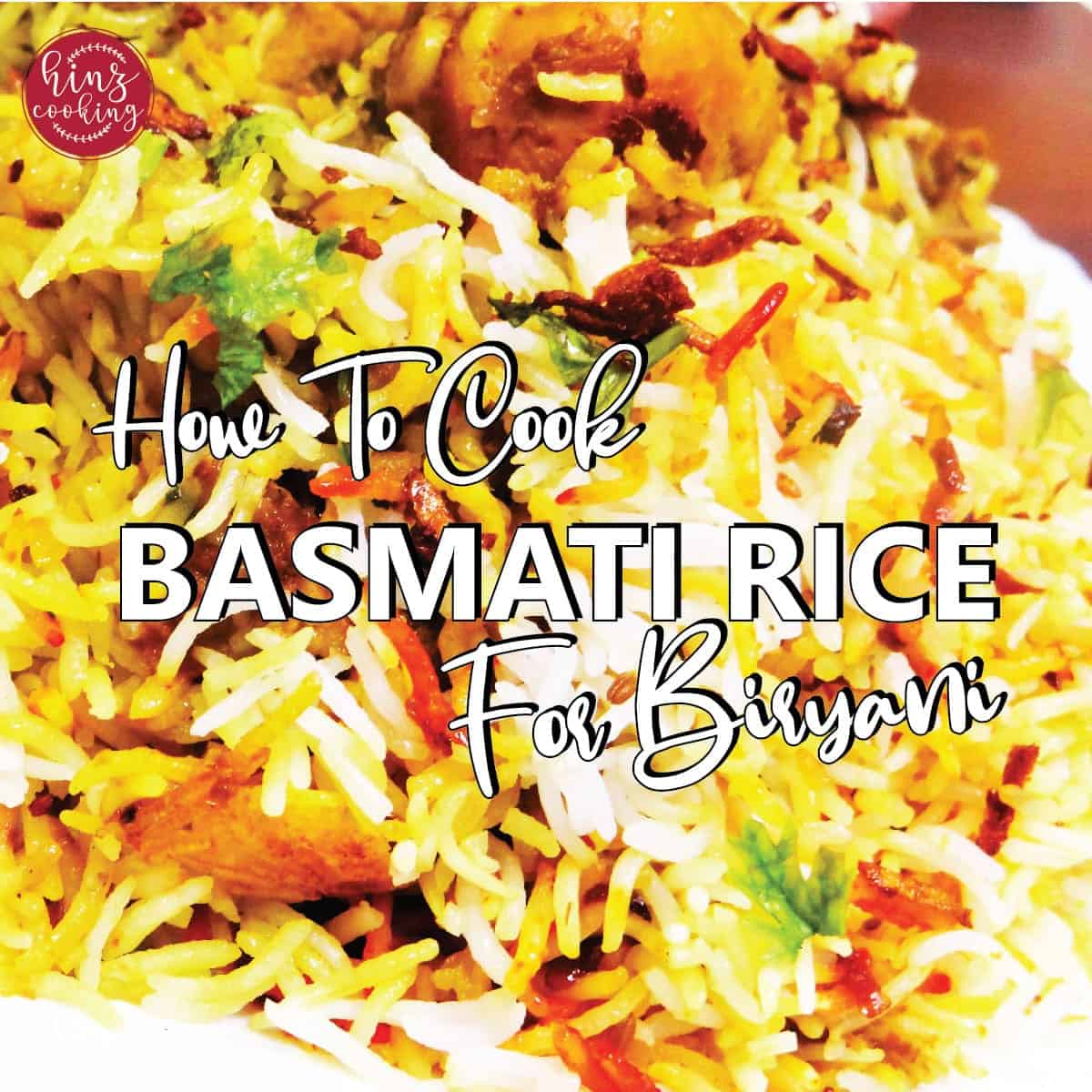
How to Cook Basmati Rice for Biryani (Video)
Ingredients
- 2 cups Basmati Rice Long grain
- 1.5 L Water For Soaking & Boiling
Whole Spices (For Boiling Rice)
- 2 Bay Leaves
- 1 teaspoon Cumin Seeds
- 5 Cloves
- 10 Black Peppercorns
- 1 stick Cinnamon 3 to 4 inches
- 1 Aniseed
- 5 Cardamom
Layering & Steaming
- 2 teaspoon Oil / Ghee
- 500 g Meat Curry (thick) Chicken, Mutton/lamb or Beef
- 1.5 teaspoon Salt
- 2 pinches Biryani Color Edible yellow/red color
- 1 tablespoon Saffron Milk (optional) Add saffron strings in luke warm milk and leave for half an hour
- Herbs (Fresh Coriander and Green chilies) Chopped and sliced
- ½ tablespoon Birista Biryani onions
- 2 teaspoon lemon (optional) freshly squeezed
- 5 drops Biryani essence Substitute: Kewra, Rose water
Instructions
Rinse & Soak Rice
- In a spacious bowl, put 2 cups of dried basmati rice and softly rinse it under tap water until the water runs clear to get rid of any excess starch.
- Soak the rice in fresh water for 20–30 minutes (for regular basmati).Tip: Don't drain the rice for too long! as it can make the rice mushy.
Par Cooking (Boiling & Draining)
- In a large, deep pot (to ensure the rice has enough space to expand), bring 4-6 cups of water to a rapid boil over high heat at stovetop.
- Mix in the salt, ghee/oil, and whole spices (2 Bay Leaves, 1 teaspoon Cumin Seeds, 5 Cloves, 10 Black Peppercorns, 1 stick Cinnamon (3 inches), 1 Aniseed, 5 Cardamom) into the boiling water to impart flavor.
- Cover the pot and bring water to a boil for 10 minutes over high heat, allowing the flavors of the whole garam masala to infuse into the water.
- Now drain water of soaked rice using colander or sieve.
- Carefully place the rice into the hot boiling water and use a pot spoon to stir gently, ensuring it doesn't stick or become cluttered.
- Cover the pan now and let the rice cook on high heat for 3 to 4 minutes to achieve a fluffy texture. We should cook the rice to 80% completion; the remaining will be finished by steaming.
- Check for Doneness: The rice needs to be roughly 80-85% cooked (al dente) at this point. To check, hold a grain and press it between your thumb and forefinger; it should crush but still have a little firmness or a "raw bite" in the center.
- At this stage, carefully drain the water using colander and keep it on a side.
Biryani Layering
- Use a spacious, heavy-bottomed pot and brush it with oil or ghee to avoid the rice from sticking to the surface and edges.
- First Layer (Base): Spread the half batch of boiled rice on pan bottom with the help of spoon. (Check the salt, sprinkle if needed). Now spread the thick meat curry evenly over the rice. Add a full spoon of rice over the curry and top it with freshly chopped coriander, sliced green chilies, birista (crispy brown hand crushed onions).
- Second Layer: Add more rice, spread meat curry, herbs and brown onions.
- Now spread remaining rice and sprinkle the pinches of edible red food color, saffron milk (optional) and squeeze fresh lemon juice to add a sour taste in biryani. If you like pour 2 to 3 drops of rose water/kewra water or biryani essence to get the typical aroma of restaurant, or wedding style biryani.
Steaming (Dum)
- Now, cover the pot to trap the steam and cook the biryani on high heat for 3 to 4 minutes. After that, reduce the heat to low to allow it to steam. Let the biryani steam for 20 minutes.Tip: If you feel that the steam isn't properly sealed inside the pot, consider using aluminum foil or a cloth. If your stove is not set for low flame, place the biryani pot over the griddle to avoid direct heat. These are traditional hacks that you can apply according to situations.
- This steaming or dum process is essential for achieving a flavorful, vibrant, and fluffy biryani, so be sure to manage it carefully. Avoid steaming for too long, as it can make the rice mushy.
Rest & Serve
- After steaming, turn off the heat and let the biryani sit for 10 to 15 minutes to settle. Then, gently and carefully mix the rice from the sides of the pan.Pair it with raita and kachumber salad.
Video
Notes
- Avoid over soaking to avoid mushy or non fluffy rice.
- 80% Al dente rice – Wash until the water runs clear to remove excess starch.
- Boil rice in a large or deep pan, half filled with water so the rice get the space to rise in size.
- While layering, make sure the curry should not be watery otherwise the rice will get mushy in texture. Here is the guide, how to thicken the curry to avoid this issue.
- Make sure the curry is cooked with proportional biryani masala to get the best texture and color of biryani rice.
- Always use hand crushed crispy biryani onion to use in curry, and to use in layer or garnishing.
- Always prefer to layer the biryani with cook rice. One pot is only pulao so avoid steaming in a single pot.
- These tips will apply on all types of biryani recipes.
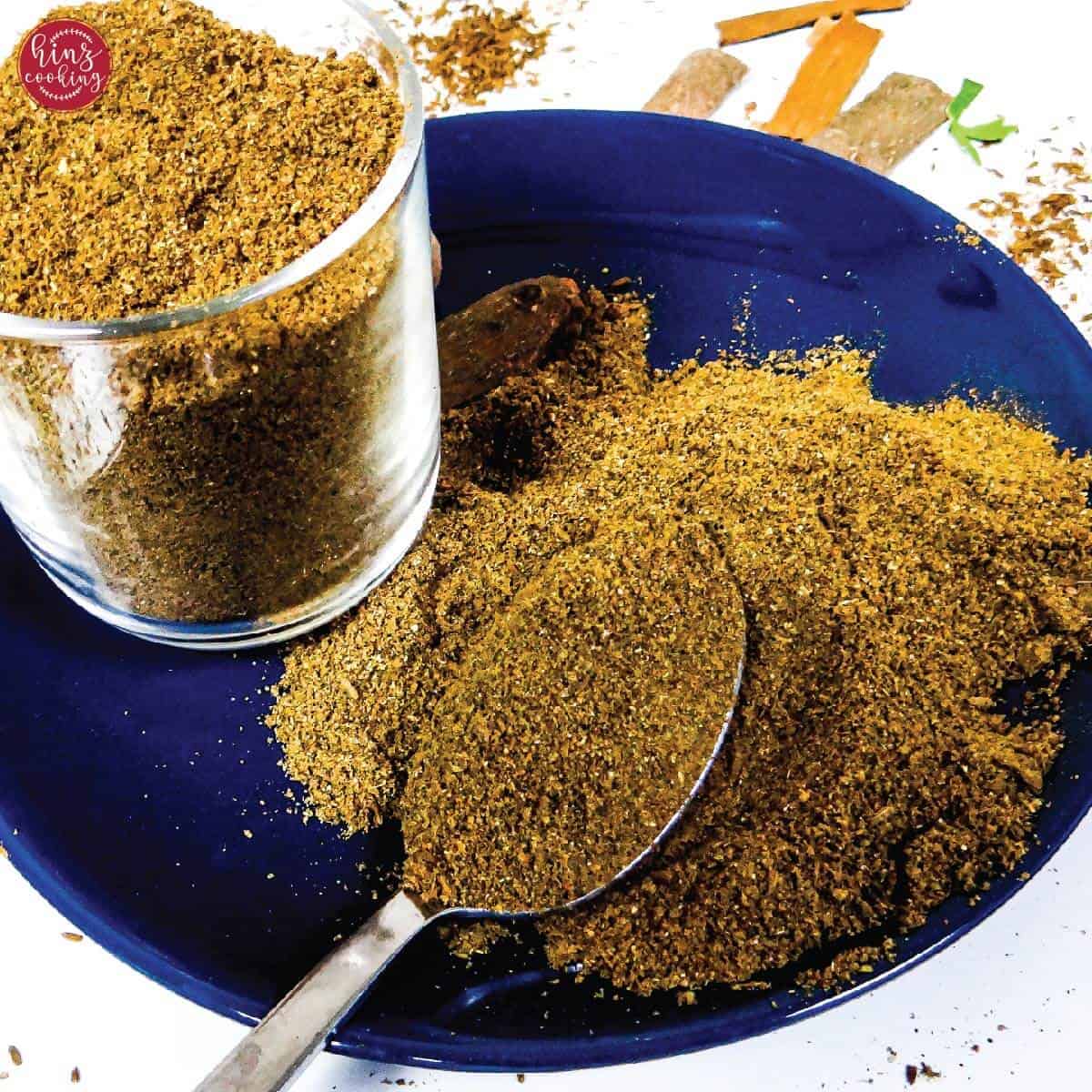

Hinz
Quick & Easy Biryani rice recipe that will help to make perfect biryani at home...
Zig
what curry paste are you using to layer and how much?
Hinz
This is a korma-style curry paste that can be prepared with or without meat. For a traditional biryani recipe use, approximately 300g (around 1.5 cups) of basmati rice and paired with 3 to 4 tablespoons of korma curry paste.