
Living in Dubai puts you inside a city where you can eat almost any cuisine in the world on the same street. The first time I had Cajun spaghetti at a restaurant here, I could not stop thinking about the combination — Louisiana heat and smoke meeting Italian cream sauce, sitting on the same plate, working perfectly together. Two completely different food traditions fusing in one bowl.
I went home and made my own version the same week. I have been making it ever since, adjusting the spice balance, testing it with different proteins, and figuring out exactly what the sauce needs to be genuinely creamy rather than just heavy. This is the recipe I landed on — creamy, smoky, spiced just enough to notice, and done in 30 minutes on one pan.
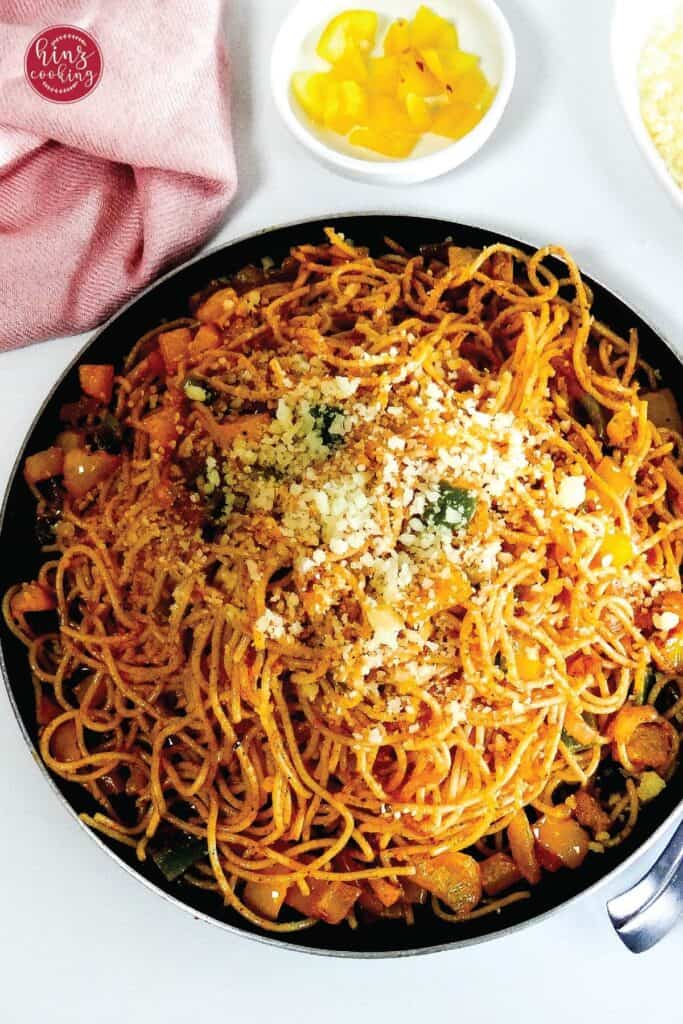
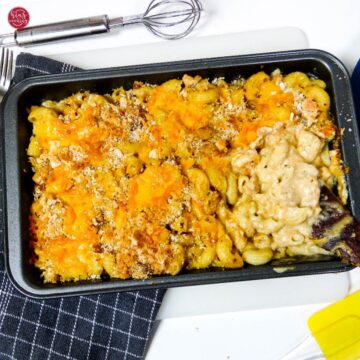
Love pasta? here are some ideas to try: Cajun Chicken Mac & Cheese, Easy Cajun Alfredo Sauce for Pasta, and Macarona Bechamel
Jump to:
- What is Cajun Spaghetti?
- Why Does This RecipeWork?
- Ingredients & Substitutions
- How To Make Cajun Spaghetti
- Protein Cooking Guide — How To Add Chicken, Shrimp, Or Sausage
- Variations
- Tips & Pro Notes From Experience
- How To Store & Reheat
- What To Serve With Cajun Spaghetti
- FAQs
- More Pasta Ideas
- Cajun Spaghetti Recipe — Creamy Louisiana-Style Pasta
What is Cajun Spaghetti?
Cajun spaghetti is a fusion pasta dish that combines Italian-style spaghetti with bold Louisiana Cajun flavors — specifically the "holy trinity" of onion, bell pepper, and celery (or onion and bell pepper in simplified versions), Cajun seasoning, garlic, and a Parmesan cream sauce. The result is a spicy, smoky, comforting pasta that can be made vegetarian or loaded with protein like chicken, shrimp, or sausage.
The Cajun holy trinity — what it is and how it works
Classic Cajun cooking is built on a base of three aromatics called the "holy trinity" — onion, bell pepper, and celery. These three vegetables, cooked together in oil or butter, form the foundation of almost every traditional Louisiana dish from gumbo to jambalaya to this spaghetti.
In this recipe, celery is listed as optional. The onion and bell pepper alone produce a deeply flavorful base. Adding celery brings a slightly earthy, herbal note that makes the sauce taste closer to a traditional Louisiana original. Use it if you have it — skip it if you don't. The dish works beautifully either way.
The Cajun and Creole difference — which one to use
Both Cajun and Creole seasoning are Louisiana spice blends built around paprika, garlic powder, onion powder, and herbs — but they are not identical.
Cajun seasoning is spicier. It uses more cayenne and black pepper. This is the seasoning that gives the pasta its distinctive heat and smoky kick. It is what this recipe calls for.
Creole seasoning is milder and more herb-forward. It has the same base spices as Cajun but significantly less cayenne. If you are cooking for children or prefer a gentle spice level, swap Cajun for Creole seasoning in equal quantity. The flavor profile stays similar — the heat drops considerably.
Homemade vs store-bought: I use homemade Cajun seasoning — the blend is fresher and you can adjust the cayenne to your exact preference. Store-bought works well too. If using store-bought, taste before adding salt — many commercial Cajun blends contain significant sodium.
Why Does This RecipeWork?
- Bold, smoky Cajun flavors in every bite.
- A quick 30-minute dinner idea.
- Easy to make and comforting pasta dish.
- Family-friendly, yet elegant enough for guests.
- Perfect one-pan pasta recipe for busy nights.
Wondering if kids will enjoy this spaghetti? Don’t worry! You can easily adjust the spice level by reducing the Cajun seasoning. Another option is to swap it with a Creole blend — it looks similar but has a much milder heat, making it more kid-friendly.
Ingredients & Substitutions
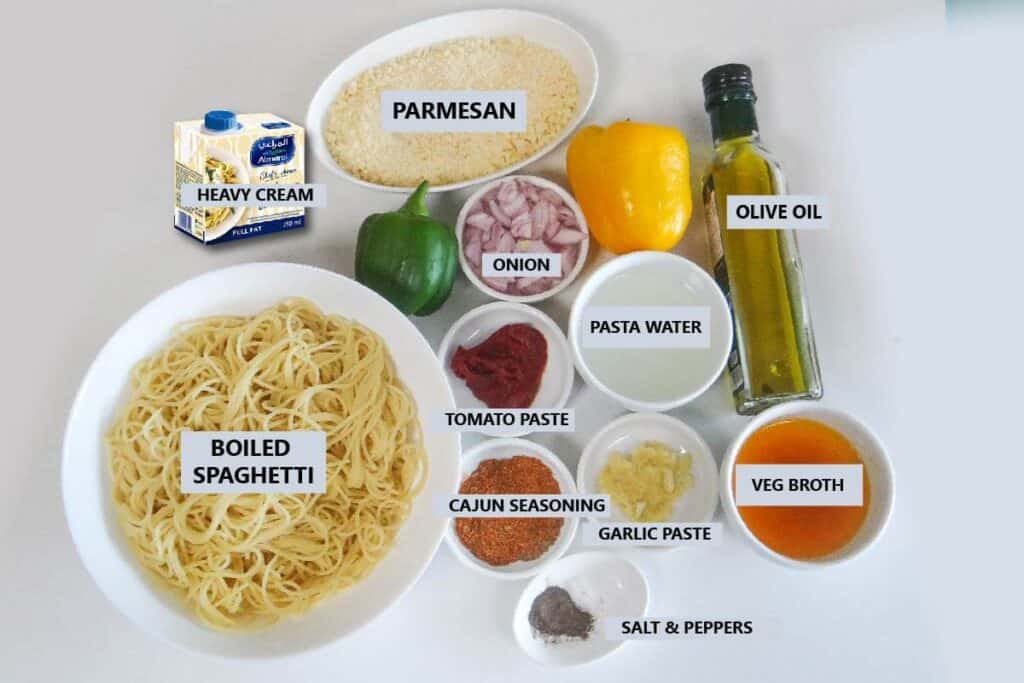
150g spaghetti — or substitute penne, fettuccine, linguine, or rigatoni. Any pasta works with this sauce; spaghetti is traditional for this recipe.
1 tablespoon olive oil — extra virgin for sautéing. Substitute with butter for a richer flavor base.
1 teaspoon fresh garlic, finely minced — fresh only. Garlic paste or powder will not give the same aromatic depth in the sauce.
1 medium onion, finely diced
1 medium bell pepper (green + yellow combination) — green gives slight bitterness that cuts through the cream; yellow adds sweetness and color. Use red for a sweeter result.
1 stalk celery, finely chopped (optional) — adds an earthy, herbal note and brings the recipe closer to the authentic Cajun holy trinity. Skip if unavailable.
2 teaspoons tomato paste — adds umami, subtle tang, and helps deepen the color of the sauce. Do not skip — it is the bridge between the sautéed vegetables and the cream.
1 tablespoon Cajun seasoning — homemade or store-bought. Adjust up or down for your heat preference.
Salt and black pepper — to taste. Add salt conservatively if your Cajun blend already contains sodium.
½ cup reserved pasta water — the starch in pasta water helps the cream sauce cling to every strand of spaghetti rather than pooling at the bottom of the bowl. This is the technique restaurant kitchens use to finish pasta correctly. Always reserve it before draining.
½ cup heavy cream — full fat only. Low-fat substitutes will split in the pan. Add at low heat to prevent curdling.
¼ cup Parmesan cheese, freshly grated — Parmigiano Reggiano (Halal-certified) gives the best flavor. Use fresh-grated rather than pre-shredded — anti-caking agents in pre-shredded cheese can make the sauce grainy.
Optional garnish: Fresh parsley, extra Parmesan, red chili flakes
Note for halal cooking: All ingredients in this base recipe are halal-friendly. The Parmesan I use is Halal-certified Parmigiano Reggiano, available in most major supermarkets in the UAE and at halal grocery stores worldwide. When adding protein, use halal-certified chicken, shrimp, or lamb sausage.
How To Make Cajun Spaghetti
Prep time: 10 minutes | Cook time: 20 minutes | Total: 30 minutes | Serves: 3–4
Step 1 — Cook the spaghetti
Bring a large pot of water to a boil. Add 1 teaspoon of salt (generously — pasta water should taste lightly salty, like a mild broth). Add the spaghetti and cook for 8–9 minutes until al dente — firm to the bite, not soft.
Before draining: scoop out ½ cup of pasta water and set aside. This starchy water is essential to the sauce.
Drain the spaghetti. Toss lightly with a drizzle of olive oil to prevent clumping while you prepare the sauce. Set aside.
Step 2 — Sauté the aromatics
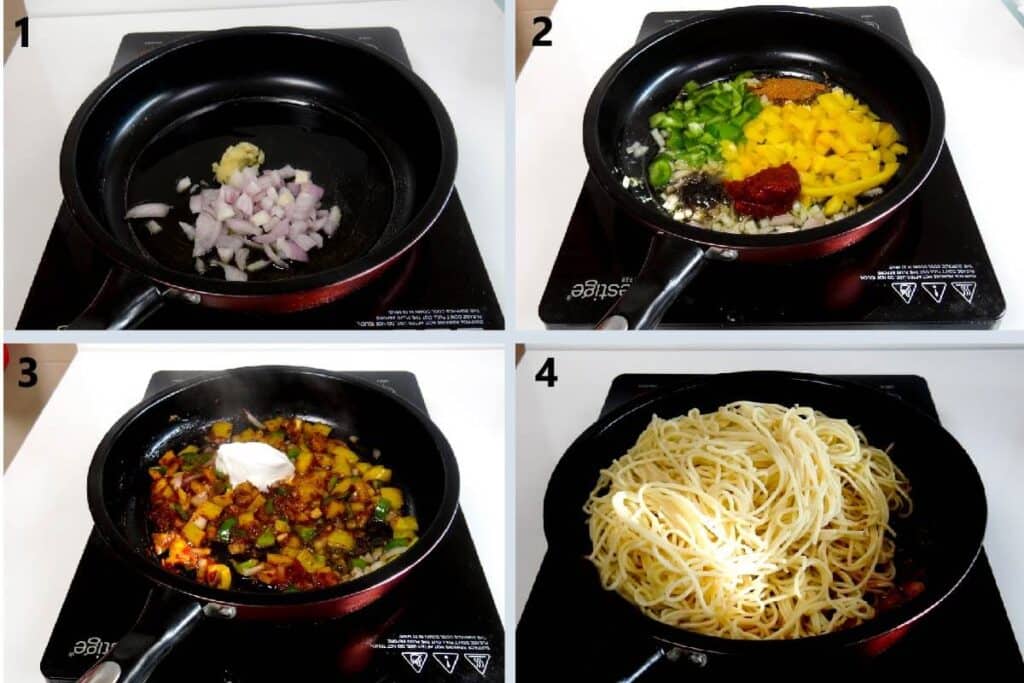
Heat 1 tablespoon olive oil in a wide skillet or pan over medium heat.
Add the garlic and sauté for 30–45 seconds until fragrant — do not let it brown. Add the diced onion and cook for 3–4 minutes, stirring occasionally, until soft and translucent.
If using celery, add it at the same time as the onion — it takes the same amount of time to soften.
Add the bell peppers and cook for 2 minutes until slightly softened but still with some texture. Bell pepper should retain a little crunch in the finished dish.
At this stage, if you are adding protein — chicken, shrimp, or sausage — add it now before the tomato paste. See the protein cooking guide below.
Step 3 — Build the sauce
Add the tomato paste directly to the pan and stir to coat the vegetables. Cook for 1–2 minutes — this brief cooking step removes the raw tomato taste and deepens the color.
Add the Cajun seasoning, salt, and black pepper. Stir well and cook for 30 seconds to bloom the spices in the oil.
Deglaze the pan with ¼ cup of the reserved pasta water. Stir well — the pasta water will pick up all the caramelized bits from the bottom of the pan and incorporate them into the sauce. This is where a significant amount of flavor lives.
Step 4 — Add the cream
Reduce heat to low. This is important — cream added to a hot pan will split.
Pour the heavy cream slowly into the pan, stirring continuously as you pour. Keep heat on low until the cream is fully incorporated and the sauce looks uniform and smooth. Then raise the heat to medium and let it gently bubble for 2–3 minutes until the sauce begins to thicken.
If the sauce is too thick, add the remaining pasta water 1 tablespoon at a time to adjust consistency.
Step 5 — Combine and finish
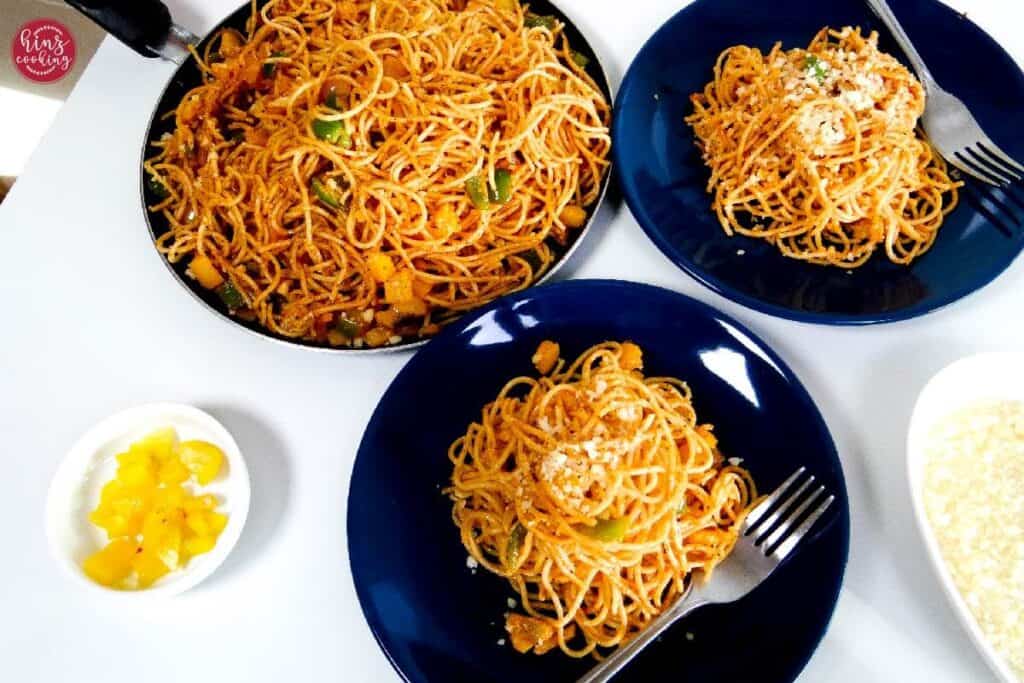
Add the drained spaghetti to the pan and toss gently using tongs until every strand is coated in the Cajun cream sauce.
Add the Parmesan cheese and toss again — the cheese will melt into the sauce from the residual heat.
Taste and adjust: more Cajun seasoning for heat, more Parmesan for richness, a squeeze of lemon juice to brighten if the sauce feels heavy.
Plate immediately. Cajun cream sauce thickens as it cools — serve right away.
Protein Cooking Guide — How To Add Chicken, Shrimp, Or Sausage
Add your protein in Step 2 after the aromatics are sautéed. Here is how to cook each option correctly:
Cajun chicken
Season 200g boneless chicken breast or thigh (cut into bite-sized strips) with ½ teaspoon Cajun seasoning and ¼ teaspoon smoked paprika. Push the sautéed aromatics to the sides of the pan. Add 1 teaspoon of oil to the centre and add the chicken in a single layer. Cook on high heat for 3–4 minutes without stirring — let it sear and develop color. Turn and cook for 2–3 more minutes until cooked through. Do not move it constantly — undisturbed contact with the hot pan creates the Cajun-spiced crust that makes the chicken interesting. Mix the chicken back through the aromatics before adding the tomato paste.
Cajun shrimp
Season 200g peeled and deveined shrimp with ½ teaspoon Cajun seasoning. Add to the pan after the aromatics are soft. Cook over high heat for 1–2 minutes per side until pink and just curled. Shrimp overcooks in under a minute — remove from the pan the moment it turns pink and add it back in the final toss step, not in the sauce.
Halal lamb or chicken sausage
Slice into rounds. Cook in a dry pan (no oil needed — the fat in the sausage is enough) over medium-high heat for 3–4 minutes per side until browned and slightly caramelized on the cut sides. Add to the sauce before the cream step. The browned sausage fat enriches the sauce significantly.
Salmon
Season a salmon fillet with Cajun seasoning. Cook skin-side down in a separate pan for 4–5 minutes, then flip for 2 minutes. Flake into large pieces and add to the pasta at the final toss step rather than cooking it into the sauce — flaking it in at the end preserves the texture.
Variations
Spice levels:
- Mild: Use Creole seasoning instead of Cajun (same quantity) — significantly less heat, same aromatic profile
- Medium: 1 tablespoon Cajun seasoning as written
- Hot: Add ½ teaspoon cayenne pepper or 1 teaspoon Louisiana hot sauce alongside the Cajun seasoning
- Extra hot: Double the Cajun seasoning to 2 tablespoons
Pasta swaps: Penne holds the cream sauce inside its ridges and is the best substitute if spaghetti is unavailable. Fettuccine is a wider noodle that gives a more restaurant-style presentation. Rigatoni works excellently for baked versions.
Dairy-free version: Substitute heavy cream with full-fat coconut cream (not coconut milk — too thin) and skip the Parmesan. Add 1 tablespoon of nutritional yeast for a subtle cheesy flavor. The result is slightly sweeter but genuinely good.
Make it a casserole: After tossing the pasta with the sauce, transfer to a baking dish. Top with 50g shredded mozzarella and 2 tablespoons Parmesan. Bake at 200°C / 400°F for 15 minutes until bubbling and golden on top. This is Cajun spaghetti casserole — a completely different serving style from the same recipe.
Vegetable additions: Spinach wilts directly into the hot sauce in the final 30 seconds — stir in a large handful just before serving. Mushrooms added after the aromatics give an earthy, meaty body to the vegetarian version. Zucchini works well sliced thin and sautéed with the bell peppers.
One-pot version: Instead of boiling the pasta separately, add 150g dry spaghetti directly to the sauce after the cream step. Pour in 400ml water or chicken stock. Cover and cook on medium heat for 10–12 minutes until the pasta is cooked through and has absorbed the liquid. Stir frequently to prevent sticking. The pasta cooks inside the sauce and absorbs all the Cajun flavor — the result is denser and more intensely flavored than the two-pot version.
Tips & Pro Notes From Experience
Keep the heat low when adding cream. This is the most common failure point. A hot pan causes the fat in the cream to separate from the liquid and the sauce becomes greasy rather than silky. Reduce to low, add the cream slowly, and raise the heat only after it is fully incorporated.
Taste before adding salt. Commercial Cajun seasoning blends vary significantly in sodium content. Some contain as much as 400mg sodium per teaspoon. Season conservatively at first — you can always add, but you cannot remove.
Do not rinse the pasta. Rinsing removes the surface starch that helps the sauce cling. Drain, toss with a little oil to prevent clumping, and add to the sauce while it is still warm.
The pasta water is not optional. It feels like a small detail but it makes a real difference to the finished texture of the sauce. Set a cup or ladle next to the pot before you drain — it is easy to forget in the moment.
Parmesan quality matters. The pre-grated supermarket Parmesan in the green shaker contains anti-caking agents that can make cream sauces grainy. Buy a small block of Parmigiano Reggiano and grate it yourself — it melts cleanly into the sauce.
Serve immediately. Cajun cream sauce thickens considerably as it cools. If it thickens too much before serving, add a splash of warm milk or pasta water and stir vigorously over low heat to loosen it.
How To Store & Reheat
Refrigerator: Store in an airtight container for 3–4 days. The pasta will absorb most of the sauce overnight — this is normal.
Reheating — stovetop (best method): Add the pasta to a skillet with 2–3 tablespoons of milk, cream, or water. Cover and heat on low (steam method) for 3–4 minutes, stirring gently. This restores the sauce consistency and the result tastes like freshly made pasta. This is the method I use — the microwave is faster but the stovetop result is significantly better.
Reheating — microwave: Add a splash of milk or cream over the pasta. Cover with a damp paper towel. Microwave for 2–3 minutes on medium power, stirring halfway through.
Freezing: I do not recommend freezing this dish with cream in the sauce — cream-based sauces tend to separate when thawed. If you want to make a batch ahead, freeze the spaghetti and the Cajun vegetable base separately (without cream). Add fresh cream and Parmesan when reheating.
What To Serve With Cajun Spaghetti
Bread for scooping:
- Garlic knots or garlic bread — the most natural pairing
- Homemade pizza dough rolled flat and baked into a flatbread — good for informal dinners
- Toasted baguette slices
For a complete meal:
- A simple green salad with lemon vinaigrette cuts through the richness of the cream sauce
- Air fryer garlic bread crisps if you want a lighter alternative to full garlic bread
More Cajun recipes to complete the spread:
- Cajun Garlic Butter Sauce — serve alongside for extra heat on grilled proteins
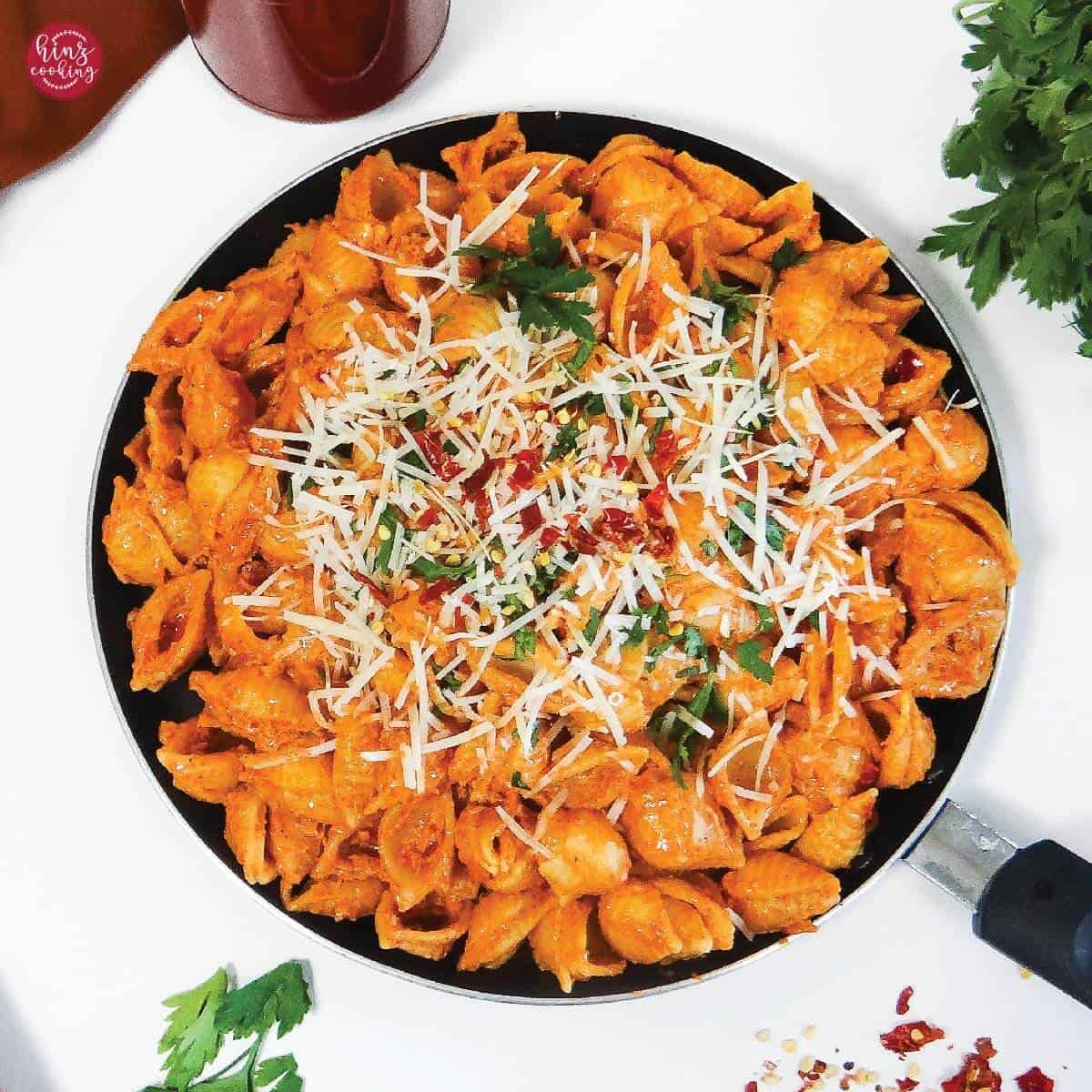
- Cajun Alfredo Sauce — the cream sauce version without the vegetable base
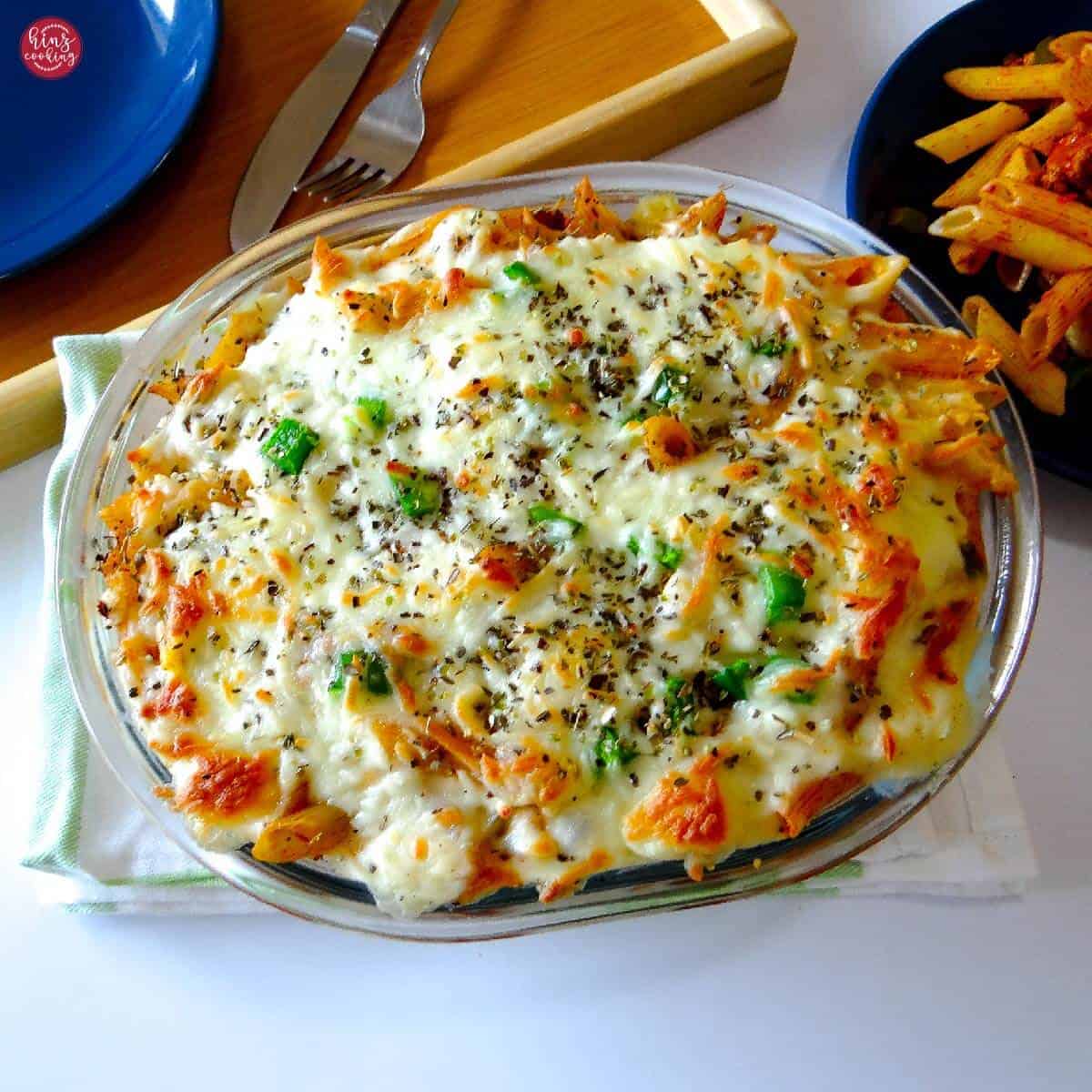
- Cajun Chicken Mac & Cheese — the comfort food alternative for the same Cajun spice profile
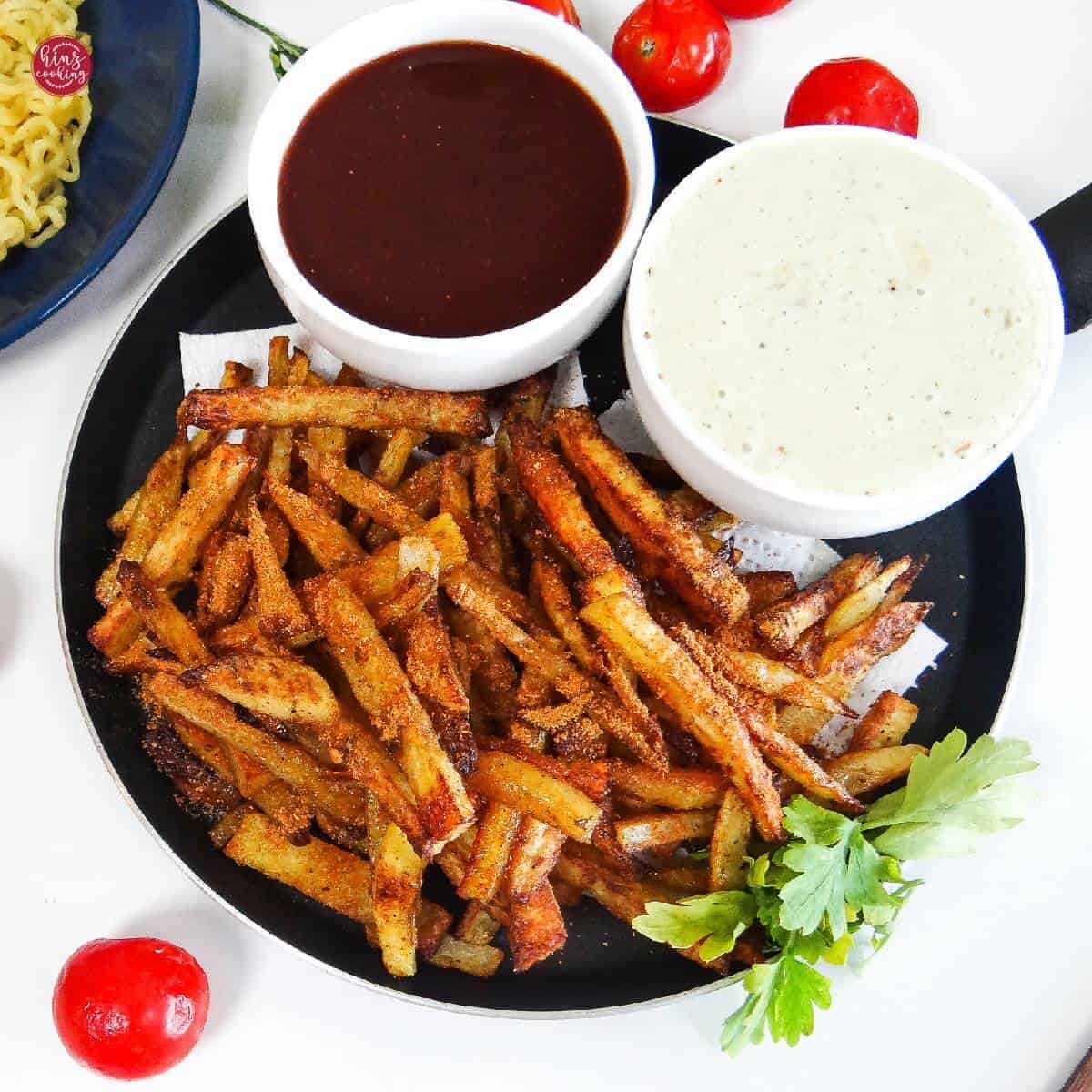
- Five Guys Cajun Fries — serve as a side for a full Cajun-themed dinner
FAQs
Cajun spaghetti is a fusion pasta dish that combines spaghetti with a creamy Louisiana-inspired sauce made from Cajun seasoning, bell peppers, onion, garlic, tomato paste, and Parmesan cream. It brings the bold, smoky, spicy flavors of Louisiana Cajun cooking together with Italian pasta in a 30-minute weeknight dinner.
Both are Louisiana spice blends using paprika, garlic powder, onion powder, and herbs. Cajun seasoning contains more cayenne pepper — it is spicier and smokier. Creole seasoning is milder and more herb-forward. For this recipe: use Cajun for the proper heat level, Creole for a family-friendly milder version. The flavor profile is similar but the heat difference is significant.
Yes — the base recipe is fully halal-friendly. All vegetables, cream, and Halal-certified Parmesan are used. For protein, use halal-certified chicken breast, large shrimp, or halal lamb or chicken sausage. Avoid conventional andouille sausage which is pork-based.
Yes. Penne, fettuccine, linguine, and rigatoni all work well with this sauce. Penne is the best substitute — its ridged surface holds the cream sauce particularly well.
The heat was too high when the cream was added. Always reduce to low heat before adding cream to a hot pan. Pour it slowly while stirring continuously. Once incorporated, raise the heat gradually to medium to thicken. Never add cream to a bubbling or very hot pan.
Simmer uncovered on medium heat for an extra 2–3 minutes after adding the cream. The sauce will thicken as liquid evaporates. Alternatively, add an extra tablespoon of Parmesan — the protein in the cheese also thickens cream sauces.
Add reserved pasta water one tablespoon at a time, stirring between each addition, until the sauce reaches the right consistency.
Yes. Substitute heavy cream with full-fat coconut cream for a dairy-free version — slightly sweeter but genuinely good. Or use whole milk with 1 tablespoon of butter and 1 teaspoon of flour as a roux — bring to a low simmer for 3 minutes before adding the pasta.
The full Cajun seasoning quantity gives a medium spice level. For children: use half the Cajun seasoning and substitute the remaining half with sweet paprika. Or replace all the Cajun seasoning with Creole seasoning which is significantly milder.
3–4 days in an airtight container. Reheat with a splash of milk or cream on the stovetop over low heat for best results.
Yes. After tossing the pasta in the sauce, transfer to a baking dish. Top with 50g shredded mozzarella and 2 tablespoons Parmesan. Bake at 200°C / 400°F for 15 minutes until bubbling and golden.
Explore Popular Cajun Recipes: Cajun Chicken Mac and Cheese | Cajun Garlic Butter Sauce | Cajun Alfredo Sauce | Copycat Five Guys Cajun Fries Recipe
More Pasta Ideas

🥣 Love this Cajun Spaghetti?
⭐ Rate this recipe below
💬 Drop your questions in the comments
📲 Follow along on Instagram for more recipes.
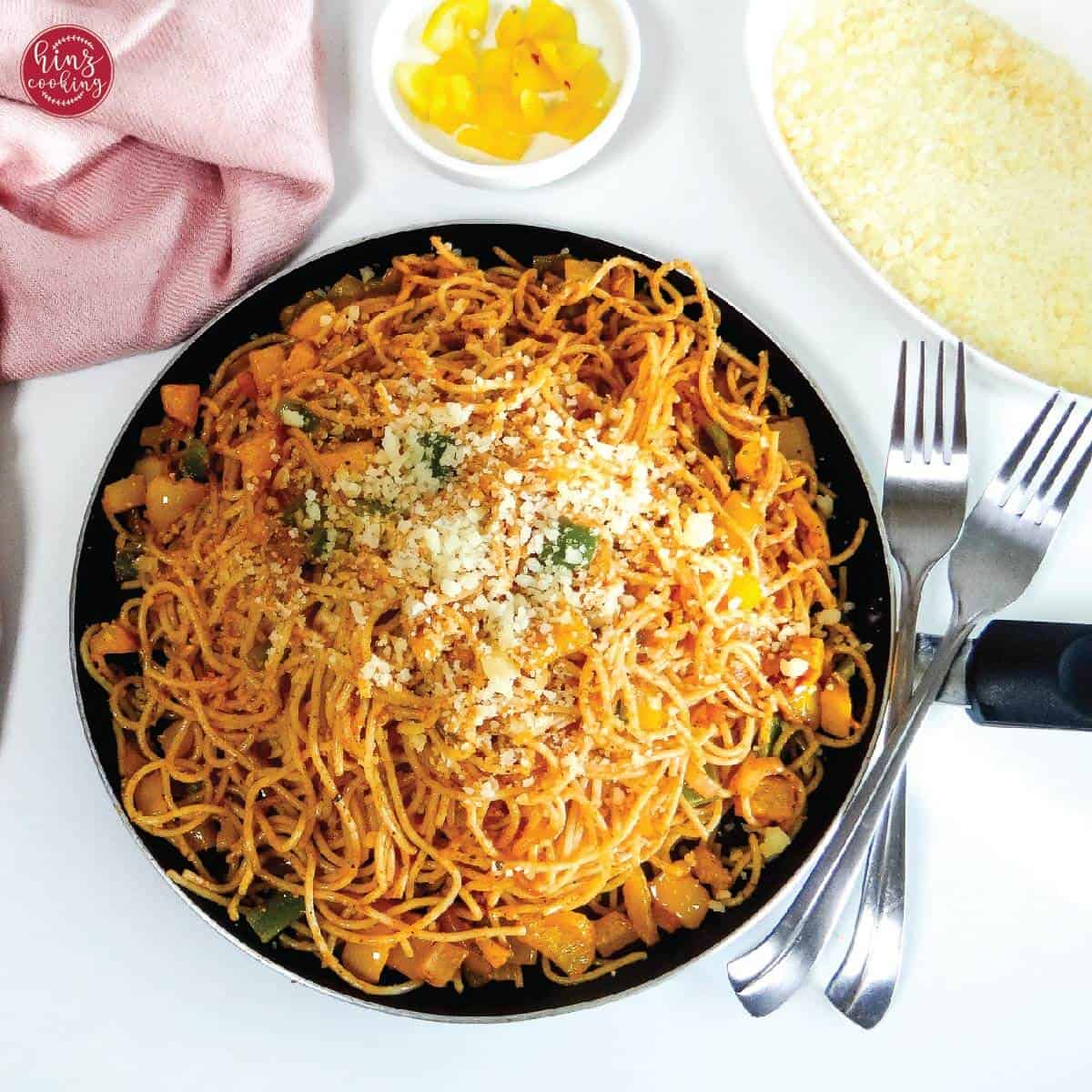
Cajun Spaghetti Recipe — Creamy Louisiana-Style Pasta
Ingredients
- 150 g Spaghetti or substitute penne, fettuccine, or linguine
- 1 tablespoon Olive Oil
- 1 teaspoon fresh garlic finely minced
- 1 cup Onion finely diced (Medium Size )
- 1 Medium Size Bell pepper (green + yellow), diced use one of each for color
- 1 Celery stalk, finely chopped optional, completes the holy trinity
- 2 teaspoons Tomato paste
- 1 tablespoon Cajun seasoning homemade or store-bought (adjust for heat)
- ⅓ teaspoon Salt taste before adding, Cajun blends vary in sodium
- ⅓ teaspoon Black Pepper
- 1 tablespoon Pasta water or Veg Broth/Chicken Broth
- 0.5 cup Heavy cream
- 0.3 cup Parmesan cheese, freshly grated Halal-certified Parmigiano Reggiano
- 2 tablespoon fresh parsley or cilantro for garnish
Instructions
Cook spaghetti and reserve pasta water:
- Bring a large pot of salted water to a rolling boil. Add150 grams spaghetti — or substitute penne, fettuccine, or linguine and cook for 8–9 minutes until al dente — firm to the bite, not soft. Before draining, scoop out 0.5 cups reserved pasta water — starchy, do not substitute with tap water and set aside — this starchy water is essential to the sauce. Drain the pasta and toss lightly with a drizzle of olive oil to prevent clumping. Set aside.
Sauté the aromatics:
- Heat 1 tablespoons olive oil in a wide skillet over medium heat. Add 1 teaspoons fresh garlic, finely minced and sauté for 30–6 minutes until fragrant — do not let it brown. Add 1 cups onion, finely diced and cook for 3–4 minutes until soft and translucent. If using 1 celery stalk, finely chopped — optional, completes the holy trinity, add it with the onion — it takes the same time to soften. Add 1 bell pepper (green + yellow), diced — use one of each for color and cook for 2 minutes until slightly softened but still with texture.
Build the Cajun sauce:
- Add 2 teaspoons tomato paste to the pan and stir to coat the vegetables. Cook for 1–3 minutes to remove the raw tomato taste and deepen the color. Add 1 tablespoons Cajun seasoning — homemade or store-bought (adjust for heat), ⅓ teaspoons salt — taste before adding, Cajun blends vary in sodium, and ⅓ teaspoons black pepper. Stir and cook for 30 seconds to bloom the spices in the oil. Deglaze with ¼ cup of the reserved pasta water — stir well to lift all the caramelized bits from the bottom of the pan. This is where a significant amount of flavor lives.
Add cream on low heat:
- Reduce heat to LOW — this is critical. Cream added to a hot pan will split and become greasy. Pour 0.5 cups heavy cream — full fat only, low-fat will split slowly into the pan, stirring continuously as you pour. Keep on low heat until fully incorporated and the sauce looks smooth and uniform. Raise heat to medium and simmer gently for 2–3 minutes until the sauce begins to thicken. If too thick, add the remaining pasta water one tablespoon at a time.
Combine pasta and finish:
- Add the drained spaghetti to the pan. Toss gently using tongs until every strand is coated in the Cajun cream sauce. Add 0.3 cups Parmesan cheese, freshly grated — Halal-certified Parmigiano Reggiano and toss again — the cheese melts from the residual heat. Taste and adjust: more Cajun seasoning for heat, more Parmesan for richness, a squeeze of lemon to brighten if the sauce feels heavy.
Plate and serve immediately:
- Plate immediately — Cajun cream sauce thickens as it cools. Garnish with 2 tablespoons fresh parsley or cilantro, for garnish and a pinch of extra Cajun seasoning or red chili flakes if desired. Serve alongside garlic bread or a simple green salad. For a complete Cajun spread, serve with Cajun Garlic Butter Sauce on the side.
Leave a Reply