
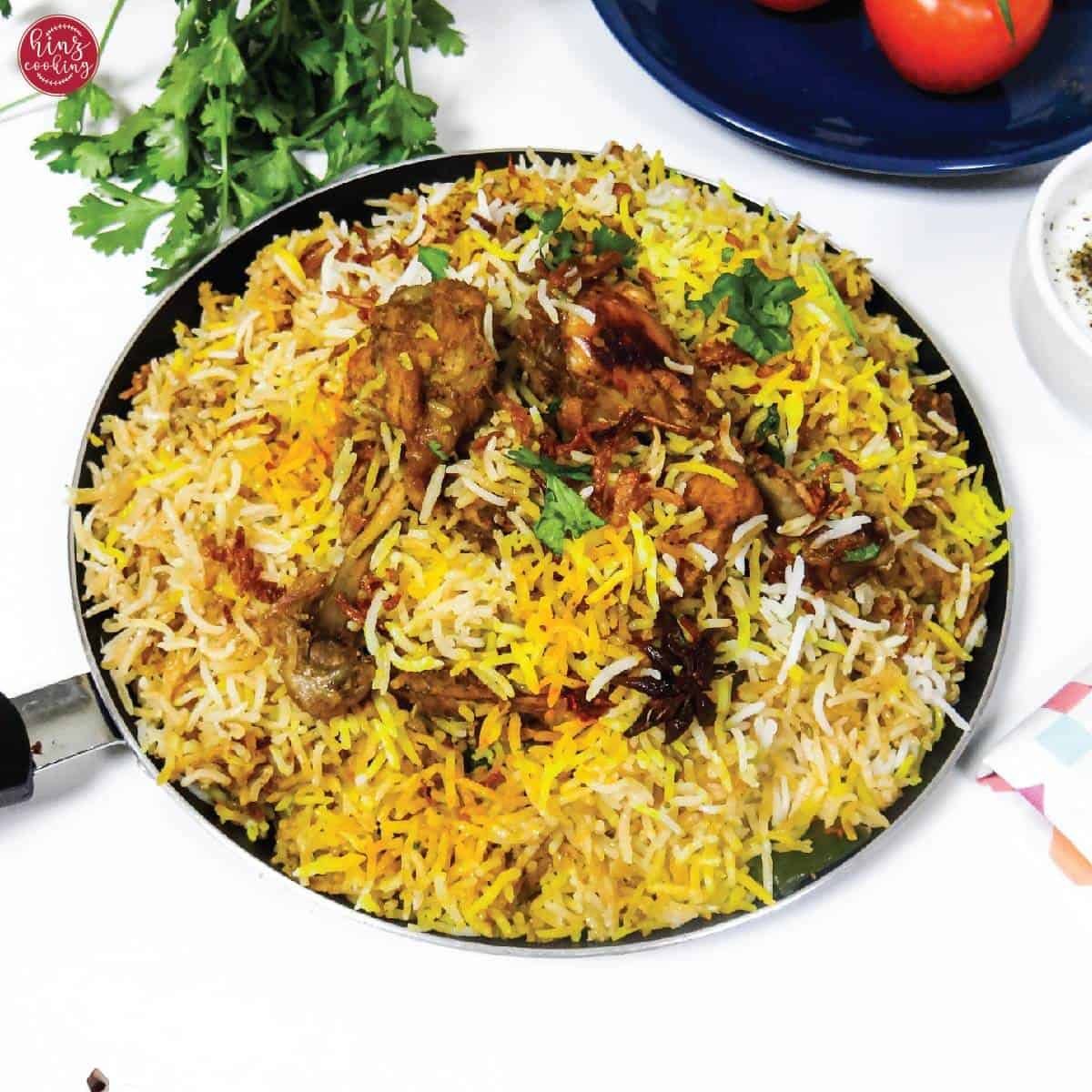
Of all the biryanis I make — and I make a lot of them — Sindhi biryani is the one that fills the kitchen fastest. Before the lid even comes off, the aroma of tomatoes, whole spices, and slow-cooked chicken has already done its work.
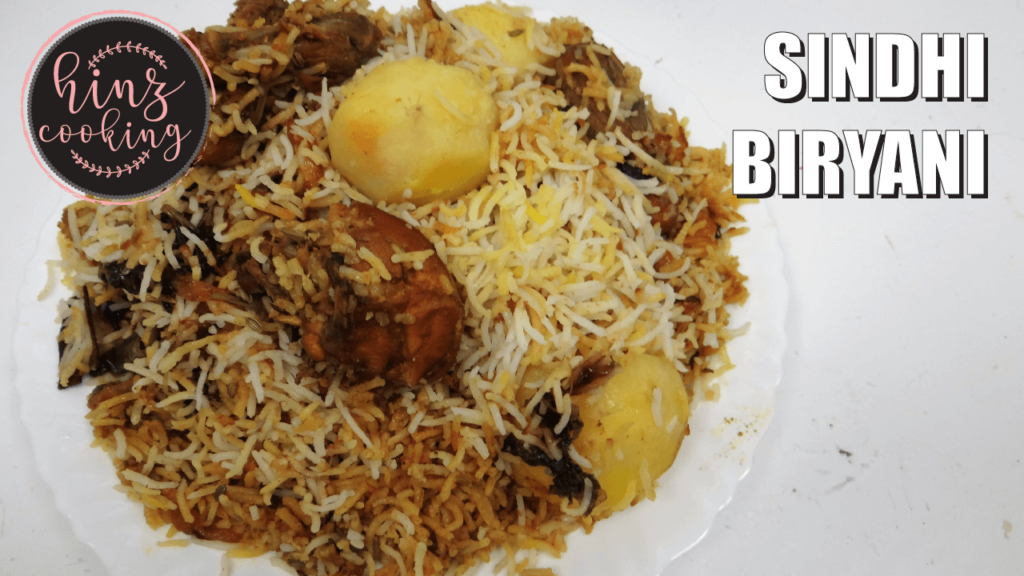
Sindhi biryani is Pakistan's most fiercely flavoured rice dish. It originates from the Sindh province and carries that region's characteristic boldness: a heavy tomato masala, a generous hand with green chillies, dried sour plums (aloo bukhara) that dissolve into a sweet-tangy undercurrent, and whole potatoes that absorb every drop of the spiced gravy. It is louder than Hyderabadi biryani. More complex than standard Pakistani biryani. And, I would argue, the most satisfying of all the biryanis to eat.
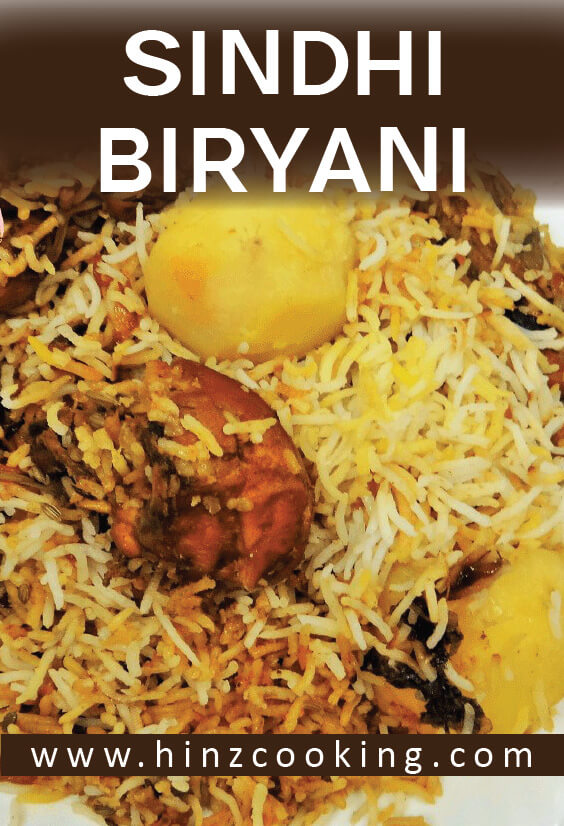
This recipe comes from a professional Sindhi cook I met in Hyderabad — a man who had been making this dish in his restaurant kitchen every single day for years. I have cooked it hundreds of times since, in Karachi and now in Dubai, adjusting and testing until it works reliably in any home kitchen. This is that recipe.
Biryani is my greatest passion in the kitchen. Over fifteen years I have tested and perfected every major style — from Karachi to Hyderabadi to this Sindhi version — along with every supporting recipe that makes biryani work: homemade biryani masala, crispy birista, and the perfect raita. If you want to go deeper, my complete biryani guide → has everything in one place.
Watch - How did I make Sindhi Biryani
What Makes Sindhi Biryani Different?
If you have eaten Hyderabadi biryani at an Indian restaurant and are wondering how Sindhi biryani differs — they are almost completely different dishes that share a cooking method.
The masala is tomato-forward and bold. Sindhi biryani is built on a heavy, deeply cooked tomato base combined with yogurt. This gives the curry a tangy, slightly sharp depth that Hyderabadi biryani (which uses no tomatoes at all) does not have.
Aloo bukhara — the signature ingredient. Dried sour plums, added whole to the curry, are what define Sindhi biryani above anything else. They soften during dum cooking and create a sweet-sour note underneath all the heat. You bite into one mid-bowl and it balances everything. Do not skip them.
Potatoes — always. Large pieces of potato are cooked separately to preserve their colour and texture, then layered into the biryani. They absorb the masala during dum and become the most flavourful thing in the pot. (More on the potato technique below.)
More green chillies than any other biryani. Sindhi biryani is not shy. Whole green chillies go into the masala and between the layers. You can reduce the amount — the flavour will still be excellent — but the heat is part of the identity of this dish.
What makes it different from Karachi biryani? Karachi biryani and Sindhi biryani are close cousins — both use tomatoes, aloo bukhara, and potatoes. The key differences are: Sindhi biryani uses more yogurt (giving a slightly creamier, tangier masala), more green chillies, and no turmeric in the korma. Karachi biryani tends toward more oil and a drier masala. Both are equally valid; this recipe is the Sindhi version.
Ingredient Notes
Bone-in chicken: The bones release collagen into the masala during cooking, giving the curry a richness that boneless chicken can't match. If you must use boneless, use thighs and add an extra tablespoon of yogurt.
Aloo bukhara (dried sour plums): These are the soul of Sindhi biryani. They look like small dark prunes and are available at any South Asian or Middle Eastern grocery store, or online. Soak them in warm water for 30 minutes before using — this plumps them up so they dissolve more fully during dum. If you can't find them, dried prunes are a reasonable substitute. Do not omit entirely — the sweet-sour balance they provide is not replicable with anything else.
Fresh ginger-garlic paste: Make your own by blending equal amounts of fresh ginger and garlic with a splash of water. The difference from store-bought is noticeable in biryani because the fresh aromatics cook into the masala at the correct rate.
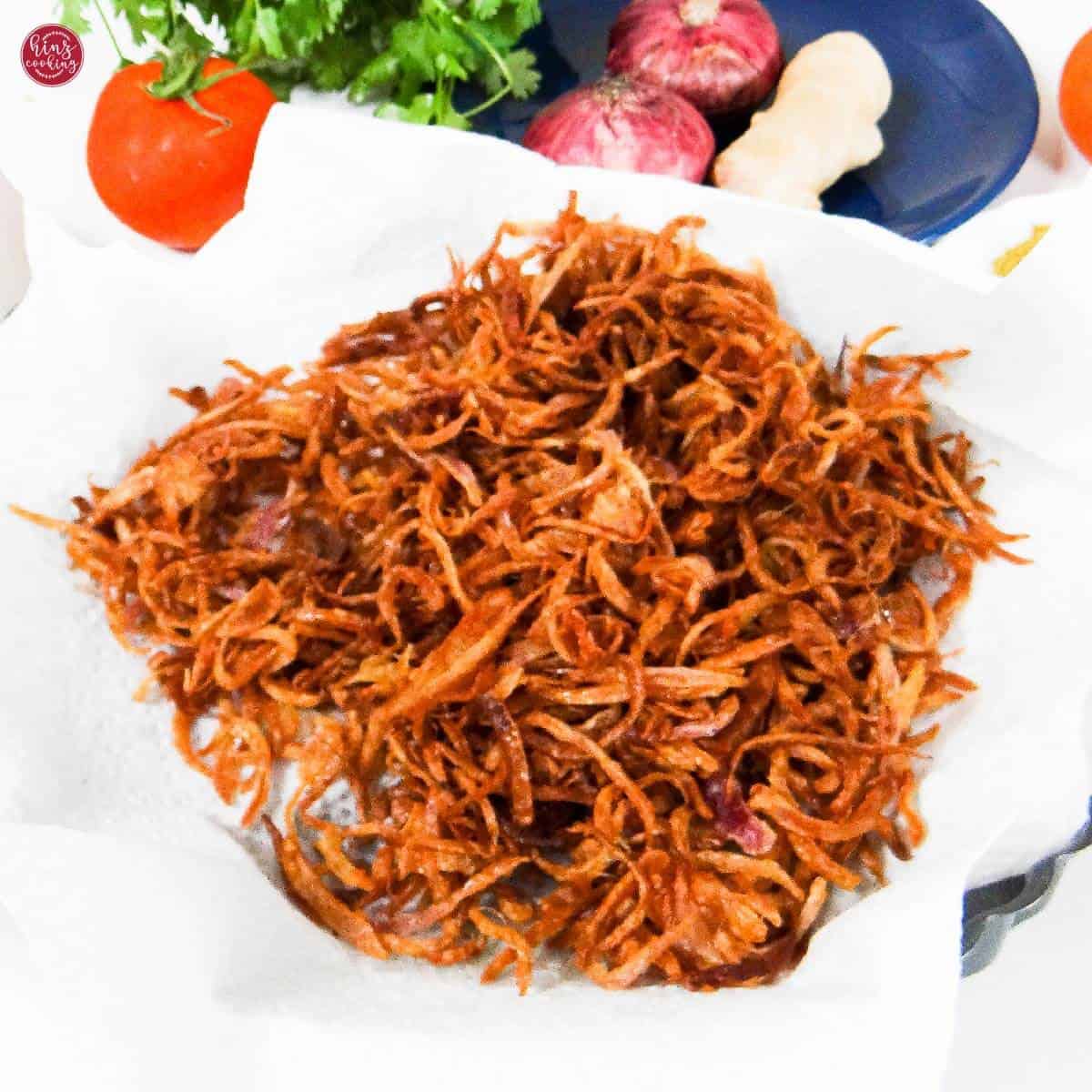
Crispy fried onions (birista): Make your own for the best flavour — thinly slice 2 onions and fry in batches in hot oil until deep golden brown, not dark. Spread on kitchen paper to crisp as they cool. Store-bought crispy onions work as a shortcut. Either way, be generous — the onions add sweetness and a "deg flavour" (the signature smoky-sweet note of professional biryani cooking) that no other ingredient provides.
Rose water: Mixed with the food colouring for the top layer. It adds a subtle floral note to the rice while carrying the colour through the layers. If you don't have rose water, use warm milk instead.
Turmeric note: A small amount of turmeric goes into the chicken korma in this Sindhi recipe. This is different from Karachi biryani, where turmeric is omitted to preserve the three-colour rice effect. Sindhi biryani accepts a slight golden tint from the masala.
How to make Sindhi biryani
Stage 1 — Make the chicken korma
Step 1 — Fry the onions. Heat oil and ghee together in a large, heavy-bottomed pot over medium-high heat. Add the whole spices (bay leaves, cardamom, cinnamon, cloves, peppercorns, cumin seeds) and let them sizzle for 30 seconds until fragrant. Add the sliced onions and cook, stirring regularly, for 12–15 minutes until they are a deep, even golden brown. Don't rush this step — pale onions give a flat, sweet masala. Deep golden onions give you the flavour depth Sindhi biryani is known for.
Step 2 — Build the masala base. Reduce heat to medium. Add the ginger-garlic paste and cook for 1–2 minutes until the raw smell disappears. Add all the ground spices and stir for 30 seconds — the mixture will look very dry. Add the chopped tomatoes immediately and mix well.
Step 3 — Cook the tomatoes down. Cover and cook on medium heat for 12–15 minutes until the tomatoes have completely broken down into a thick, dark paste. Remove the lid and cook uncovered for 5 more minutes. You need to see oil beginning to float on the surface — this is the signal that the masala is properly cooked.
Step 4 — Add chicken and yogurt. Add the chicken pieces and stir well to coat in the masala. Add the yogurt, green chillies, and soaked aloo bukhara. Stir everything together gently.
Step 5 — Cook until the korma is ready. Cook uncovered on medium for 5 minutes, then cover and cook on medium-low for 20–25 minutes until the chicken is cooked through. Remove the lid and cook for a final 5–8 minutes until the oil is clearly floating on the surface and the masala is thick, not wet. If the curry still looks watery, keep cooking uncovered. A watery korma is the most common cause of mushy biryani. Set aside.
Stage 2 — Cook the potatoes separately {#potato-technique}
Why separate? This is the professional technique I learned from the Sindhi cook in Hyderabad, and it makes a real difference. If you cook the potatoes inside the chicken korma, they turn dark brown from the masala and their flavour becomes indistinguishable from the curry. Boiled separately with a pinch of food colouring, they emerge vibrant golden-yellow — visually beautiful and with a clean flavour that contrasts the spiced curry.
Step 6 — Boil the potatoes. Place the quartered potatoes in a saucepan with ½ litre of water, 1 teaspoon salt, and a pinch of yellow food colouring. Bring to a boil, cover, and cook on medium heat for 20–25 minutes until just tender — a knife should slide in with light resistance. Do not overcook; they will continue cooking during dum. Drain and set aside.
Stage 3 — Cook the rice
Step 7 — Infuse the water. Bring 2 litres of water to a boil in a large pot. Add salt, cumin seeds, bay leaves, cardamom, and cloves. Boil for 5 minutes.
Step 8 — Cook the rice to 80%. Drain the soaked rice and add to the boiling water. Cook for 6–8 minutes. Test a grain — it should bend under light finger pressure but still have a firm white centre. Drain immediately through a fine strainer and leave to drain completely for 2–3 minutes. Any excess water carries into the layering pot and makes the bottom layer soggy.
Stage 4 — Layer and steam (dum)
Step 9 — First layer. Add a tablespoon of ghee to a wide, heavy-bottomed pot and swirl to coat the base (this prevents sticking and adds flavour). Spread half the drained rice evenly.
Step 10 — Masala layer. Spread the entire chicken korma over the rice. Scatter half the crispy fried onions, half the mint, and half the coriander over the masala.
Step 11 — Final rice layer. Add the remaining rice over the top. Arrange the golden potatoes around the edges and top of the rice, pressing them in slightly. Scatter the remaining onions, mint, coriander, and slit green chillies. Arrange lemon slices on top if using.
Step 12 — Add colour and seal. Drizzle the rose water and food colouring mixture in a zigzag pattern across the top layer only. Don't mix it in — it will streak through the layers during dum. Place a clean kitchen towel over the pot opening and press the lid on firmly. This seals the steam more effectively than the lid alone.
Step 13 — Dum (seal and steam). Cook on high heat for 5 minutes, then turn to the absolute lowest flame for 20 minutes. Do not lift the lid during this time. After 20 minutes, turn off the heat and leave the pot sealed for a further 10 minutes.
Step 14 — Serve. Use a wide, flat spatula and lift sections from the bottom of the pot. Never stir with a round spoon — it breaks the rice grains. Serve immediately with raita.
Pro Tips By Hina
I share these tips based on extensive, hands-on experience in my kitchen.
Deep golden onions, not pale golden. The color of your fried onions determines the depth of the entire biryani's flavor. Cook them until they are genuinely dark golden — almost caramelized — before moving to the next step. Pale, quickly-fried onions produce a flat, under-seasoned masala no matter what spices you add. Here is the perfect Birista recipe to make crispy fried onions for biryani.
Soak the dried plumaloo bukhara. 30 minutes in warm water before cooking plumps them up so they dissolve more fully during dum. Dry, unsoaked plums stay firm and don't release their flavour into the masala.
Oil separation is non-negotiable. Before layering, the korma must show oil floating visibly on the surface. This means all the water has evaporated and the spice flavour has fully concentrated. Rushing this step is the single most common cause of bland, watery biryani.
80% rice — test it early. Set a timer for 6 minutes when the rice goes into the water and test a grain. It should bend without snapping. Pull it off the heat the moment it reaches this stage — overcooked rice cannot be fixed at the layering stage.
Be generous with herbs between layers. Fresh mint and coriander between the masala and rice layers perfume the entire dish during dum. Use them generously — they are not just garnish.
Rest before serving. The 10-minute rest after dum is not optional. It allows the steam to redistribute evenly through the layers and the rice to fully absorb the masala flavour. Biryani opened too early will have uneven moisture and a slightly raw-edged flavour.
Scale up for a crowd. Sindhi biryani doubles beautifully. For 1.5 kg chicken and 1 kg rice (serves 8–10), increase the korma cooking time by 10 minutes and the dum time to 25 minutes. Use a wider pot if possible to ensure even heat distribution.
Variations
- Mutton Sindhi biryani: Replace chicken with bone-in mutton or goat pieces. Add ½ cup water to the korma and cook covered on low heat for 60–75 minutes until completely tender before layering. Everything else stays the same. The masala will be richer and more complex.
- Beef Sindhi biryani: Use bone-in beef shin or short ribs. Cook the korma for 75–90 minutes on low heat. The marrow from the bones melts into the curry and creates an extraordinary flavour.
- Milder version: Reduce red chili powder to ½ teaspoon and use only 1–2 green chilies. Add an extra 2 tablespoons of yogurt to the korma. The flavor remains full and aromatic — just without the full heat.
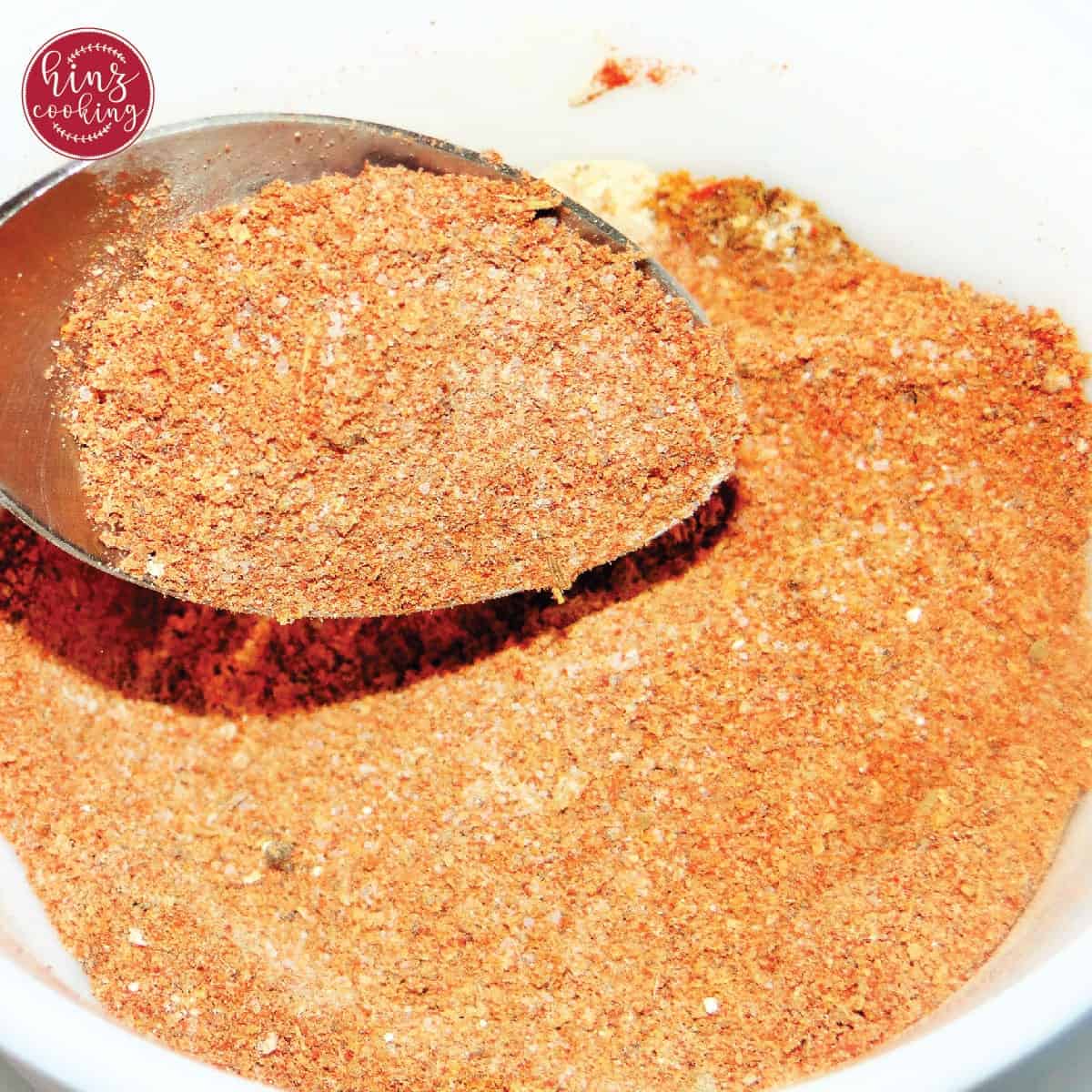
- With Shan Sindhi Biryani Masala: Replace the individual ground spices with one 50g packet of Shan Sindhi Biryani Masala. Reduce salt accordingly as the packet contains salt. A reliable shortcut that preserves the authentic flavor profile.
Make-ahead and storage
Make-ahead: The chicken korma can be made 1–2 days ahead and refrigerated. Cook fresh rice on the day of serving. Assembled biryani holds for up to 2 hours before serving, covered, at room temperature.
Leftovers: Store in an airtight container in the refrigerator for up to 3 days. Sindhi biryani — like all biryanis — tastes better the day after, once the rice has fully absorbed the masala overnight.
Reheating: Add 2–3 tablespoons of water to the container. Cover loosely and microwave on medium power in 2-minute bursts, gently loosening with a fork between each. Or reheat covered in a pot on low heat with 3 tablespoons of water for 10 minutes.
Freezing: The chicken korma (without rice) freezes well for up to 3 months. Do not freeze assembled biryani.
What to serve with Sindhi biryani
Biryani raita is the essential pairing — cooling yogurt with mint and coriander that soothes the heat. Sindhi biryani is spicy enough that the raita is not optional. → Biryani Raita Recipe
Kachumber salad — diced tomato, cucumber, and onion with lemon juice. The crunch and freshness cut through the richness of the biryani perfectly.
For a full table: Sindhi biryani as the centrepiece pairs well with shami kabab or aloo kabab on the side for a proper Pakistani spread.
Frequently Asked Questions
Sindhi biryani is a layered rice dish from the Sindh province of Pakistan. It is made with chicken (or mutton/beef), a bold tomato-yogurt masala, aloo bukhara (dried sour plums), potatoes, and green chillies — all layered with parboiled basmati rice and steamed on dum. It is known for being spicier and tangier than most other biryani styles.
Aloo bukhara are small dried sour plums, similar in appearance to prunes but with a more tart flavour. They are available at any South Asian or Middle Eastern grocery store, and on Amazon. If unavailable, substitute with 6 dried prunes. The dish works without them but the characteristic sweet-sour flavor will be absent.
Both use tomatoes, potatoes, and aloo bukhara, but Sindhi biryani uses more yogurt (producing a tangier, slightly creamier masala), more green chilies, and slightly less oil. Karachi biryani tends toward a drier, more oil-separated masala and skips turmeric entirely. The flavor profiles are similar but distinguishably different.
Yes. Replace the individual ground spices with one 50g Shan Sindhi Biryani Masala packet. Reduce the salt in the recipe as the masala packet already contains salt. It's a reliable shortcut that gives authentic flavor.
Cooking potatoes in the curry turns them dark brown from the masala and makes them taste like curry rather than potato. Boiling separately with a pinch of yellow food coloring keeps them vibrant golden and gives them a clean, distinct flavor that contrasts the spiced masala. This is the professional technique used in restaurant kitchens.
Three things: stop the rice at 80% cooked (it should bend, not squash), ensure the korma shows separated oil before layering (no excess water), and dum on the lowest possible heat for exactly 20 minutes. Overcooked rice, watery curry, or too much dum time are the three causes of mushy biryani.
Yes — this recipe works without marination and produces excellent results. If you have time, marinating the chicken overnight in yogurt, ginger-garlic paste, and the ground spices gives a more deeply flavoured curry. But the no-marination method in this recipe is designed to deliver full flavour without that extra step.
It is the spiciest of all major biryani styles. At full spice (1½ teaspoon red chili + 4–6 green chilies), it has significant heat. For a milder version, reduce red chili to ½ teaspoon and use 1–2 green chilies. The raita served alongside does a lot to manage the heat.
Very much so. Sindhi and Pakistani biryani is one of the most widely eaten dishes across the UAE, Saudi Arabia, Qatar, and Bahrain — both in Pakistani restaurants and in South Asian homes. It is a fixture at Friday gatherings and celebrations across the Gulf diaspora.
Up to 3 days in the refrigerator in an airtight container. It tastes best on day 2, once the rice has fully absorbed the masala flavours overnight.
Made this recipe? Rate it below — it helps other readers find it. Questions about any step? Leave a comment and I'll reply personally.
More biryani recipes:



Hinz
Here is famous Sindhi biryani recipe with video to make in your kitchen. If you like Sindhi cuisine then you must like this aloo wali chicken sindhi biryani.