
Deep frying is one of the easiest cooking techniques once you understand the basics — and the best part? You don’t need a deep fryer to make your favorite crispy snacks! Whether you’re frying chicken, pakoras, kababs, or French fries, you can do it perfectly at home using a simple pan or wok.
In this guide, I’ll share my tried-and-tested tips, pro tricks, and everything you need to know to deep fry safely, efficiently, and deliciously at home.

Everybody loves that perfect plate of golden brown, crispy, and non-oily fried food — because let’s be honest, the color, crunch, and texture make all the difference! If you want to master the art of frying at home, these simple tips and tricks will help you achieve restaurant-quality results right in your kitchen.
Watch my full video tutorial where I share every step of deep frying at home — temperature control, spoon technique, and tips for perfect results!
Jump to:
- Why Deep Frying Works So Well
- What You Need
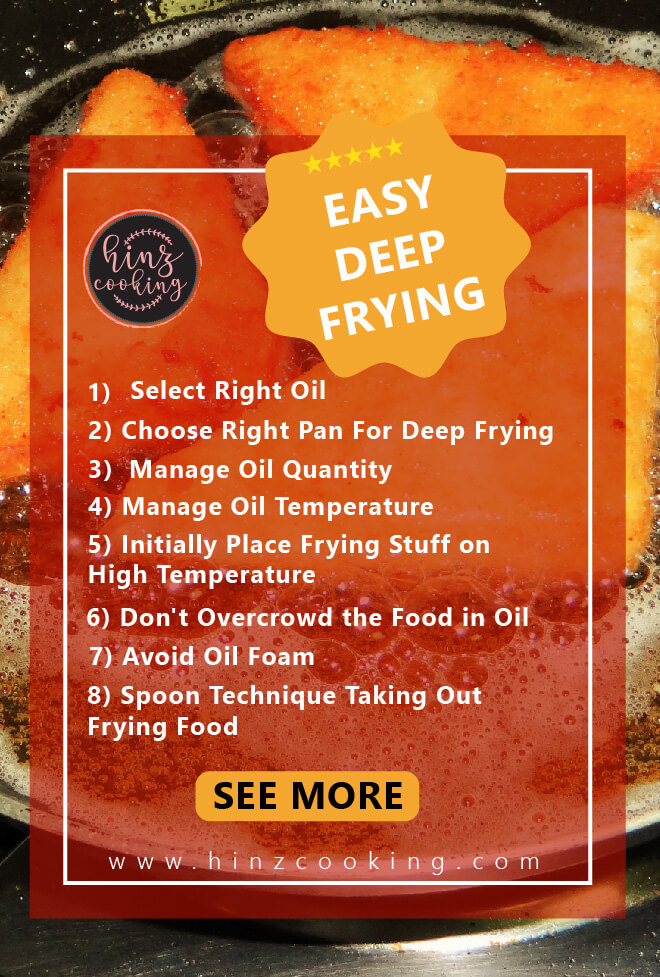
- How To Deep Fry At Home (10 Pro Tips)
- How to Manage Oil Temperature Without Thermometer
- Traditional Method: Frying with a Kadai or Wok
- ☀️ Bonus Tip – Sunlight Dehydration Before Frying
- Pro Tips & Troubleshooting
- Home Fried Food Ideas
- Why I 🧡 This Method
- Deep Fried Recipe Ideas
- FAQS
When I started exploring how to deep fry at home, I realized through experience and a few kitchen experiments that you don’t need a fancy deep fryer — a regular wok or deep pan is more than enough to make that perfectly crispy, light, and flavorful fried food for your family.
Many people ask me, “Why does my chicken or pakora turn soggy after a few minutes?” or “Why does my fried food absorb too much oil?” The answer lies in a few small but important techniques. Once you understand oil temperature, timing, and proper handling, you’ll see a huge difference in your results.
So, if your fried food sometimes turns oily, soggy, or loses its crunch, don’t worry — just follow these easy home frying secrets to get golden, crispy, and delicious fried dishes every time!
Why Deep Frying Works So Well
Deep frying cooks food quickly by surrounding it in hot oil, sealing in moisture while creating a crispy golden crust on the outside. When done right, your food turns out light, crunchy, and non-greasy — just like restaurant-style fried food.
What You Need
- Before we get started, here’s what you need to deep fry at home:
- A heavy-bottomed deep frying pan, wok, or pot
- Cooking oil with a high smoke point (canola, sunflower, peanut, or vegetable oil)
- Slotted spoon or frying strainer
- Tongs
- Kitchen paper or wire rack for draining
- Thermometer (optional) – helps track oil temperature
How To Deep Fry At Home (10 Pro Tips)
1️⃣ Select the Right Oil
Choose an oil with a high smoke point so it doesn’t burn. Canola, sunflower, or peanut oil are excellent options. Avoid butter or olive oil for deep frying.
2️⃣ Choose the Right Pan for Deep Frying
Use a deep, heavy-bottomed pan or wok to maintain even heat. The depth helps prevent oil splashes and allows food to submerge properly.
3️⃣ Manage Oil Quantity
Add enough oil to fully submerge the food, but leave at least 2–3 inches of space at the top to avoid overflow.
4️⃣ Control Oil Temperature
Keep oil between 350°F–375°F (175°C–190°C).
- Too low = oily and soggy food.
- Too high = burnt coating, raw inside.
Use a kitchen thermometer or test with a small drop of batter — it should sizzle immediately.
5️⃣ Start on High Heat
For the first 30 seconds, fry at high heat to form a crisp coating. Then lower to medium to cook food evenly inside.
6️⃣ Don’t Overcrowd the Pan
Frying too many pieces at once drops the temperature, leading to uneven cooking. Always fry in small batches.
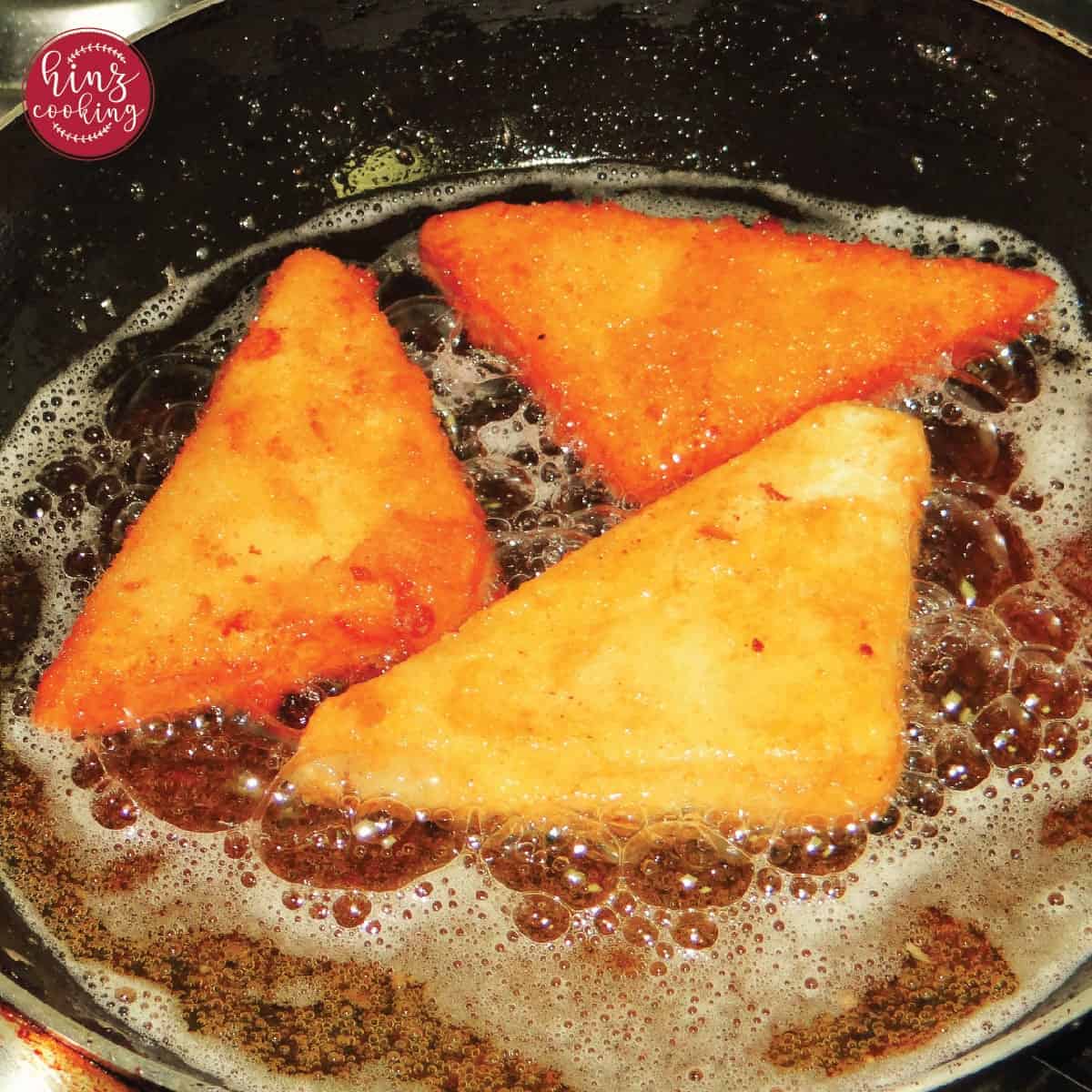
7️⃣ Avoid Oil Foam
If you notice foaming, your oil may be too old or too cold. Add a pinch of turmeric or strain oil after each batch to keep it clean.
8️⃣ Use Spoon Technique When Taking Food Out
Use a slotted spoon to drain oil while lifting. Hold it slightly tilted for a few seconds before transferring to a plate.
9️⃣ Drain Fried Food Properly
Place on kitchen paper or a wire rack to drain excess oil. Avoid stacking hot food directly over each other.
🔟 Don’t Cover the Food Immediately
Covering traps steam, making fried food soggy. Always let it cool uncovered for a few minutes to keep the crust crisp.
If you want healthy frying then try olive oil for deep frying. Olive oil contains healthiest fats. It's resistant to heat because, like animal fats, it's high in monounsaturated fatty acids. Oil plays an important role to get the perfect frying result so choose your oil wisely.
How to Manage Oil Temperature Without Thermometer
If you don’t have a thermometer:
- Drop a small piece of bread or batter into the oil.
- If it rises slowly with small bubbles — oil is ready.
- If it browns instantly — oil is too hot.
- If it sinks — oil is too cold.
Traditional Method: Frying with a Kadai or Wok
In South Asian kitchens, deep frying has always been done in iron kadhais (woks). The thick metal maintains consistent heat, making them perfect for pakoras, kebabs, and samosas.
👉 Pro Tip:
Keep your wok half-filled with oil and always let it reheat between batches for consistent crispiness.Traditional Method: Frying with a Kadai or Wok
☀️ Bonus Tip – Sunlight Dehydration Before Frying
This traditional trick from our moms and grandmothers still works wonders!
If you’re making snacks like potato chips, papad, or banana fries, spread the slices in sunlight for 15–30 minutes before frying. It removes extra moisture naturally and gives a light, crisp texture that stays crunchy longer.
Pro Tips & Troubleshooting
- Food too oily? Oil temperature was too low — always preheat before adding.
- Food burnt outside, raw inside? Oil was too hot — lower the flame after initial crisping.
- Soggy fries or pakoras? Don’t cover immediately; let steam escape.
- Oil foaming? Use clean, fresh oil and strain after every batch.
Home Fried Food Ideas
Try these recipes using the same stovetop frying method:
- Crispy chicken pakora
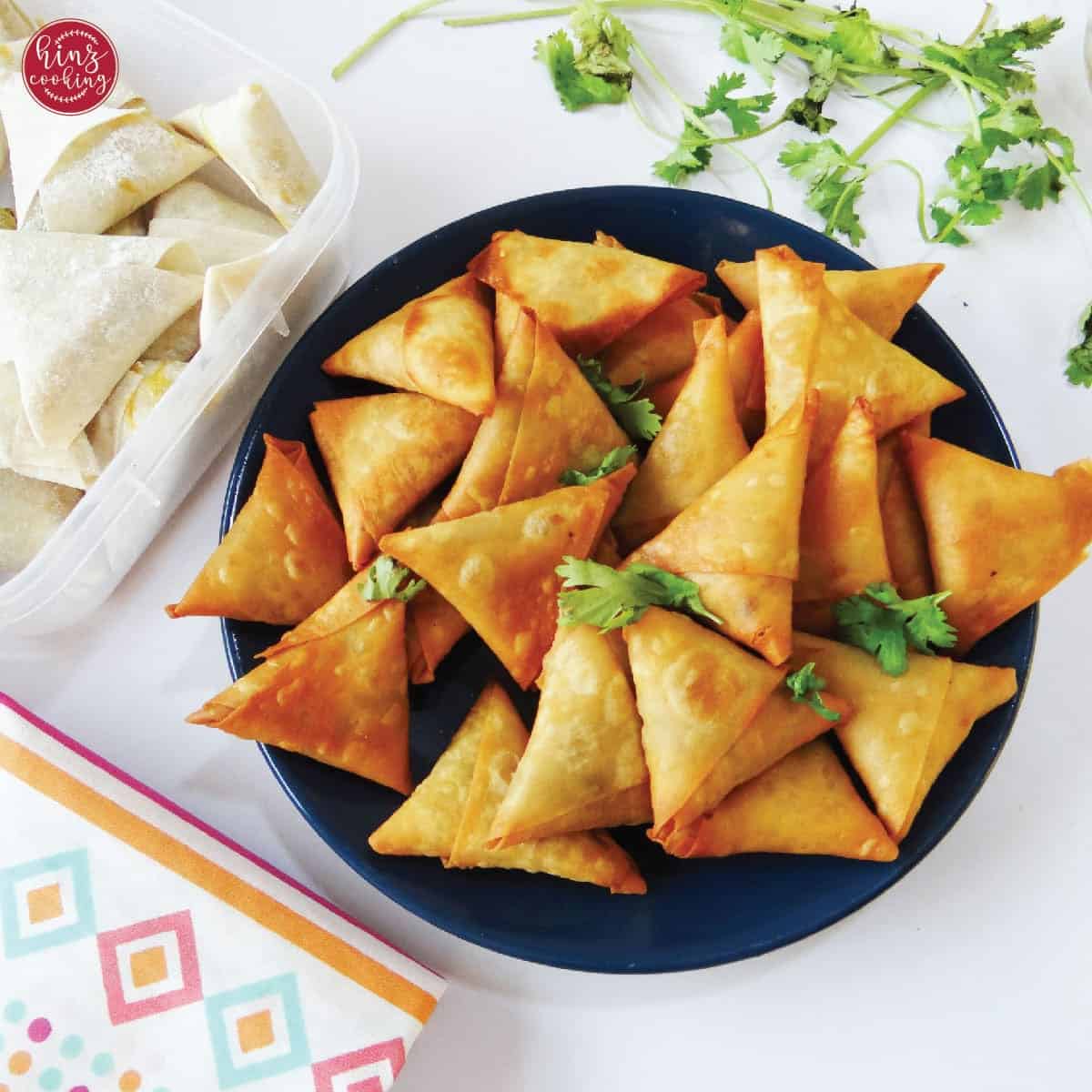
- Aloo samosa or Aloo kabab
- Golden fish fry
- Spring rolls and fritters
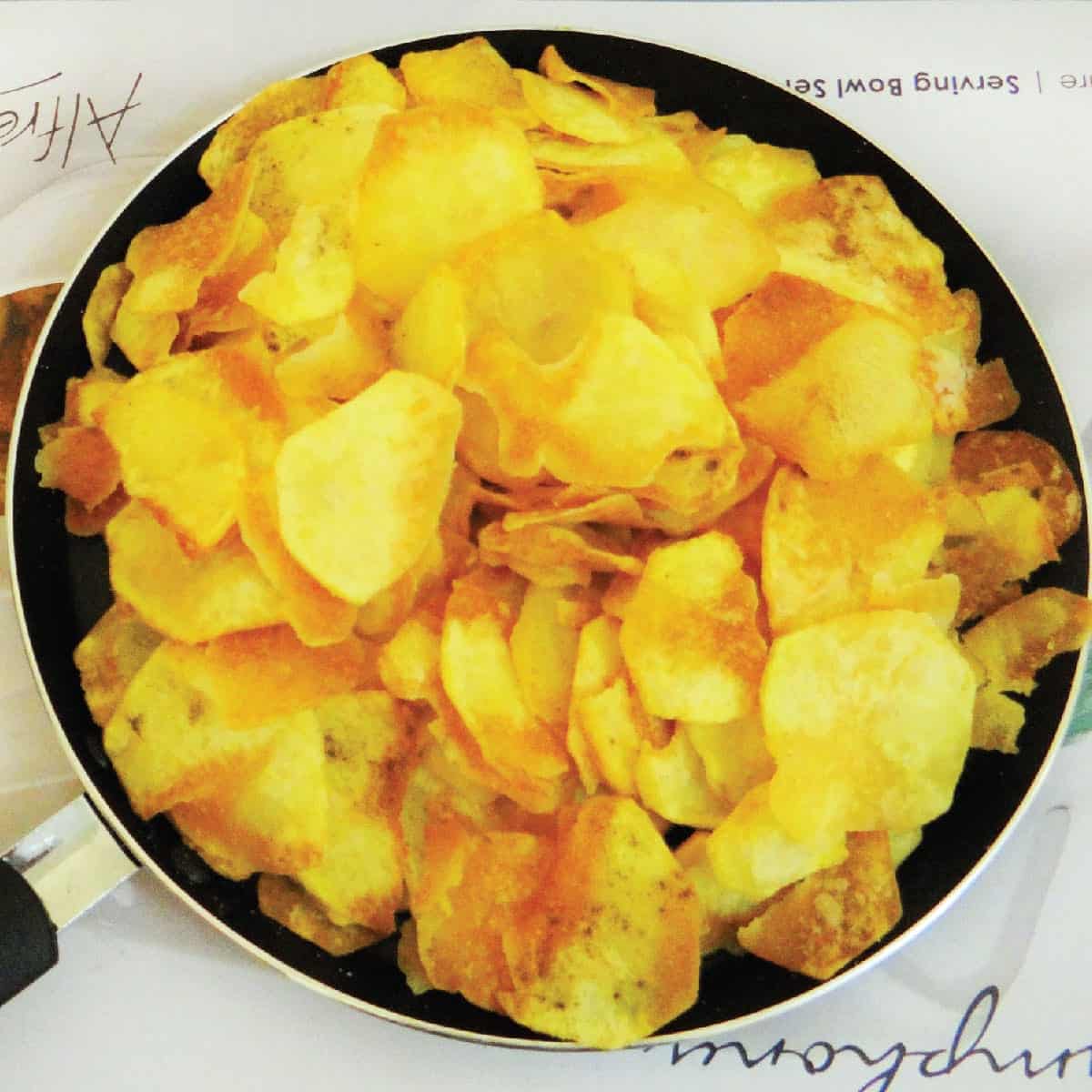
- Classic French fries or potato chips
Why I 🧡 This Method
- You don’t need expensive gadgets — just a pan and a bit of practice.
- It’s faster, more flexible, and perfect for small kitchens.
- You can control oil, temperature, and crispiness easily.
- The result? Perfectly fried food — golden, crunchy, and delicious every time!
Deep Fried Recipe Ideas
- Crispy and Crunchy deep fried Chicken Pakora
- How to deep fry potato chips: Homemade Potato Chips
- Perfectly fried Samosa
- Golden fried Popcorn Chicken
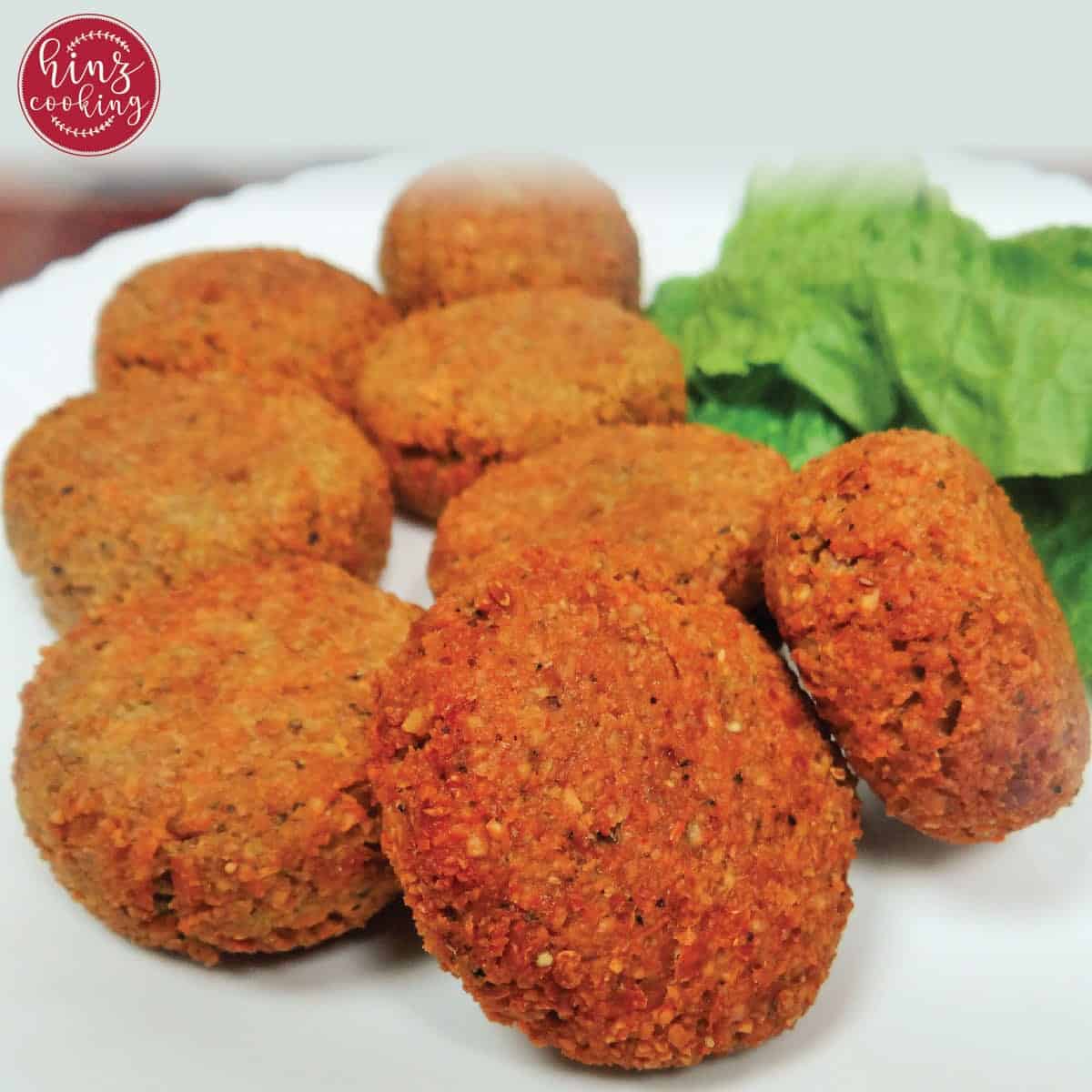
- Falafel (One of the best deep fried recipe)
- Extremely crispy like KFC Chicken Broast
- Potato Wedges (Fried like a restaurant0
FAQS
Yes! You just need a heavy-bottomed wok, pan, or pot. The key is to manage oil temperature and avoid overcrowding. With the right techniques, you can make crispy, golden fried food that tastes just like restaurant-style.
Choose oils with a high smoke point — like canola, sunflower, peanut, or vegetable oil. Avoid olive oil or butter as they burn quickly.
Drop a small piece of batter or bread in the oil:
If it sinks, the oil is too cold.
If it browns instantly, it’s too hot.
If it rises slowly with bubbles, it’s perfect!
The oil was too cold when you added the food.
You overcrowded the pan, lowering the temperature.
Or you covered the food immediately after frying, trapping steam.
Fix: Maintain oil between 350°F–375°F (175°C–190°C) and drain fried food on a wire rack or paper towel.
Strain oil after each batch to remove food particles, and add a pinch of turmeric to stabilize it. Also, avoid mixing different oils in one pan.
The oil is too hot. Start with medium-high heat to form a crust, then lower to medium to cook evenly inside.
Let it cool completely, strain it through a fine mesh to remove crumbs, and store in a clean, dry jar. Reuse only once or twice for light items (like fries or samosas), not for meats.
Yes, if you’re careful! Always:
Keep kids away from the stove.
Avoid adding wet food to hot oil.
Never leave the oil unattended.
Keep a metal lid nearby to cover the pan if needed.
Drain well and never cover hot food.
For snacks like samosas or chicken, reheat in an oven or air fryer instead of a microwave to bring back the crunch.
Deep frying may seem tricky at first, but it becomes super easy once you have the right knowledge, tools, and techniques. The secret lies in controlling oil temperature, choosing the right pan, and understanding when your food is ready.
Once you get the hang of it, you’ll be amazed at how easily you can make golden, crispy, and non-oily fried food right in your own kitchen — no deep fryer needed!
So next time you crave crispy pakoras, crunchy chicken, or homemade fries, grab your wok, heat up some oil, and enjoy the joy of perfect frying at home. It’s simple, satisfying, and full of flavor!
Feel free to comment if you have any question regarding deep frying.

Hinz
Here are simple and easy deep frying techniques for beginners. Have a look!