
This timeless phirni recipe is prepared in the same manner as my grandparents did, evoking a sense of warmth and nostalgia. It holds a significant place at every festive gathering, often celebrated as the best dessert for Ramadan, Eid, family reunions and a fantastic option for potluck gatherings.
I still remember those cozy evenings when my mother would prepare this rich and creamy dessert, slowly simmering ground basmati rice in milk and sugar until it turned velvety smooth. The sweet aroma of cardamom, khoya, and saffron (zafran) would fill the house, making everyone impatient for that first chilled bowl. Garnished with roasted nuts and saffron strands, this traditional Pakistani and Indian dessert isn’t just food — it’s nostalgia served in the most delicious way.
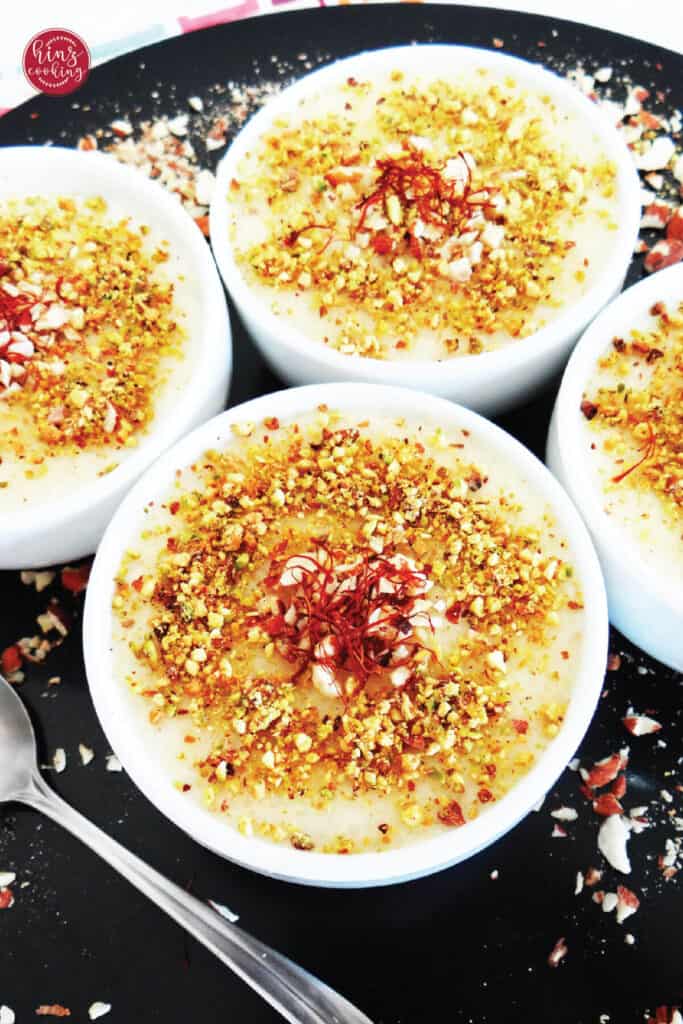
Chilled clay bowl of Phirni is a classic and timeless dessert made with careful precision and warmth, intended to infuse sweetness and build cherished memories with loved ones. This traditional zafrani phirni recipe requires only a few ingredients, making it easy for anyone to make at home.
Jump to:
Watch Recipe
What is Phirni (Frini)?
Phirni is a traditional sweet dish that graces every household in India and Pakistan, often recognized by many as firni. When it's time to make a dessert for a desi celebration, phirni takes the lead, as it is a favorite for many who relish a chilled serving of this creamy pudding following lunch or dinner.
This delightful sweet dish is embraced by many, leading to a variety of versions that cater to individual preferences. Zafrani phirni, mango phirni, gulab phirni, and Kashmiri style suji phirni are particularly renowned. Today, I will be preparing a traditional Pakistani phirni recipe that my grandmother used to create. It’s a cherished experience for my family and me to savor this exquisite dessert.
In the Mughal era, phirni was one of the scrumptious sweet dish served as milk rice pudding garnished with dried rose petals and thinly sliced nuts with meals.
There are special mud or clay bowls called earthen bowls for serving firni or kheer that make it chilled for a long time.
In Iranian cuisine, it’s been famous with Fereni. In middle eastern region, It’s the same as Muhallabia milk pudding.
Making phirni is a slow cooking process that makes it thick and creamy also softens the grain of ground rice simmered in milk enhances the consistency with a smooth pudding texture. It’s the best recipe that you can make before the time of serving even before a day if you are planning to make it for a party or family get together.
See Also: Semolina Pudding
Why You'll Love This Recipe
- Simple ingredients, big flavor.
- Rich, creamy texture with traditional cardamom aroma.
- Perfect for festive occasions or a quick dessert fix.
- Tastes even better when chilled overnight!
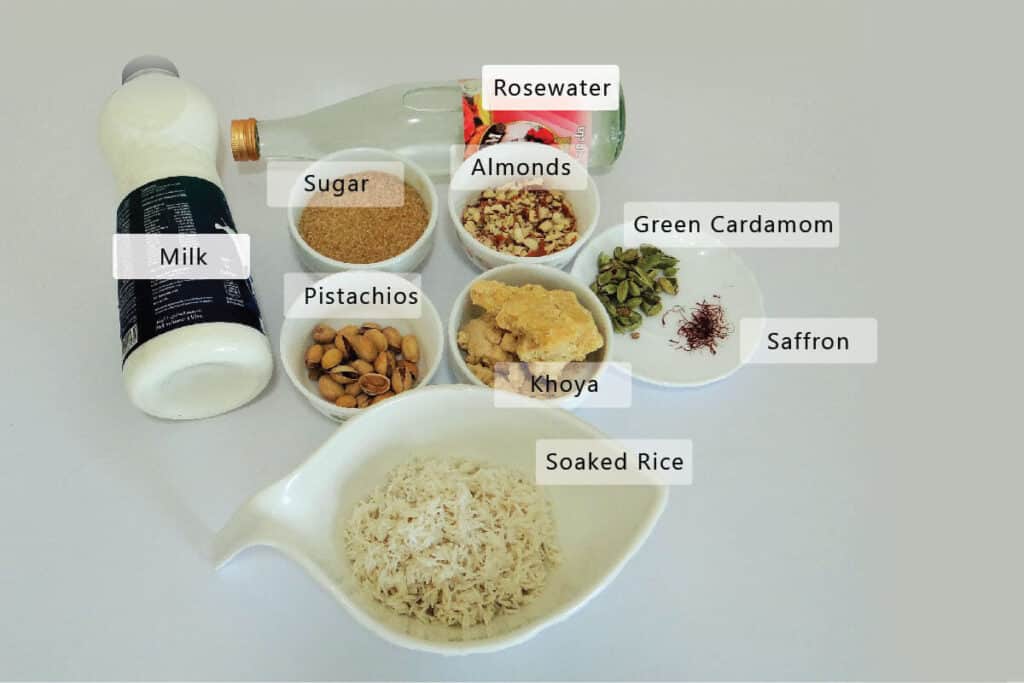
Phirni Ingredients
Basmati Rice: Soaking the rice for 8 hours or overnight is ideal.
Milk: Use full-fat milk to achieve a rich and creamy consistency.
Saffron (Zafran): Infuse saffron strands in lukewarm milk for best results.
Rosewater: This will impart a delightful rose fragrance and taste.
Khoya (Mawa): While optional, including it will elevate both flavor and texture. It adds a creamy taste that enhances the overall deliciousness.
Green Cardamom: This spice contributes a robust sweet and floral essence.
Sugar: Brown sugar is preferred, but white granulated sugar is also acceptable.
Nuts: Garnish the firni with roasted almonds and pistachios. You can also mix nuts into the firni while cooking.
How To Make Phirni (Firni)
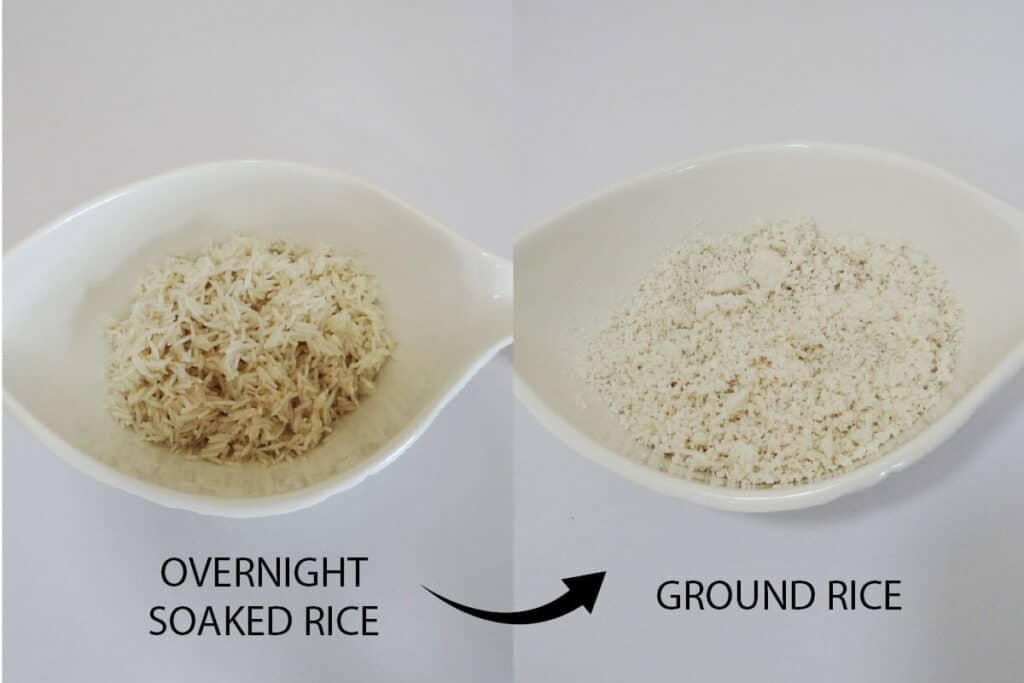
Thoroughly rinse basmati rice and allow it to soak overnight to make the grains tender. Once soaked, completely drain the water and let the rice air dry at room temperature. After the rice has dried, coarsely grind it using a grinder. You can either let the rice dry at room temperature or place it under a fan.
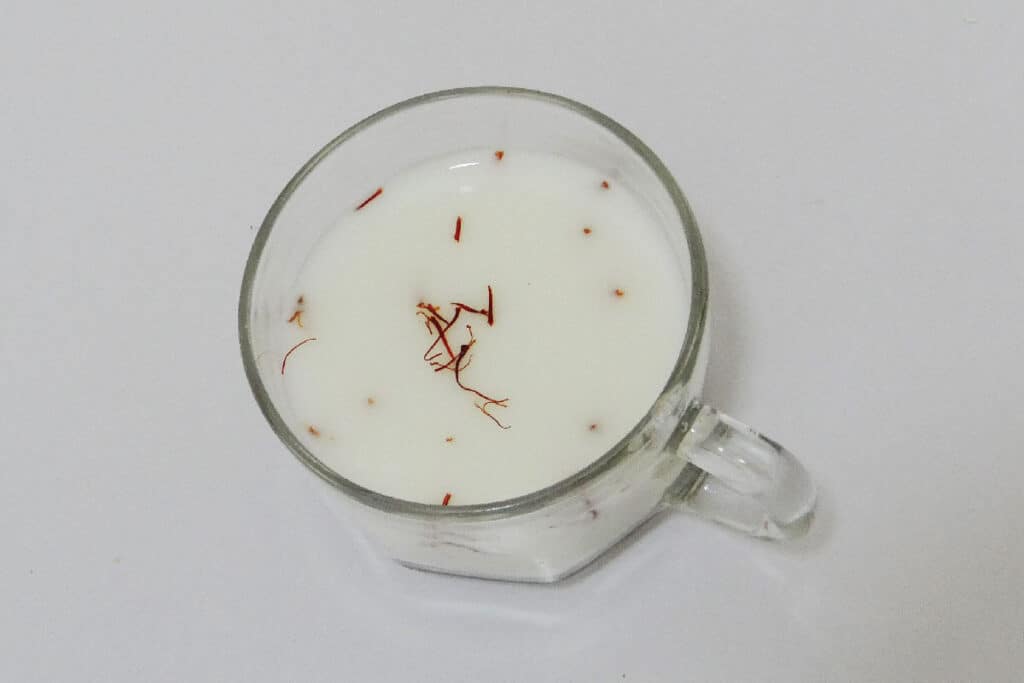
Meanwhile, place saffron strands in a cup of milk and allow them to dissolve for 5 to 10 minutes.
In a pan, pour in the milk and bring it to a boil.
Next, add the soaked rice to the boiling milk and stir rapidly to prevent lumps.
Keep stirring the mixture on low heat until the rice is tender and fluffy, resulting in a thick, creamy consistency. After that, incorporate saffron milk, sugar, crushed cardamom seeds or powder, khoya, and rose water.
Mix everything thoroughly to achieve a uniform texture. Keep an eye on the thickness of the phirni; if it appears to be semi-thick, take it off the heat and quickly transfer it to a bowl to ensure a smooth finish.
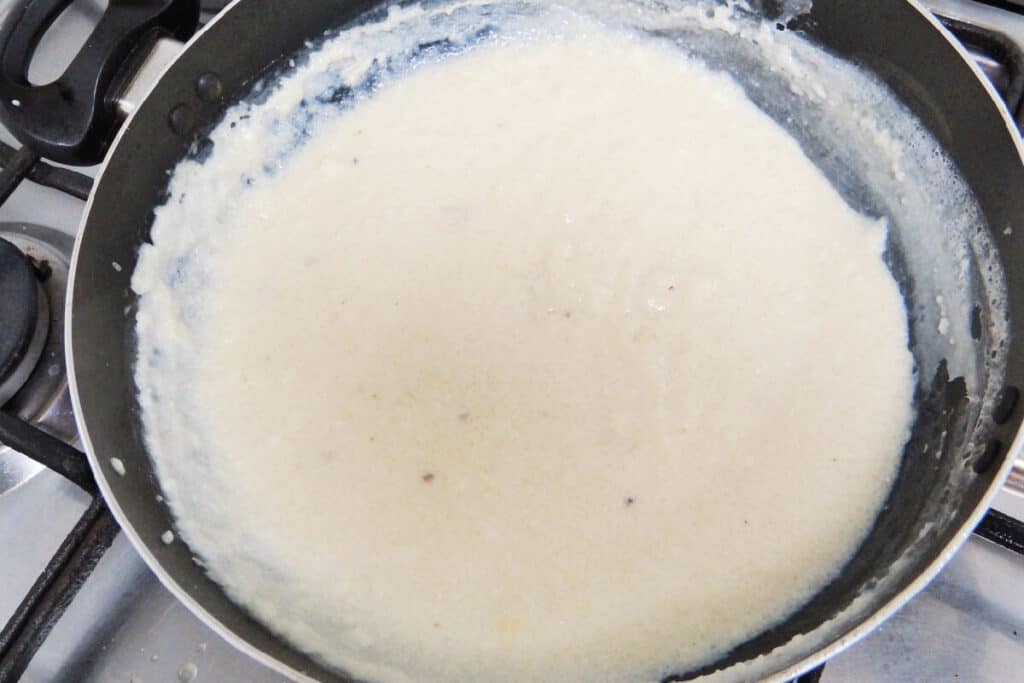
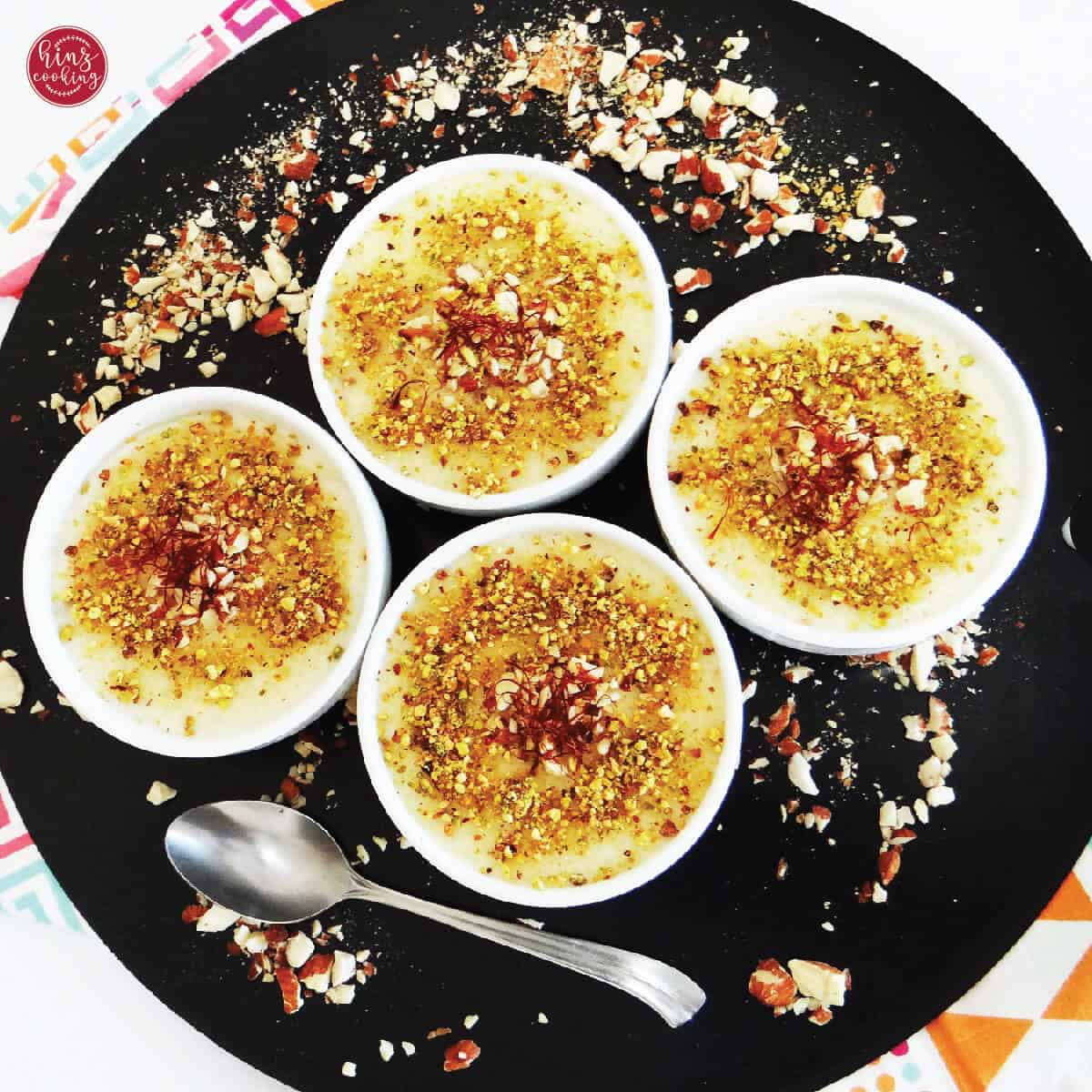
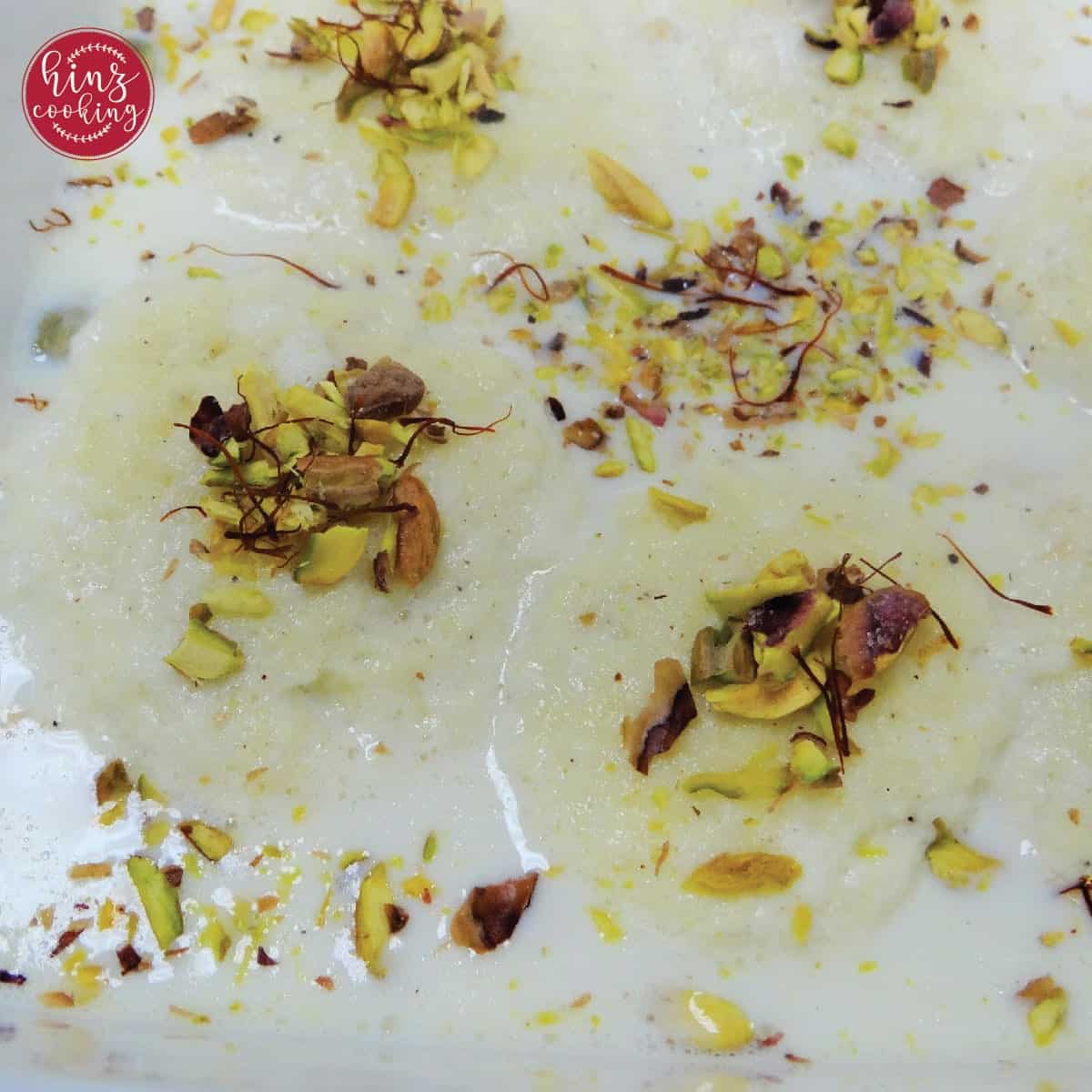
Garnish with roasted pistachios, almonds and saffron strands! Since the phirni is served at room temperature, place it in the refrigerator to chill the bowls just before serving.
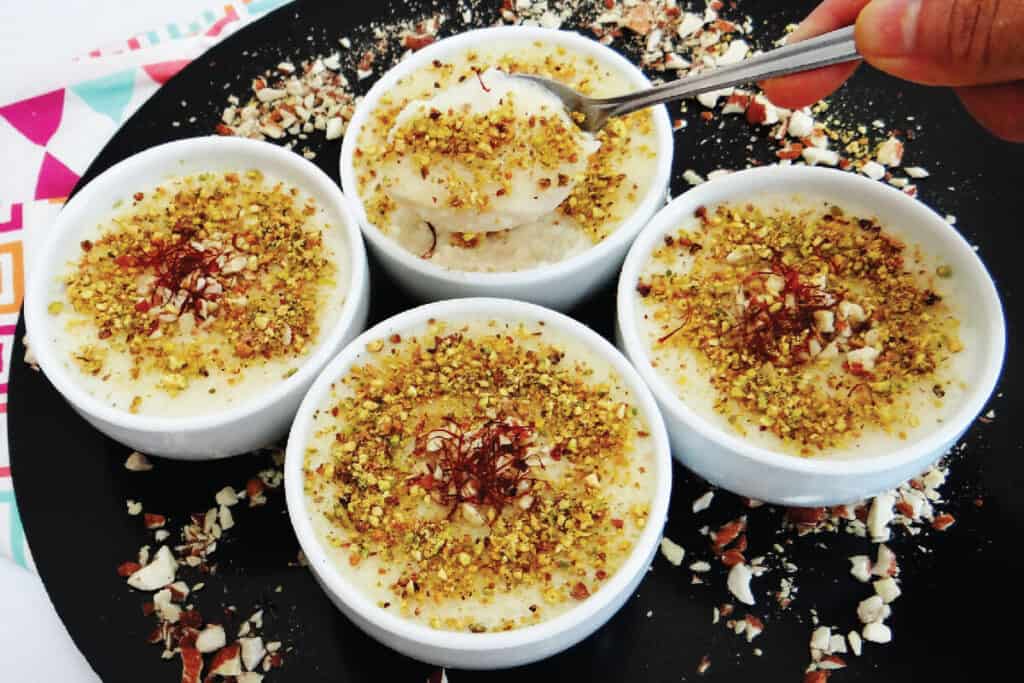
In the culinary traditions of India and Pakistan, chilled "Phirni" bowls hold a special place at the dining table, and many people enjoy indulging in this delightful dessert. Personally, I find it a must-have during Ramadan iftar, and no Eid dinner feels complete without firni.
Pro Tips
- Ensure you use the correct ratios of milk and rice; otherwise, the phirni could end up either too runny or too firm. If it turns out runny, continue cooking it on low heat. While cooking, keep stirring the mixture with a rubber spatula, as both the milk and rice tend to stick to the bottom, which can impart a burnt taste.
- Choose your pot for making firni with care. Stainless steel pots work well! If you opt for a nonstick pan, be sure to stir frequently, as the sugar combined with milk can adhere to the surface.
- To enhance the sweetness of the firni, you can use any one of these; brown sugar, white granulated sugar, or jaggery.
- Using full-fat cow milk is ideal for preparing phirni.
- Adding khoya or mawa contributes to a wonderfully creamy texture in the phirni. You can also use condensed milk, or skip both if you're using particularly creamy milk. Avoid making firni with skimmed milk unless you have been specifically advised to do so.
- If you're preparing zafrani phirni, remember to double the amount of saffron, as it gives a subtle yellow and light brown hue.
- In the absence of rose water (arqe gulab), you can substitute it with kewra essence. Incorporate your favorite nuts into the phirni mixture or use them as a topping.
How To Store
Storing leftover bowls in the refrigerator is a simple task, allowing them to last for 5 to 6 days.
Reheating: If the mixture becomes hard or appears too thick, you can reheat it in a preheated pan by adding some milk. This will make it taste just like freshly made phirni.
Avoid freezing it, as it will release water once defrosted.
My Best Practice: I usually fill a glass container with any leftover phirni and keep it in the refrigerator for future enjoyment.
Serving Idea
How to Serve?
Traditionally, Phirni is presented in earthy bowls, which enhance its natural aroma, making it both chilled and moist.
If clay bowls are unavailable, you can easily use glass or ceramic bowls and place them in the refrigerator to chill.
Firni is a creamy, sweet dish that should be adorned with nuts to make it visually appealing. I particularly enjoy garnishing it with ground pistachios and roasted almonds, which not only add a pop of color but also make it more enjoyable to eat. A few strands of saffron placed on top of the serving bowls complement the green pistachios and the creamy texture of the firni beautifully.
Serve Hot or Cold: Many people wonder whether phirni should be served hot or chilled. It is, in fact, a chilled dessert! While kheer can be enjoyed hot, firni is typically served cold in a chilled bowl.
What To Serve With Firni?
Phirni pairs wonderfully with a variety of traditional Pakistani and Indian meals, especially during festive feasts and celebrations. It’s the perfect way to end a heavy meal with a light, creamy dessert.
Here are some serving ideas:
- After a spicy biryani or pulao: The cool, milky texture of phirni balances the heat from dishes like Hyderabadi biryani, Chicken pulao, nihari or haleem.
- Alongside festive desserts: Serve phirni with gulab jamun, rasmalai, or crispy Jalebi for an indulgent dessert platter.
- With tea-time snacks: A small chilled bowl of phirni goes well with samosas, pakoras, or spring rolls during Ramadan iftar.
- Topped with rose petals and nuts: For an elegant touch, garnish phirni before serving to make it look festive and inviting.
- In clay bowls (mitti ke katoray): Traditional clay bowls not only enhance presentation but also give phirni a subtle earthy aroma.
Whether served warm or chilled, this creamy rice pudding always steals the spotlight at any table.
Q & A
What's the difference between Phirni and Kheer?
At first sight, it can be challenging to tell kheer and phirni apart. However, once you take a bite, the distinction becomes clear: phirni is made with ground rice, whereas kheer is made with whole rice grains.
Which rice are best to make Phirni?
Basmati rice is a fantastic option for making firni due to its wonderful aroma and taste. You might also consider jasmine rice or any other variety of sticky rice. However, if you choose to use brown rice, the flavor will change quite a bit.
How to Make Zafrani Phirni?
To make zafrani phirni, double or triple the amount of saffron strands in milk. Gently simmer the milk on low heat with coarsely ground rice, adding sugar, cardamom powder, and nuts.
What is Mango Phirni?
It's a mango-flavored phirni. Fresh mango puree is incorporated into the cooking of the milk rice. The overall recipe will stay the same.
What is Gulab Phirni?
Incorporate dried Gulab petals and arq-e-gulab while simmering rice and ground rice. Some individuals choose to add Gulab syrup, which is completely optional and based on your preference. Dried Gulab petals impart a robust flavor and fragrance, creating a lovely light pink hue in the creamy rice milk.
Is it Pakistani Firni Recipe?
Indeed, firni is well-known in both India and Pakistan, and the preparation method and recipe are quite similar. The Pakistani firni recipe holds a special place in my heart since I enjoyed it during my childhood. This is a classic firni recipe that my mother used to prepare. Nowadays, many people incorporate condensed milk, cream, and various other ingredients to enhance the firni, which is certainly tasty, but this version represents the authentic firni recipe from earlier times.
Can I make Phirni with Rice Flour?
Absolutely, you can prepare phirni using rice flour. The texture will be completely smooth. Combine the rice flour with milk and mix it well. Allow it to rest for 10 minutes. Meanwhile, heat the milk and incorporate the rice flour and milk mixture into the boiling milk, stirring quickly to prevent lumps. Cook it for a few minutes over medium heat. Once it begins to thicken, add sugar, cardamom powder, and rose water. Including khoya and condensed milk will enhance the flavor, but it's entirely optional. Stir all the ingredients together and let it cook for a few more minutes until you achieve a semi-thick consistency.
You Might These Sweet Ideas
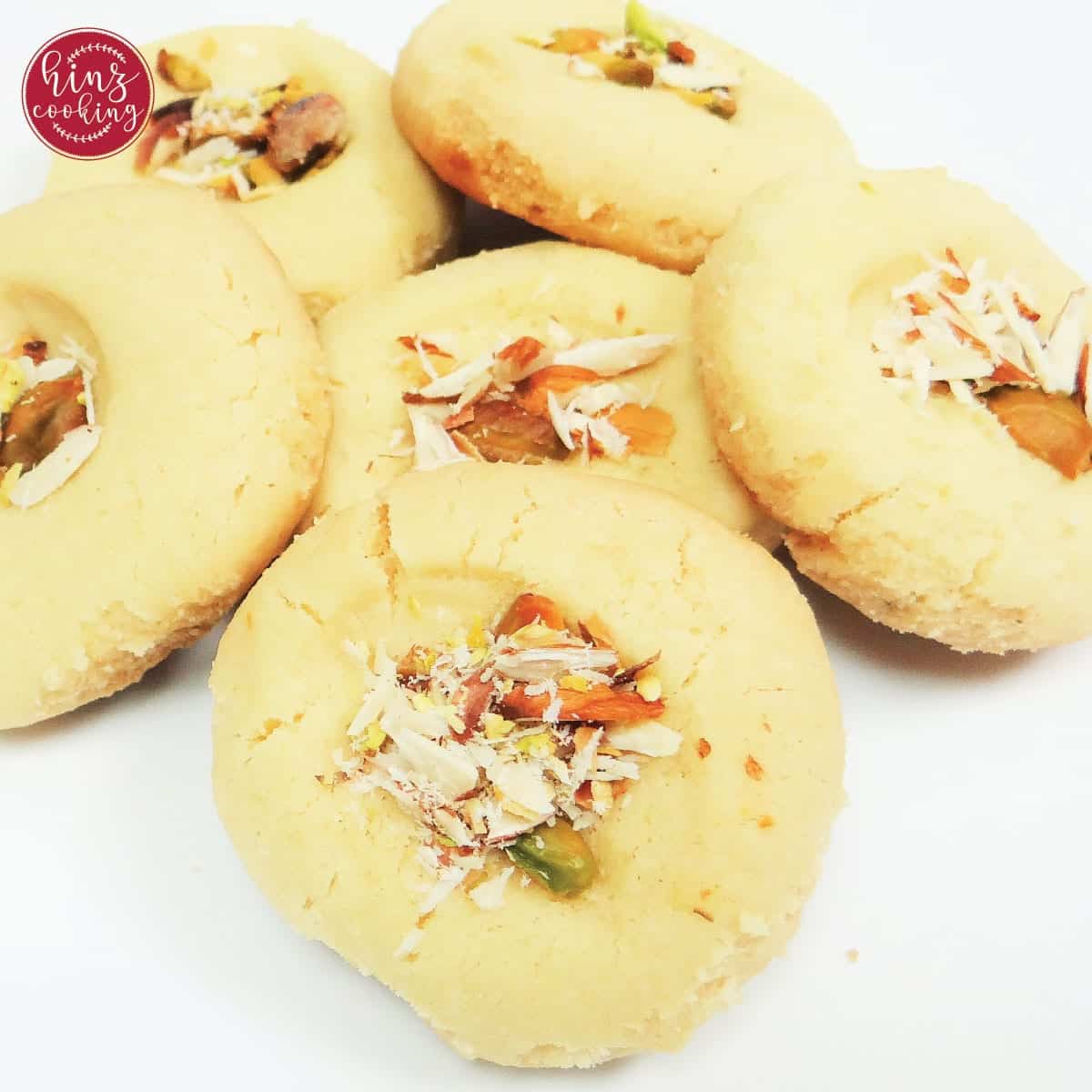
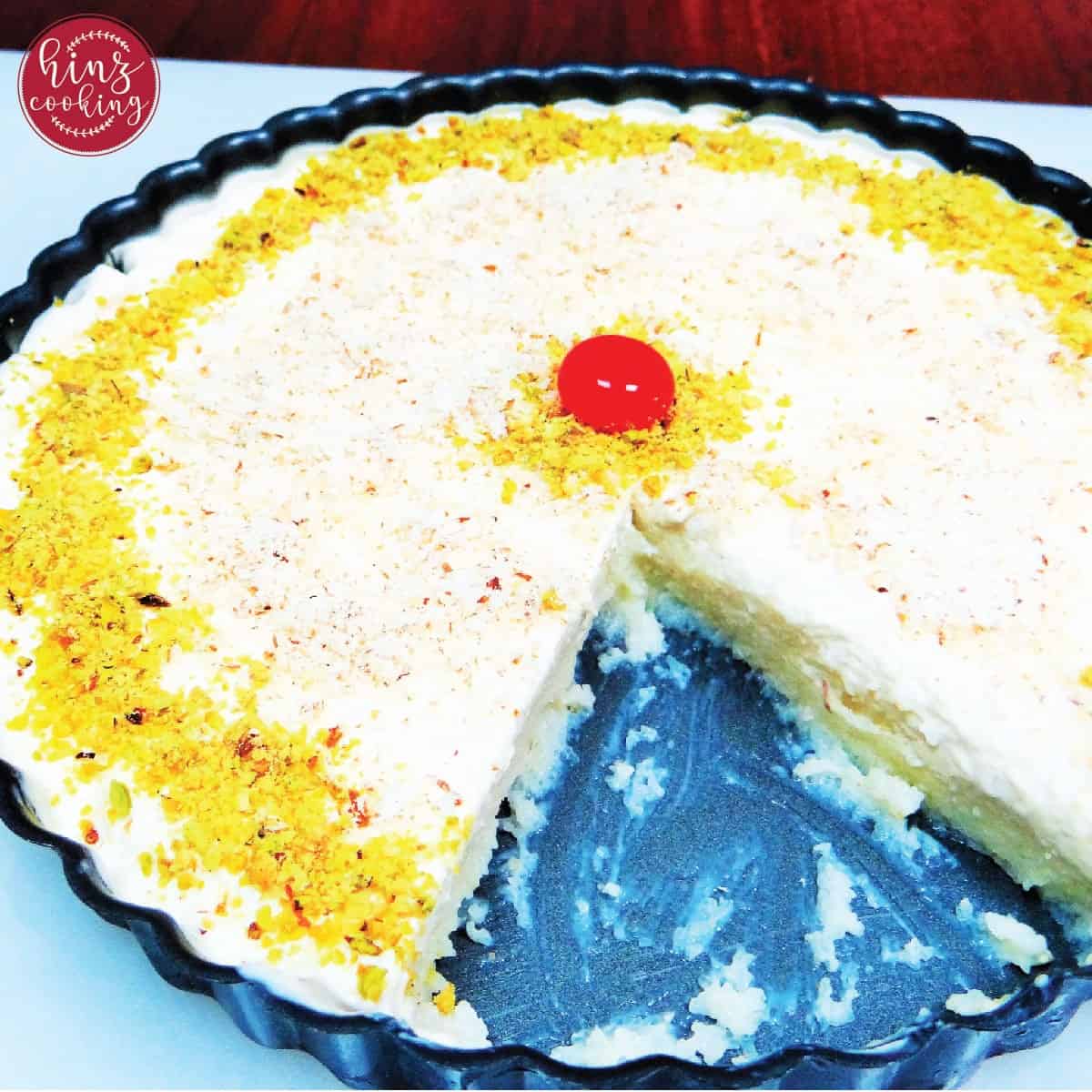
Gajrela | Gajar Ka Halwa | Suji Ka Halwa | Semolina Pudding | Caramel Custard | Nankhatai | Meethi Seviyan (Eid Special)
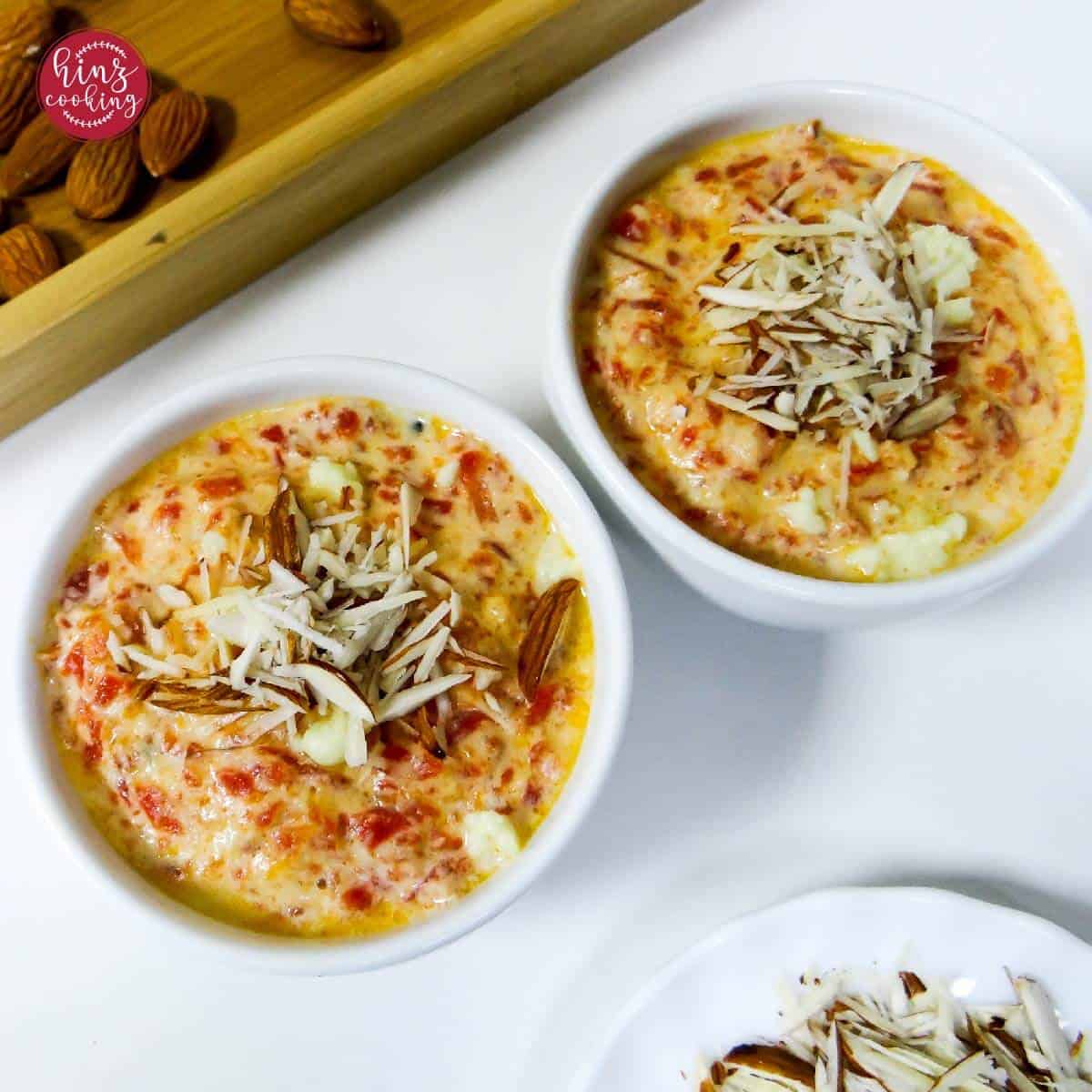
🥣 What do you call it Phirni or Firni?
⭐ Rate this recipe below
💬 Drop your questions in the comments
📲 Follow along on Instagram for more recipes.
Phirni Recipe (Firni) - Best Dessert For Ramadan and Eid
Ingredients
- ¼ cup Basmati Rice
- 20 strands Saffron (Zafran)
- 1 L Milk
- ½ cup sugar (white/brown)
- 1 cup Khoya optional
- 8 pods Green cardamom seeds
- ½ teaspoon Rosewater (Arq e gulab)
- 1 tablespoon Almonds
- 1 tablespoon Pistachios
Instructions
- Preparation of Rice: Thoroughly rinse basmati rice until it is clean, then soak it overnight to soften the grains.
- Once soaked, drain the water completely and allow the rice to dry at room temperature. After it has dried, coarsely grind it using a grinder.
- Preparation of Saffron milk: Place saffron strands in a cup of lukewarm milk and allow them to dissolve for 5 to 10 minutes.
- Phirni Cooking: Start by pouring milk into a pan and bringing it to a boil. Once boiling, add the soaked rice and stir quickly to prevent any lumps from forming.
- Continuously stir the mixture over low heat until the rice is soft and fluffy, resulting in a thick and creamy consistency.
- Next, incorporate saffron-infused milk, sugar, crushed cardamom seeds or powder, khoya, and rose water. Mix well to achieve a uniform texture.
- Cook on low heat while keeping an eye on the thickness of the phirni; if it appears semi-thick, remove it from the heat and promptly transfer it to a bowl to preserve a smooth texture.
- Top it off with roasted pistachios and almonds! Once the phirni reaches room temperature, place it in the refrigerator to chill before serving.
Video
Notes
- Ensure you use the correct ratios of milk and rice; otherwise, the phirni could end up either too runny or too firm. If it turns out runny, continue cooking it on low heat. While cooking, keep stirring the mixture with a rubber spatula, as both the milk and rice tend to stick to the bottom, which can impart a burnt taste.
- Choose your pot for making firni with care. Stainless steel pots work well! If you opt for a nonstick pan, be sure to stir frequently, as the sugar combined with milk can adhere to the surface.
- To enhance the sweetness of the firni, you can use any one of these; brown sugar, white granulated sugar, or jaggery.
- Using full-fat cow milk is ideal for preparing phirni.
- Adding khoya or mawa contributes to a wonderfully creamy texture in the phirni. You can also use condensed milk, or skip both if you're using particularly creamy milk. Avoid making firni with skimmed milk unless you have been specifically advised to do so.
- If you're preparing zafrani phirni, remember to double the amount of saffron, as it gives a subtle yellow and light brown hue.
- In the absence of rose water (arqe gulab), you can substitute it with kewra essence. Incorporate your favorite nuts into the phirni mixture or use them as a topping.
Hinz
Authentic phirni recipe with creamy thick and smooth texture. Perfect dessert for warming party, festivals and special occasions.
Caitlin
delicious! I've never had this dish before but our Pakistani friend is coming for dinner tonight so I decided I'd try to make something to remind him of home. I hope I got the texture right but it certainly tasted good to me. it's cooling now so I haven't had it with the nuts yet but I love my food to have textures so I'm sure it will only enhance.