
Bakra Eid — Eid ul Adha — is the most food-forward celebration in the Pakistani and Muslim calendar. For two or three days, every kitchen becomes a production line of meat dishes: biryanis, karahis, kababs, and slow-cooked curries that would not appear at any other time of the year. It is the one occasion when the largest pots come out, the most ambitious recipes get attempted, and every family has an opinion about whose biryani is the best.
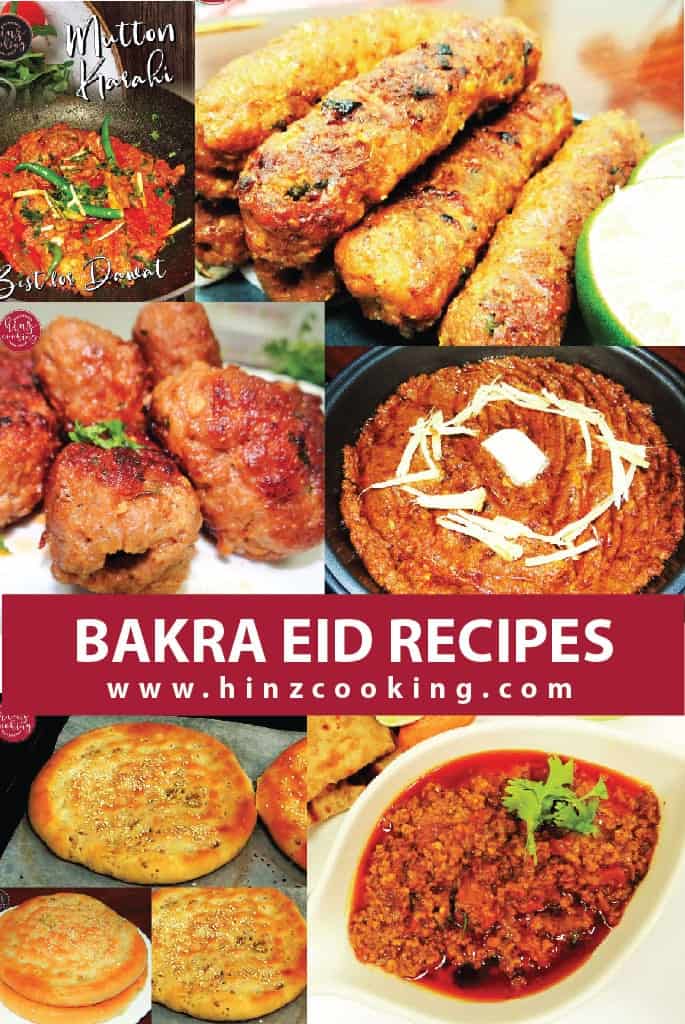
I grew up in Karachi, where Bakra Eid had its own specific rhythm. My mother would begin planning the menu at least a week before — which cuts to marinate overnight, which dishes could be made ahead, what to cook on the day itself versus what to prepare for leftovers. The Eid morning was always biryani. The evening was always BBQ. The day after was always whatever creative use of leftover gosht someone came up with.
Now I celebrate Eid in Dubai, where the Gulf tradition mixes with the Pakistani one. Eid here includes Mandi alongside biryani, Arabic kababs alongside seekh kabab, and the full spread from both food cultures on the same table. This collection reflects that — it covers every major Pakistani Eid recipe alongside the Arabic Gulf dishes that have become part of our celebration.
These are all tested recipes from my kitchen — written, photographed, and made by me. Every link takes you to the full recipe with step-by-step instructions and video where available.
Jump to:
- What is Bakra Eid And Why is Meat Central?
- How To Plan Your Bakra Eid Menu
- SECTION 1 — BIRYANI (THE EID CENTERPIECE)
- SECTION 2 — KABAB & BBQ (EID EVENING ESSENTIAL)
- SECTION 3 — MUTTON & LAMB CURRIES (DAYS 2 & 3)
- SECTION 4 — KEEMA DISHES (BEST USE OF MINCED MEAT)
- SECTION 5 — ARABIC GULF EID DISHES
- SECTION 6 — EID BREAD (WHAT TO SERVE WITH EVERYTHING)
- SECTION 7 — EID DESSERTS
- Bakra Eid Cooking Tips
- How to Store and Freeze Qurbani Meat
- Frequently Asked Quetions
What is Bakra Eid And Why is Meat Central?
Bakra Eid (also called Eid ul Adha, بکرا عید, or the Festival of Sacrifice) is one of the two major Islamic celebrations observed globally. It commemorates the willingness of Prophet Ibrahim (AS) to sacrifice his son as an act of obedience to God. The tradition of Qurbani — ritual sacrifice of a halal animal (typically goat, lamb, or cow) — results in a large quantity of fresh meat being distributed across family, neighbors, and those in need. The portion kept by the family forms the basis of several days of cooking — which is why Bakra Eid has become the most meat-intensive food occasion in Pakistani and South Asian Muslim culture.
How To Plan Your Bakra Eid Menu
Before diving into the recipes, here is how Pakistani families traditionally structure the three Eid days — a framework you can use whether you are cooking for a small family or a large gathering:
Eid Day 1 — The celebration meal: This is the centerpiece day. Biryani (beef or mutton) for lunch is the most common choice across Pakistan. BBQ (seekh kabab, chapli kabab, boti) for the evening. Sheer Khurma or kheer as dessert.
Eid Day 2 — Using the fresh cuts: Day two is when the more elaborate curries appear — Nihari if you have someone who can slow-cook overnight, Paya (trotters), Aloo Gosht with the bone-in pieces, and Keema dishes with the minced meat.
Eid Day 3 — Clearing the freezer: Kababs from leftover keema, Biryani if there is any rice left, and creative one-pot dishes. Shami kabab batches that can be frozen for the coming month.
The make-ahead principle: Professional Eid cooks in Pakistan prepare as much as possible the night before — marinating all the meat overnight, making birista (crispy fried onions) a day ahead, cooking the biryani base curry (korma) the evening before and refrigerating. This reduces the day-of pressure significantly.
SECTION 1 — BIRYANI (THE EID CENTERPIECE)
No Bakra Eid spread is complete without biryani. These are the most-made biryani recipes in Pakistani Eid kitchens:
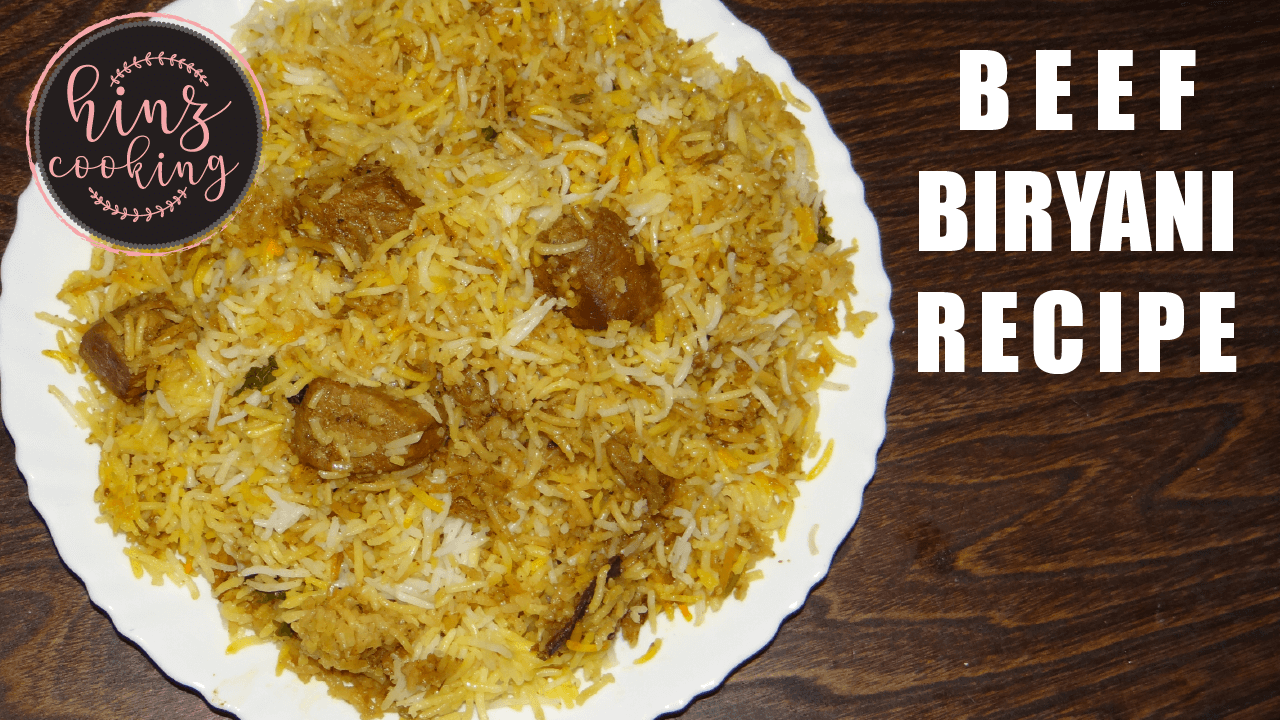
1. Beef Biryani
The traditional Bakra Eid centerpiece. Beef (gosht) takes longer to cook than chicken — a slow-braised beef korma base that has fully tenderized produces a biryani with a depth of flavor that chicken biryani cannot match. Cook the beef korma the night before and refrigerate overnight. The flavor deepens significantly. Full Beef Biryani Recipe →
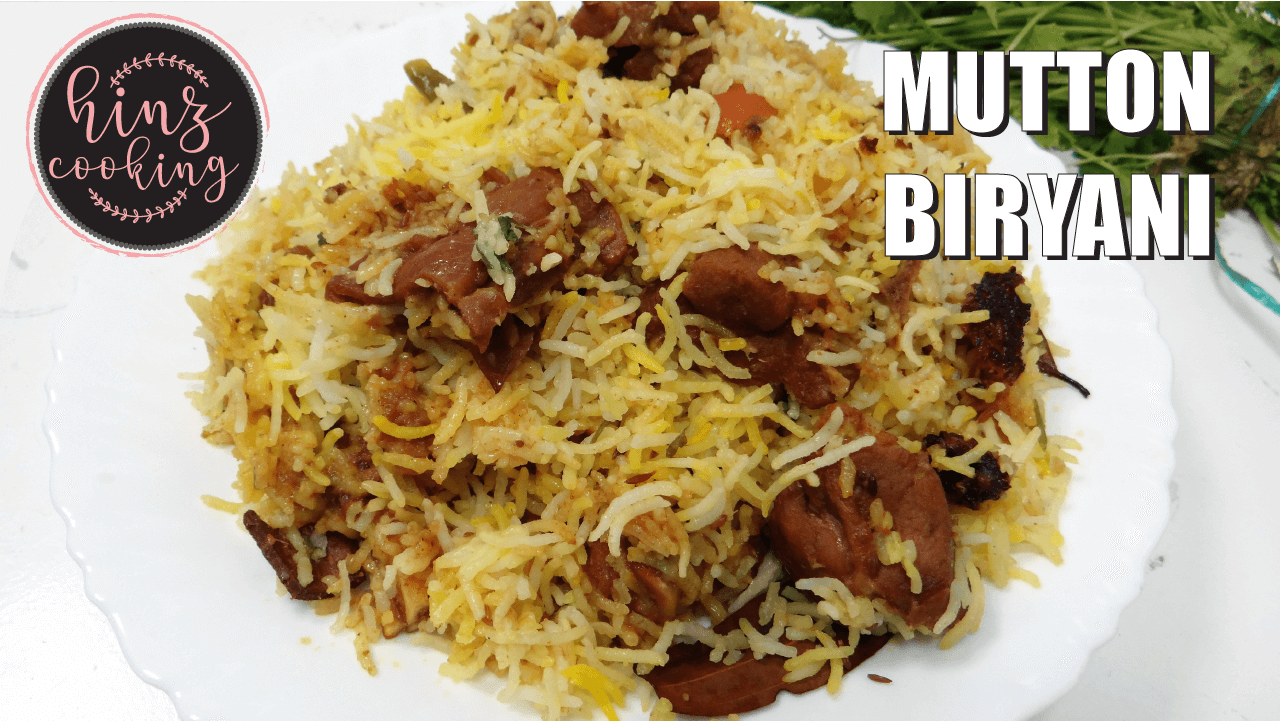
2. Mutton Biryani
Bone-in mutton produces the richest biryani stock. The collagen from the bones renders into the curry during slow cooking and gives the dum rice a silky, deeply savory quality. Plan for 90 minutes of curry cooking before layering. Full Mutton Biryani Recipe →
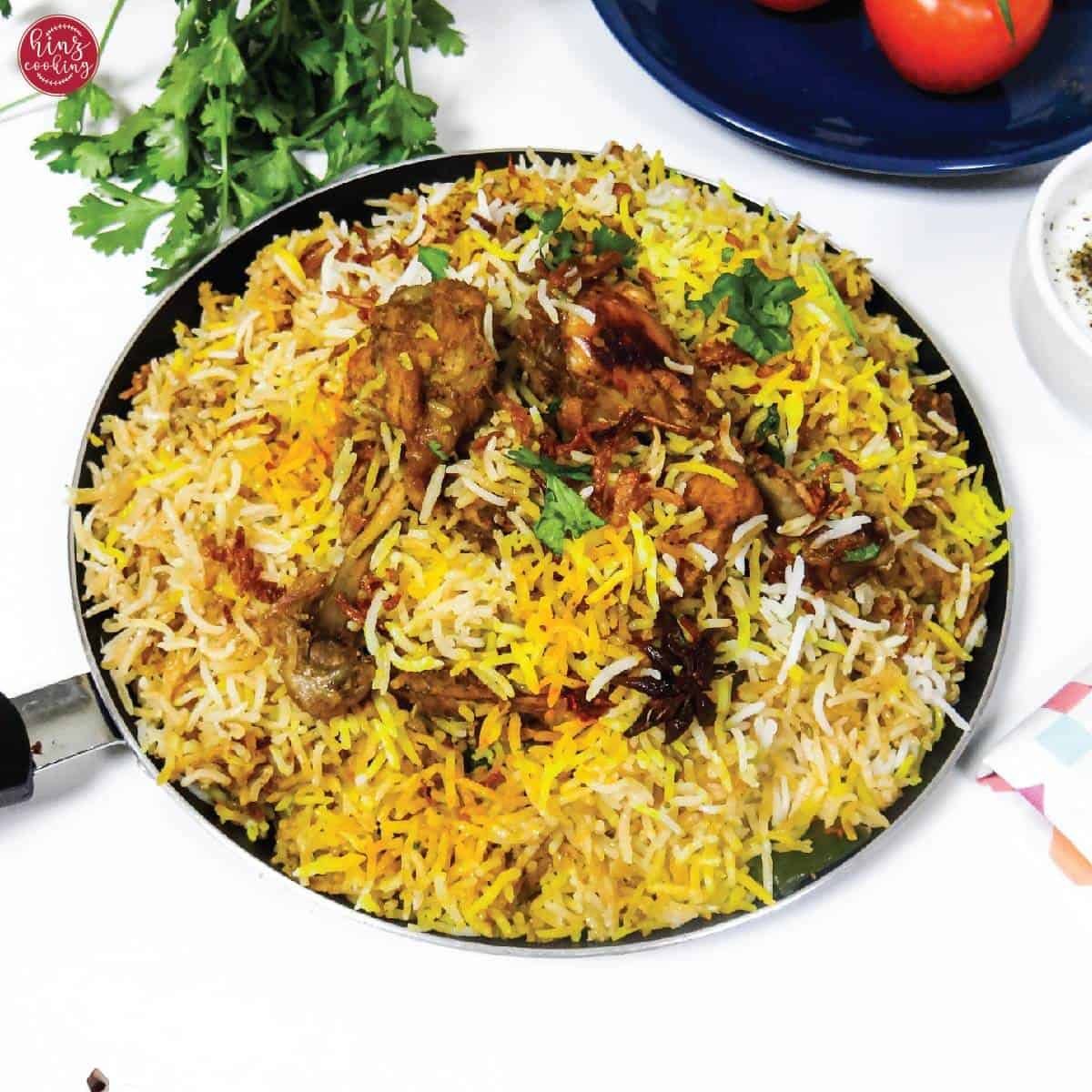
3. Karachi Biryani
The street-food biryani of Pakistan's largest city — bolder, spicier, and more tomato-forward than other styles. Made with bone-in chicken or mutton, potatoes, and aloo bukhara dried plums. Three-color rice layering is the visual signature. Full Karachi Biryani Recipe →
SECTION 2 — KABAB & BBQ (EID EVENING ESSENTIAL)
Eid evening in Pakistan is BBQ. These are the kababs that appear on every grill, tawa, and pan across the country:
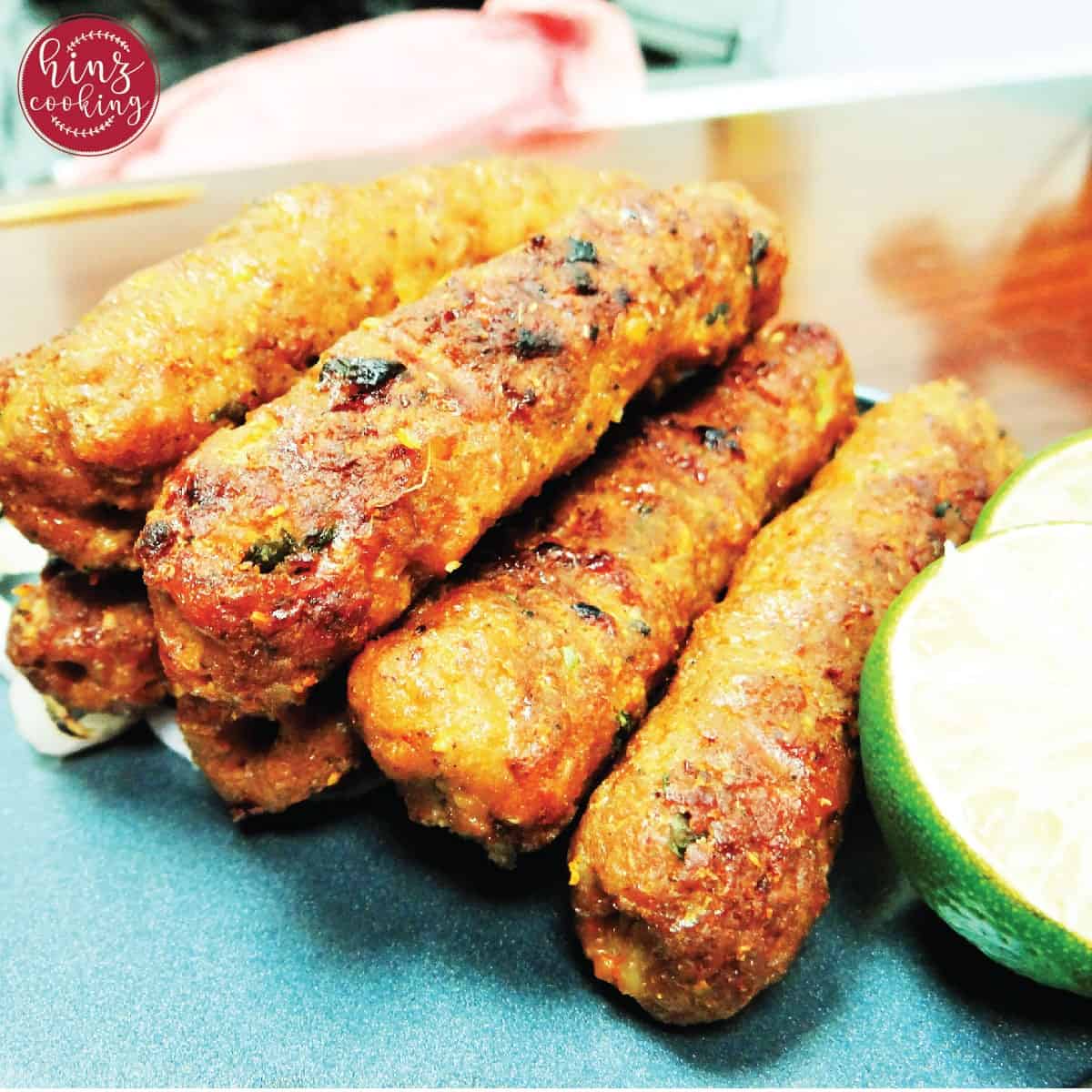
4. Seekh Kabab (Mutton)
The most popular Eid BBQ kabab — mutton mince seasoned with fresh herbs, spices, and garam masala, formed onto skewers, and grilled or pan-fried until charred and juicy. Make the mixture the night before and refrigerate — it holds together better when cold. Full Seekh Kabab Recipe →
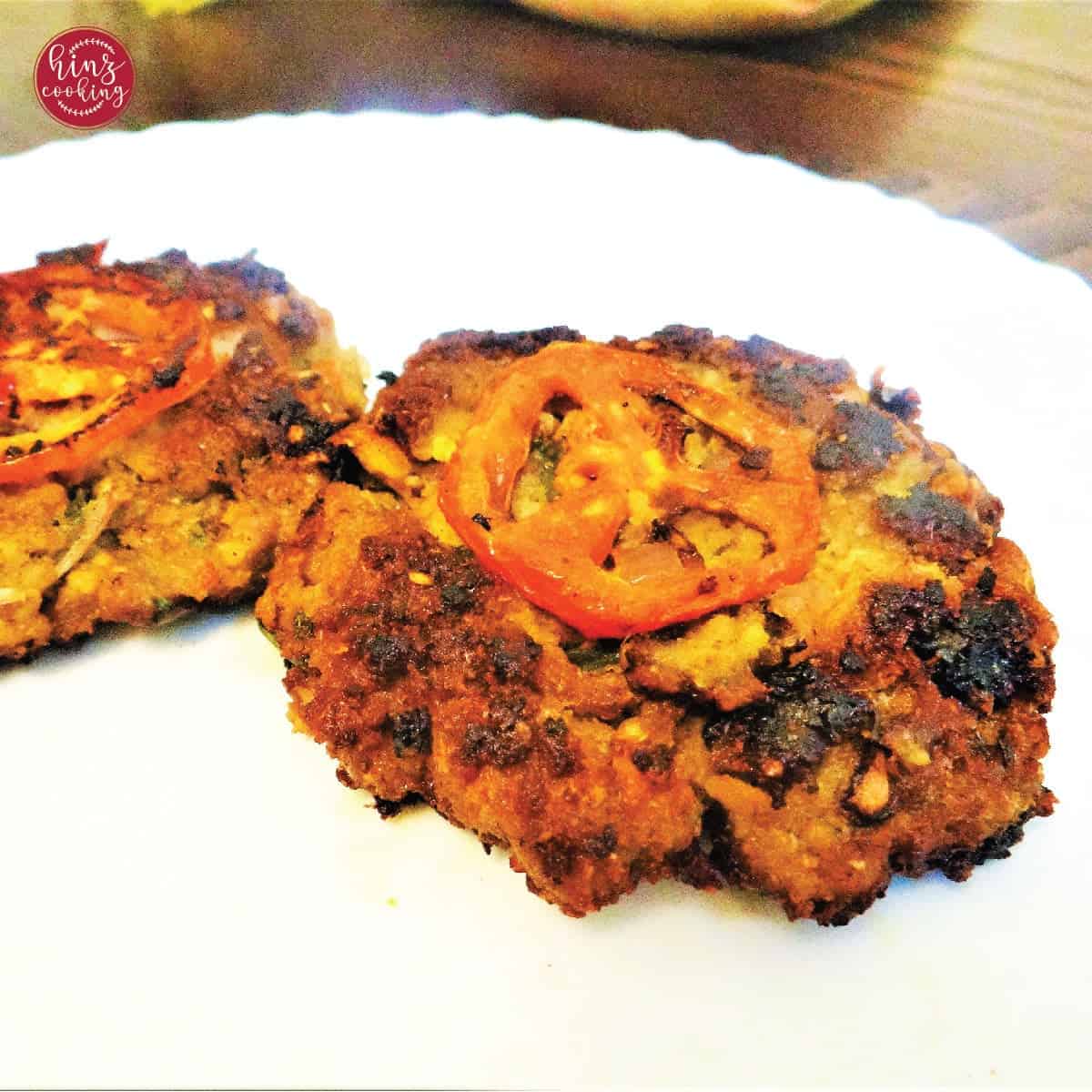
5. Chapli Kabab (Peshwari Style)
The flat, disc-shaped kabab from the Peshawar region — beef or mutton mince mixed with pomegranate seeds, tomato, and green chilies. The crunchy edge and juicy center are the result of shallow frying in generous oil. Chapli kabab is one of the most distinctive regional kababs in Pakistan. Full Chapli Kabab Recipe →
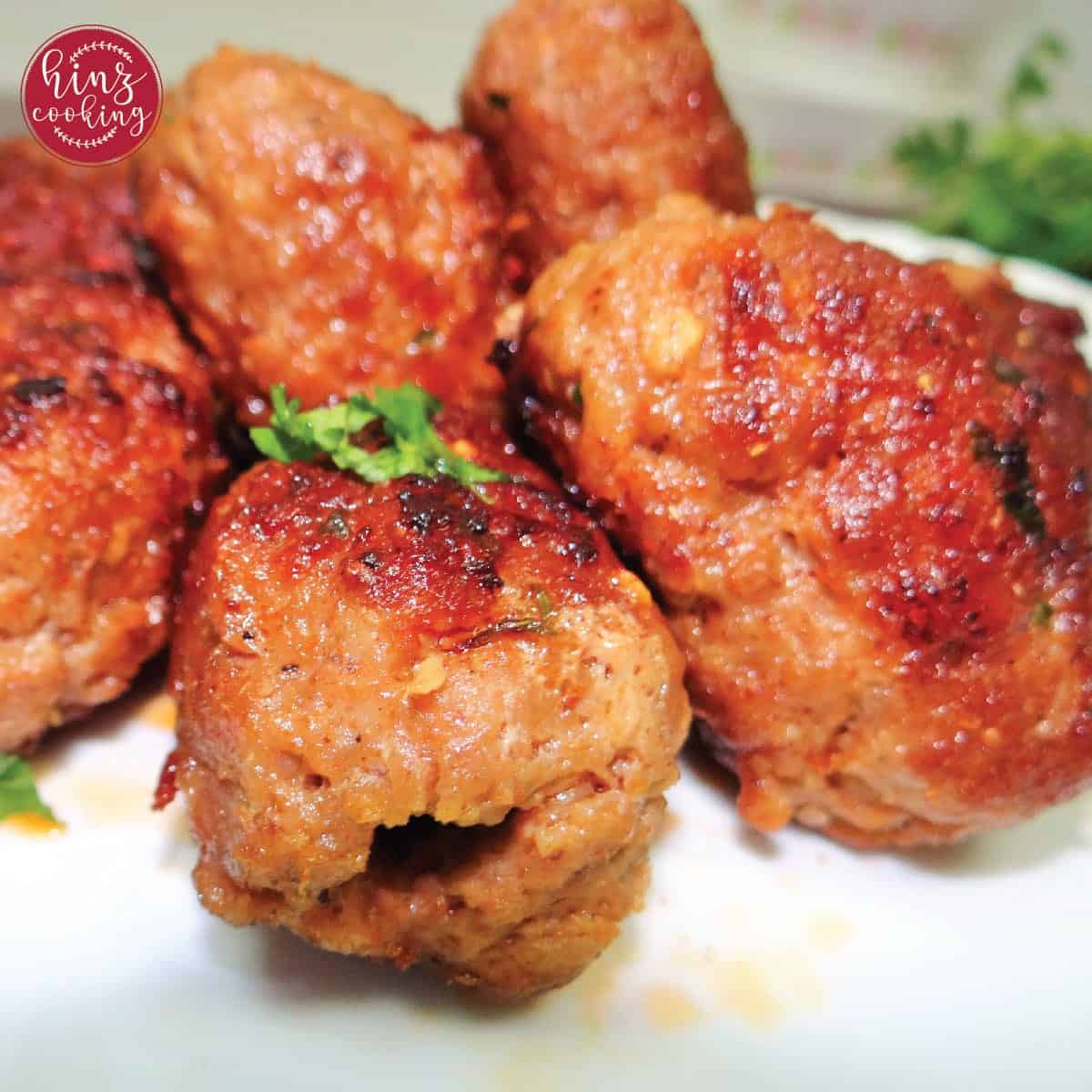
6. Gola Kabab
A Karachi specialty — round, smooth mince kababs cooked on a tawa without skewers. Softer than seekh kabab and more richly spiced. The name "gola" means ball in Urdu — the round shape is its identifying characteristic. Full Gola Kabab Recipe →
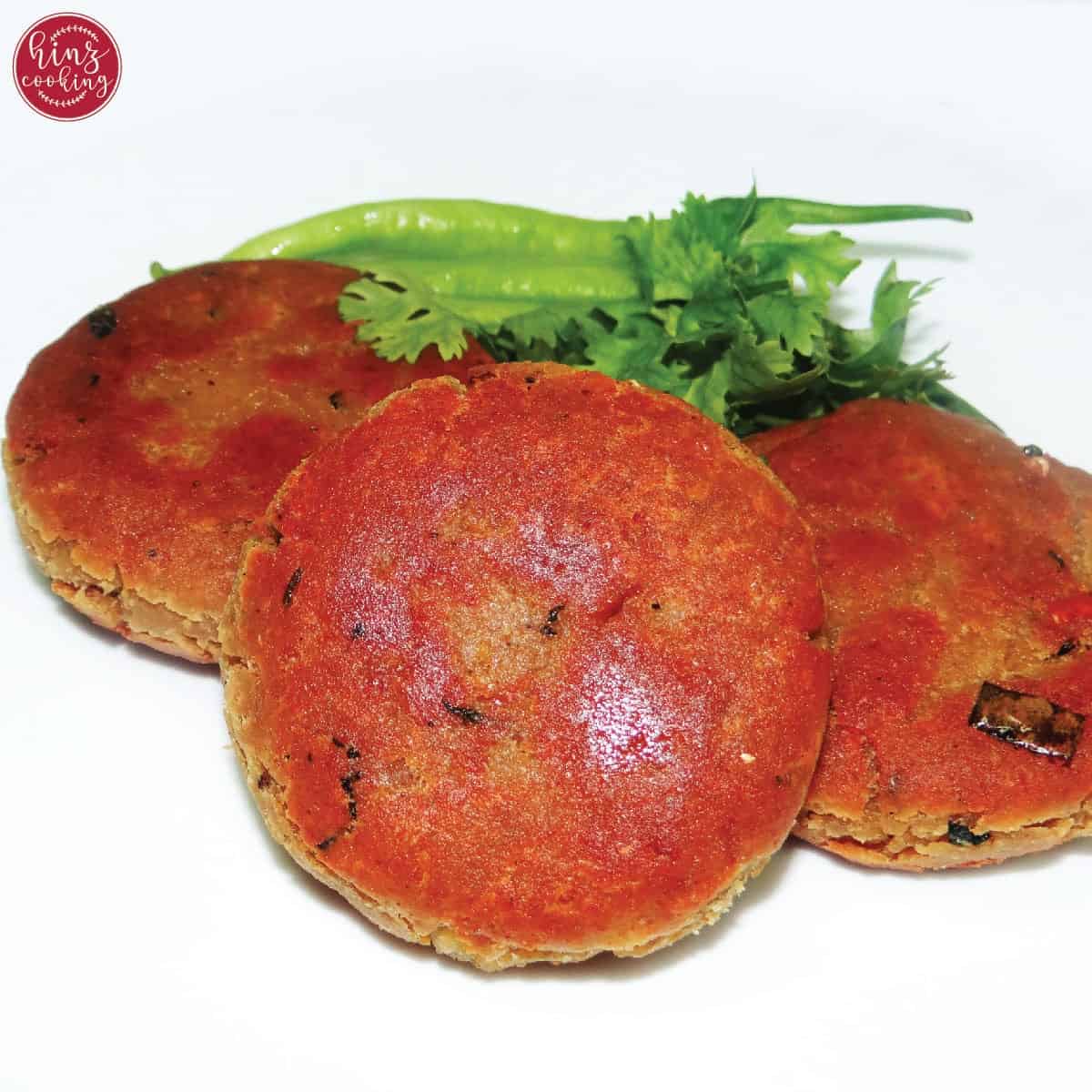
7. Shami Kabab (Mutton)
The Eid kabab that freezes best — make large batches, fry until golden, and freeze in layers. Shami kabab made from Eid gosht are a staple for weeks after Eid in Pakistani households. The soft, melt-in-the-mouth texture comes from slow-cooking the meat with lentils until completely tender before forming. Full Mutton Shami Kabab Recipe →
8. Kacha Keema Kabab (Galouti Kebab)
Made from raw minced meat — seasoned, shaped, and shallow fried. Simpler and quicker than Shami or Seekh but packed with flavor. A good use of freshly minced Eid meat the same day it is prepared. Full Kacha Keema Kabab Recipe →
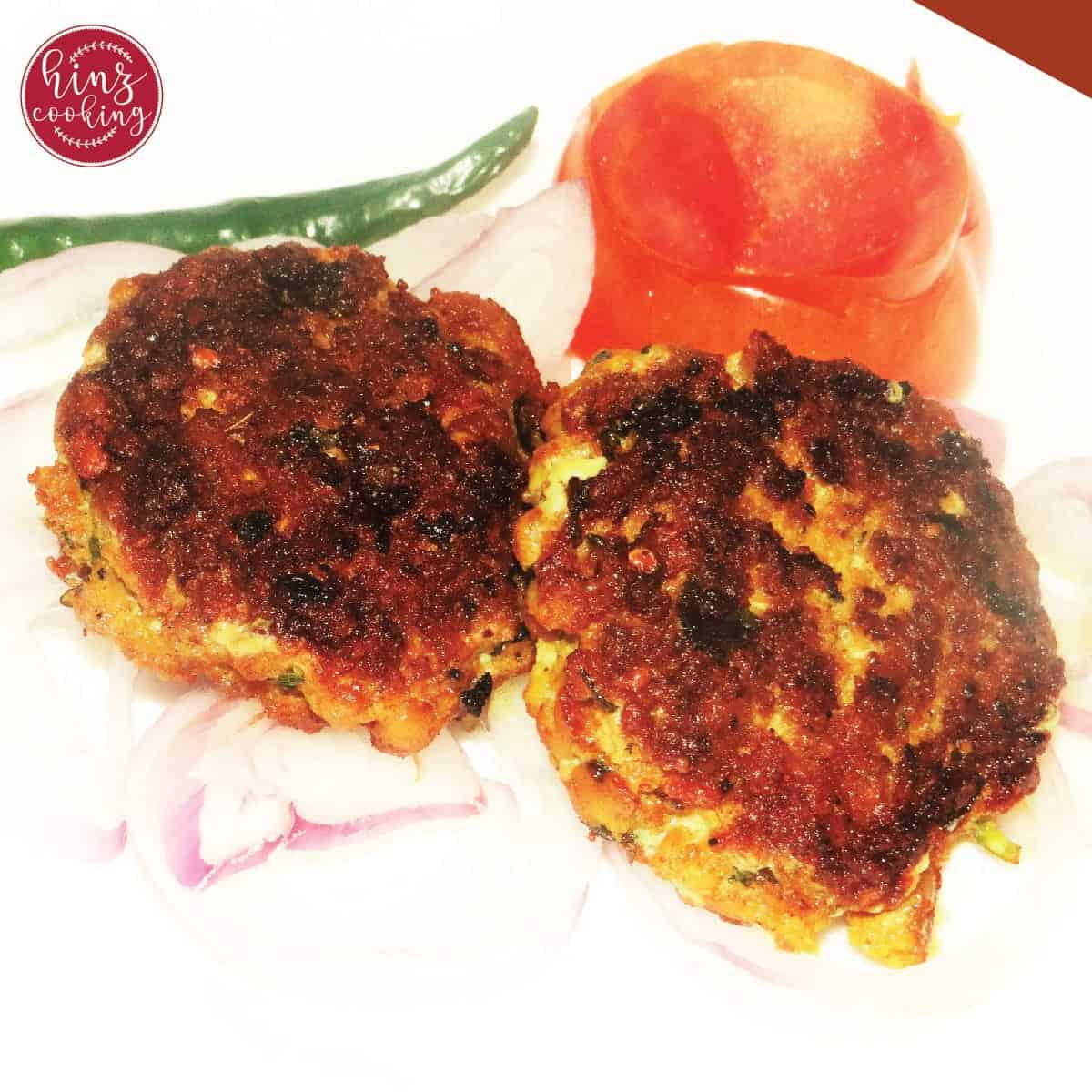
9. Fry Kabab
A Pakistani-style fried patty kabab — easier to make than seekh and a good option for children. Can be made with beef, mutton, or a mix. Full Fry Kabab Recipe →
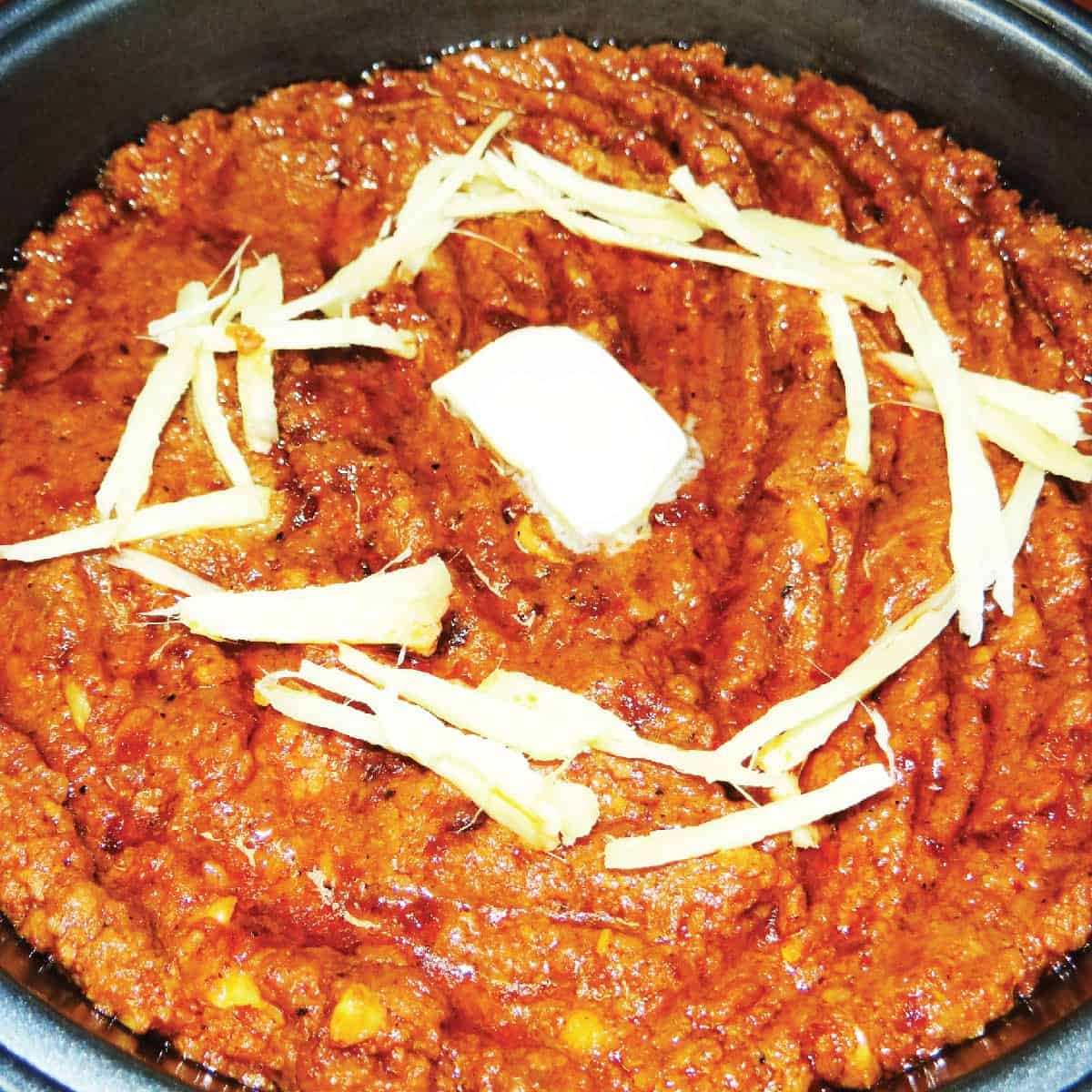
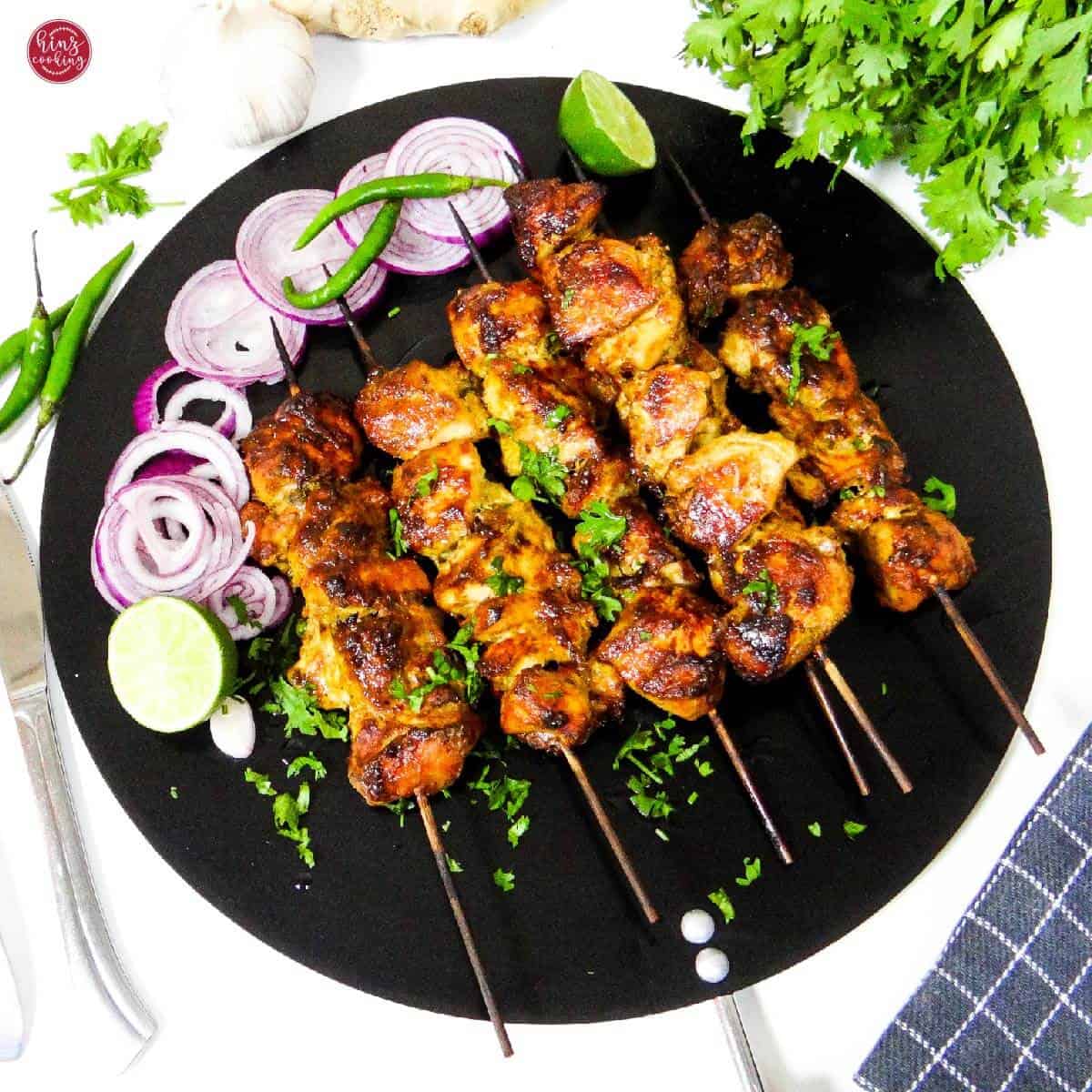
10. Shish Tawook (Arabic Grilled Chicken)
For the Arabic Gulf side of the Eid table — marinated chicken skewers grilled until charred and juicy. If you have chicken alongside the Qurbani gosht, Shish Tawook as a BBQ addition is the most crowd-pleasing option for guests who prefer chicken over red meat. Full Shish Tawook Recipe →

SECTION 3 — MUTTON & LAMB CURRIES (DAYS 2 & 3)
These are the dishes made once the initial celebration has passed and the full range of fresh gosht is available:
11. Mutton Karahi (Lahori Style)
The most beloved Pakistani gosht recipe — bone-in mutton cooked in a wok (karahi) with tomatoes, yogurt, and ginger-garlic. The technique of cooking in a karahi over high heat creates the charred, intensely flavored result that defines this dish. Full Mutton Karahi Recipe →
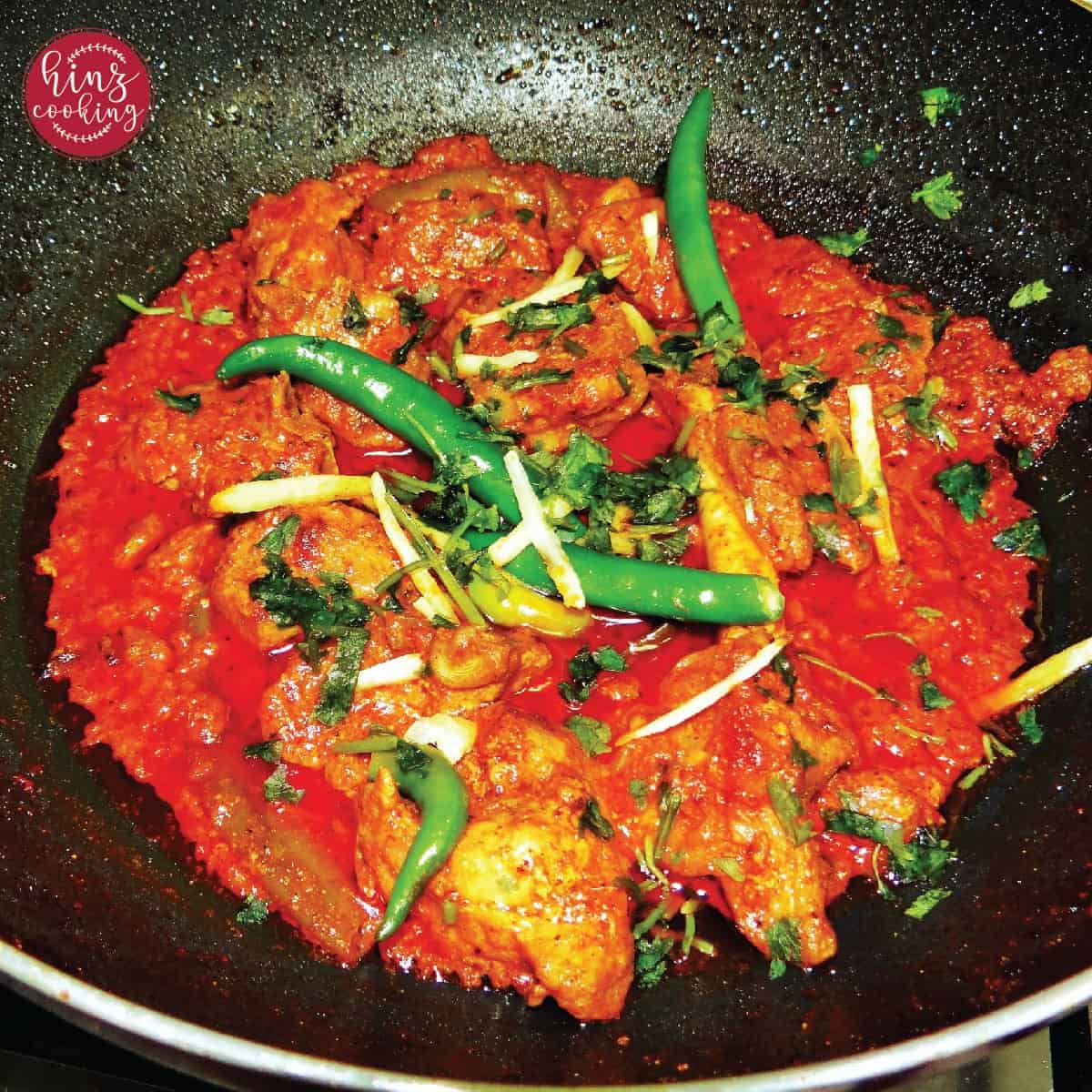
12. Aloo Gosht
One of the great comfort curries of Pakistani cooking — bone-in lamb with large potato pieces in a deep, slow-cooked shorba gravy. This dish benefits from the longest cooking time — the meat should be falling off the bone and the potatoes should have absorbed all the curry flavor. Full Aloo Gosht Recipe →
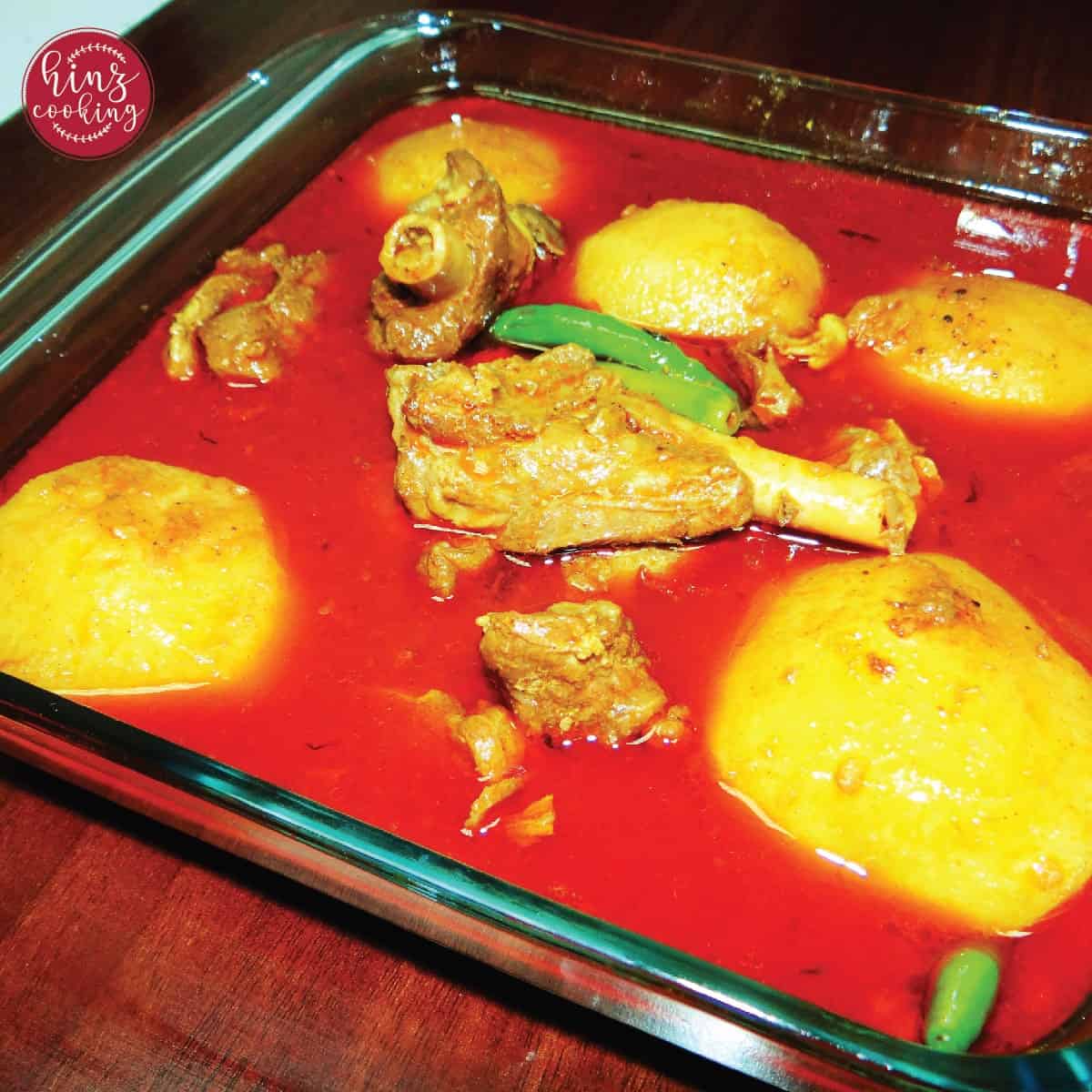
13. Bhuna Gosht
The dry-style mutton curry — bhuna means "to fry/sauté until the oil separates." The result is concentrated, deeply savory mutton with almost no gravy. Serve with naan for scooping. One of the most intensely flavored ways to cook Eid gosht. Full Bhuna Gosht Recipe →
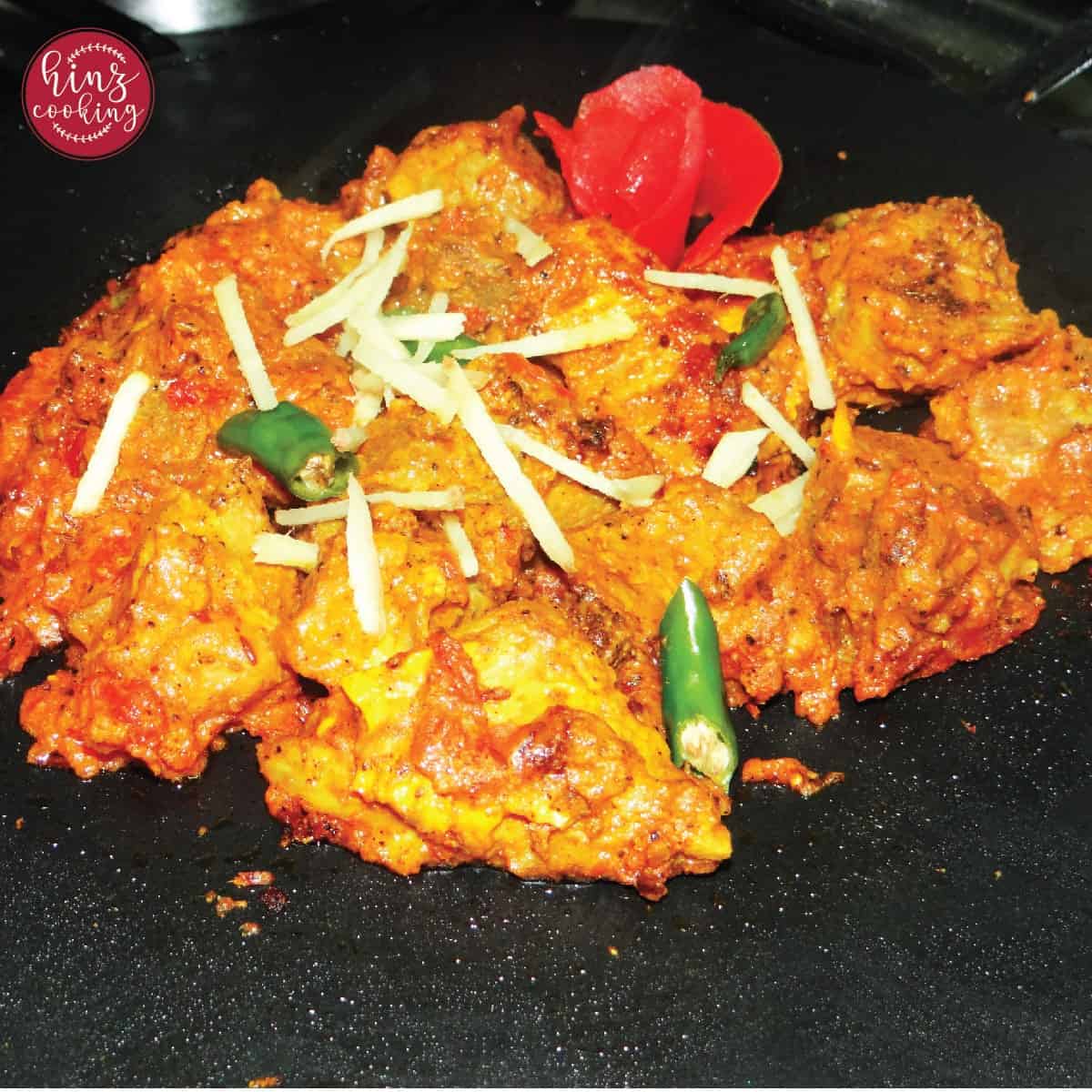
14. Hyderabadi Mutton Masala
A rich, spiced mutton curry in the Hyderabadi style — yogurt-heavy, fragrant with whole spices, and finished with fried onions. A more complex preparation than karahi — worth making for a day-two gathering. Full Hyderabadi Mutton Masala Recipe →
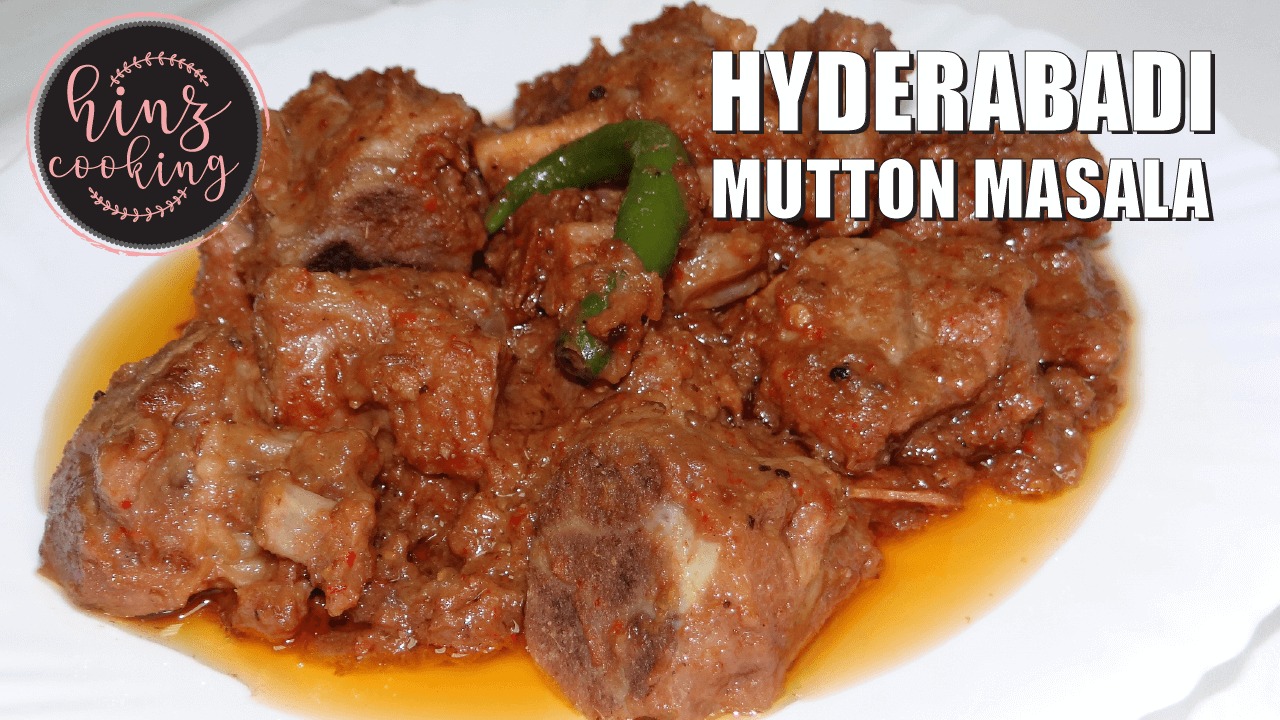
15. Chicken Karahi (Lahori Street Style)
For any guests who prefer chicken on the Eid spread — or for a lighter dish alongside the heavier gosht curries. Lahori chicken karahi is the fastest and most reliable chicken curry in Pakistani cooking. Full Chicken Karahi Recipe →
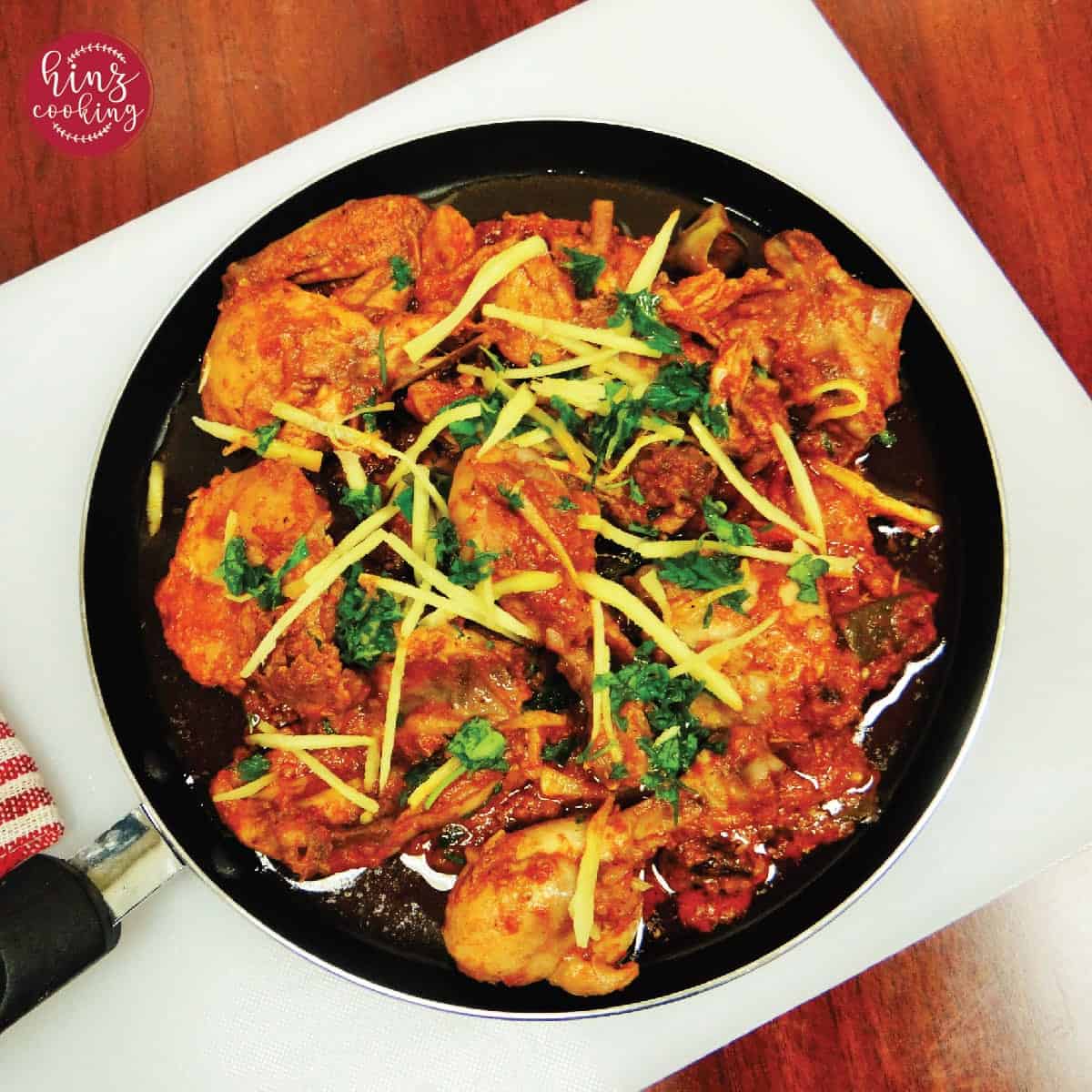
SECTION 4 — KEEMA DISHES (BEST USE OF MINCED MEAT)
Minced meat (keema) from Qurbani gosht is one of the most versatile Eid ingredients. These are the best ways to use it:
16. Keema Curry
The foundational keema dish — minced mutton or lamb in a tomato and yogurt masala. Quick to cook (30 minutes vs the 90 minutes required for bone-in curry). Excellent with naan, paratha, or over rice. Full Keema Curry Recipe →
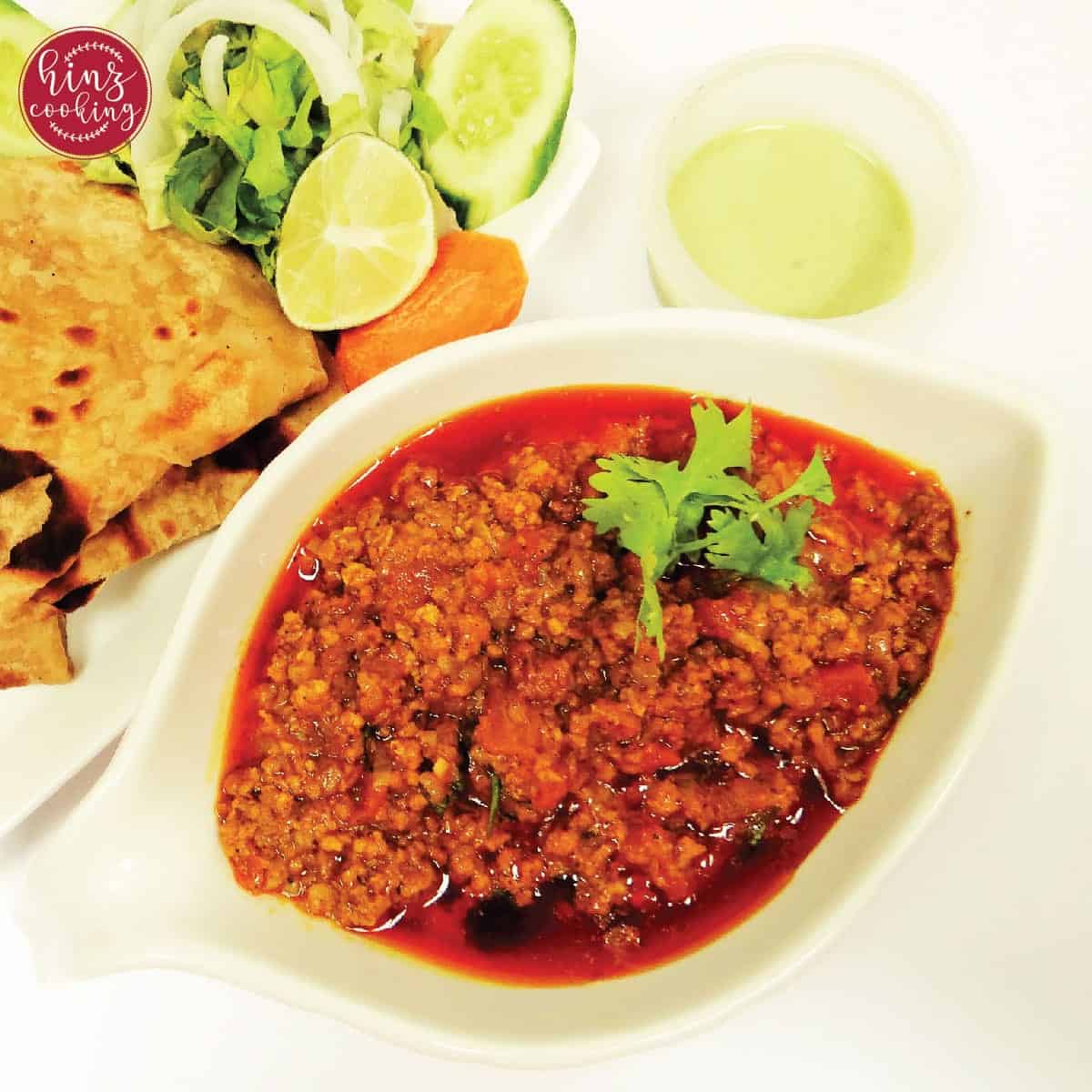
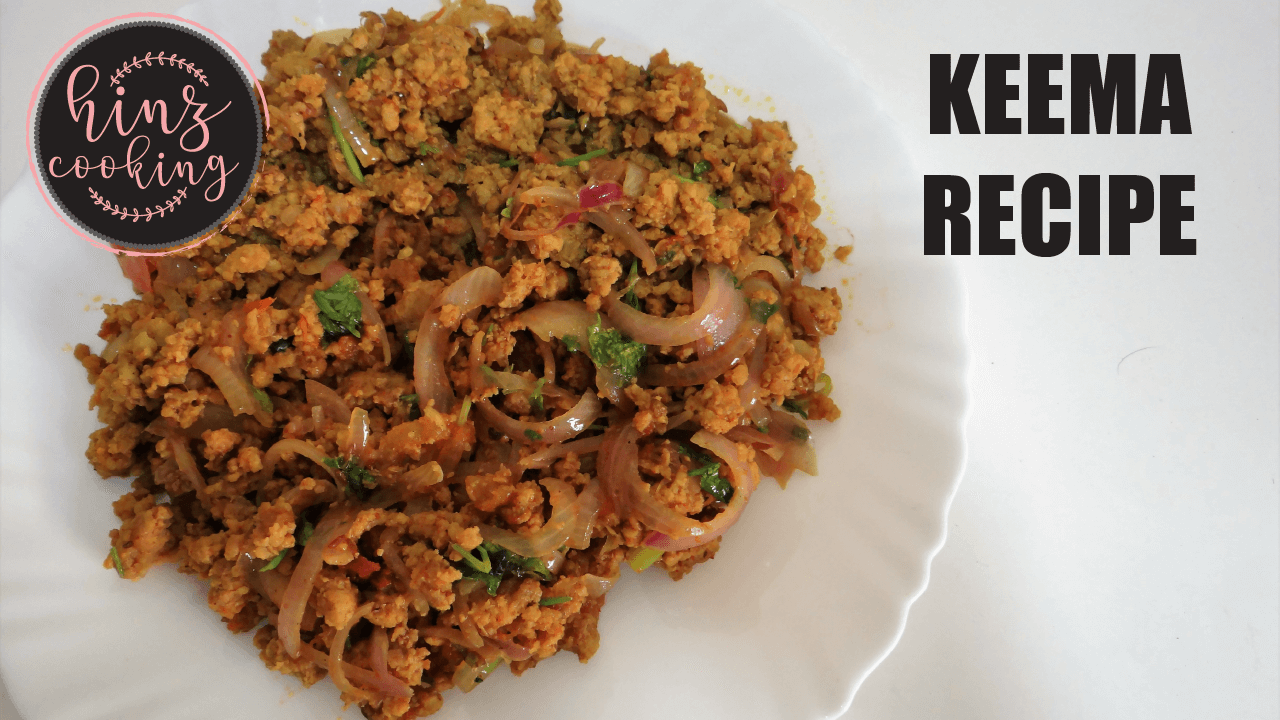
17. Mutton Keema Fry
A dry-style keema — no gravy, high heat, fragrant spices. Used as a filling for parathas, naan, or eaten directly as a side dish. One of the fastest ways to use fresh Eid keema. Full Mutton Keema Fry Recipe →
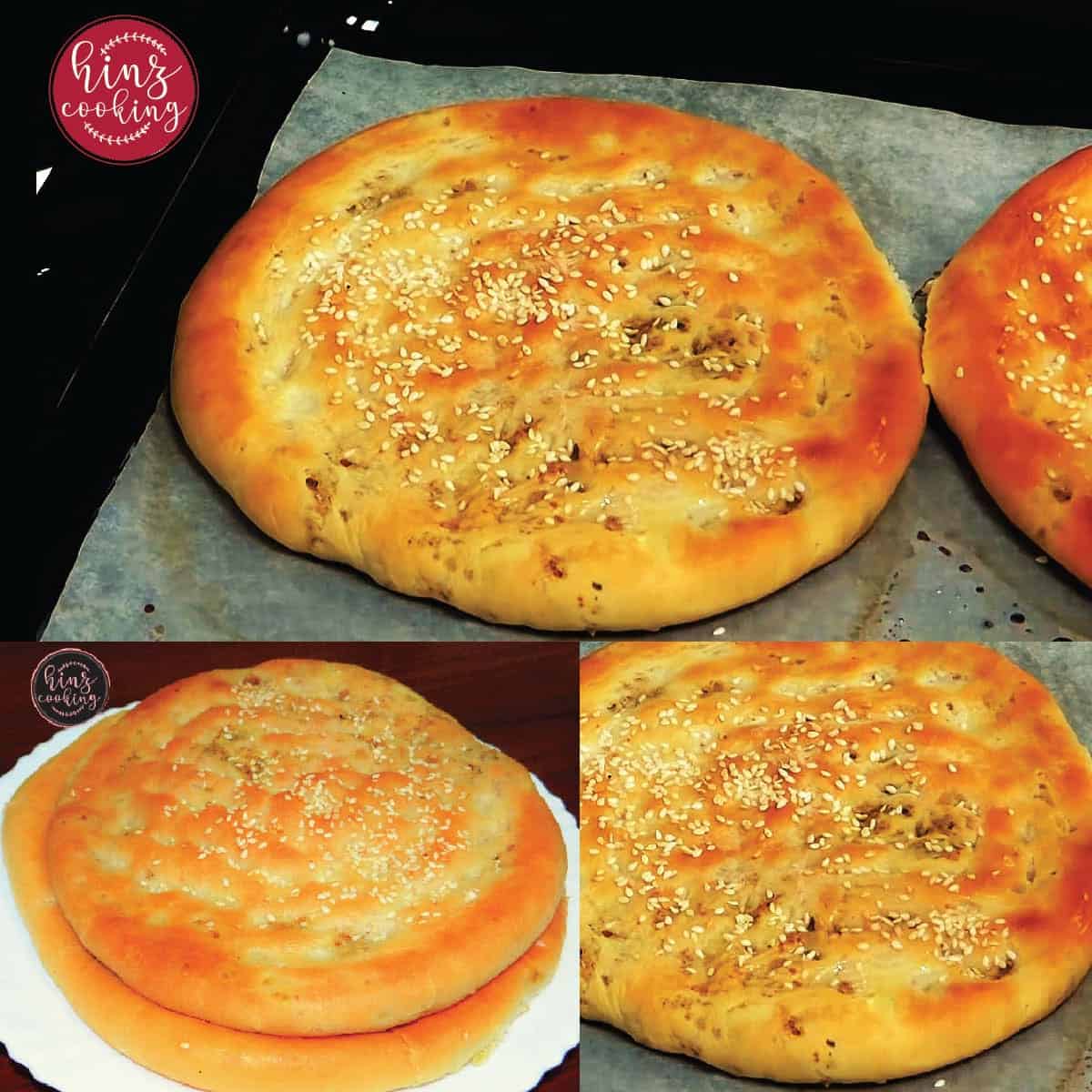
18. Lahori Keema Naan
Mutton keema cooked and stuffed inside naan dough — baked in the oven or cooked on a tawa. One of the most popular street foods from Punjab and Amritsar. A high-effort recipe but extraordinary for a large Eid gathering. Full Keema Naan Recipe →
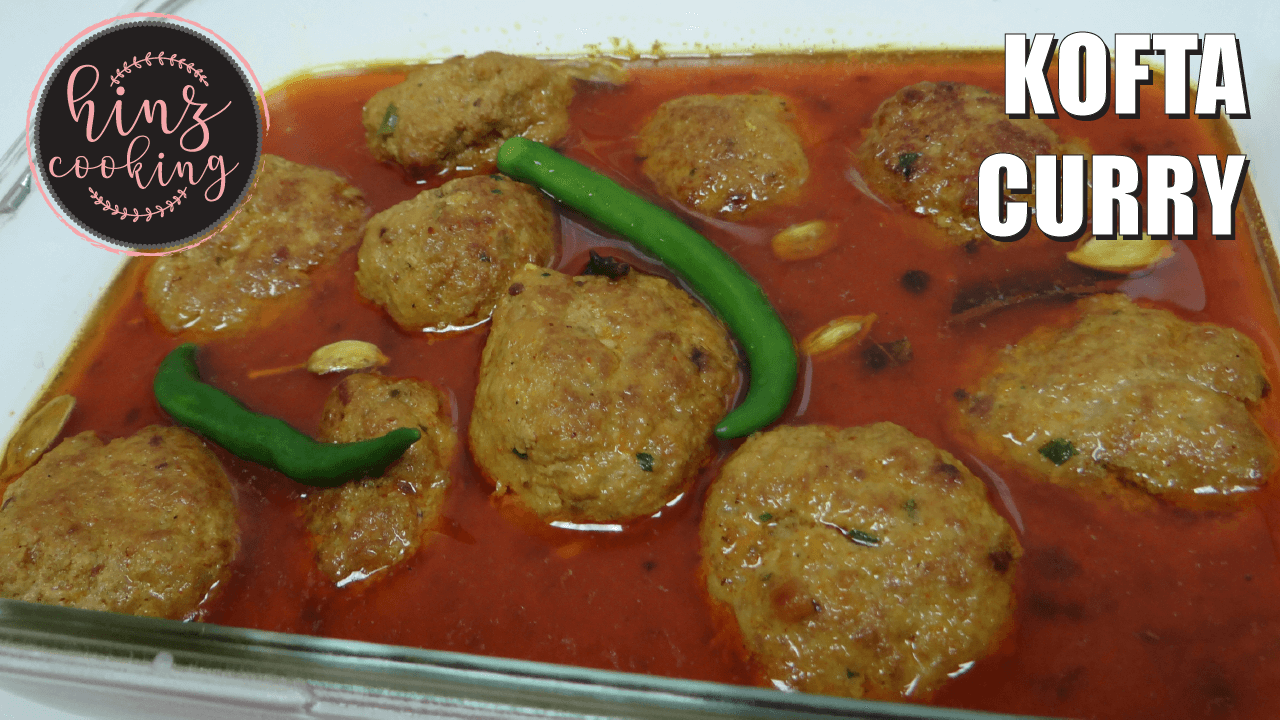
19. Kofta Curry
Minced meat formed into balls (kofta) and simmered in a spiced tomato gravy. The kofta absorb the curry as they cook and swell slightly — producing a different texture from keema curry even when using the same minced meat. A Pakistani classic that every home cook should know. Full Kofta Curry Recipe →
SECTION 5 — ARABIC GULF EID DISHES
For those celebrating Eid with a mix of Pakistani and Gulf traditions — as many families in the UAE, UK, and internationally do:
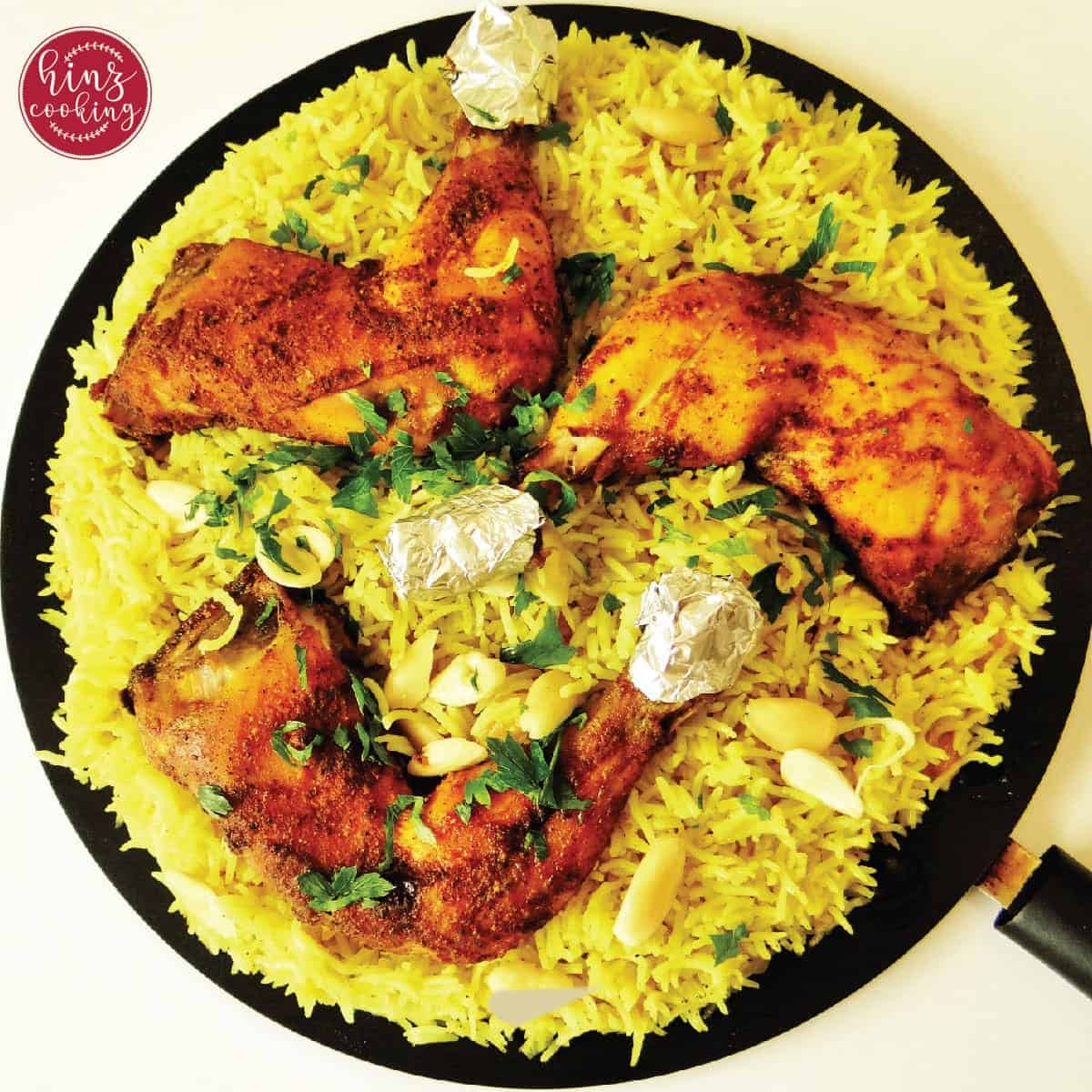
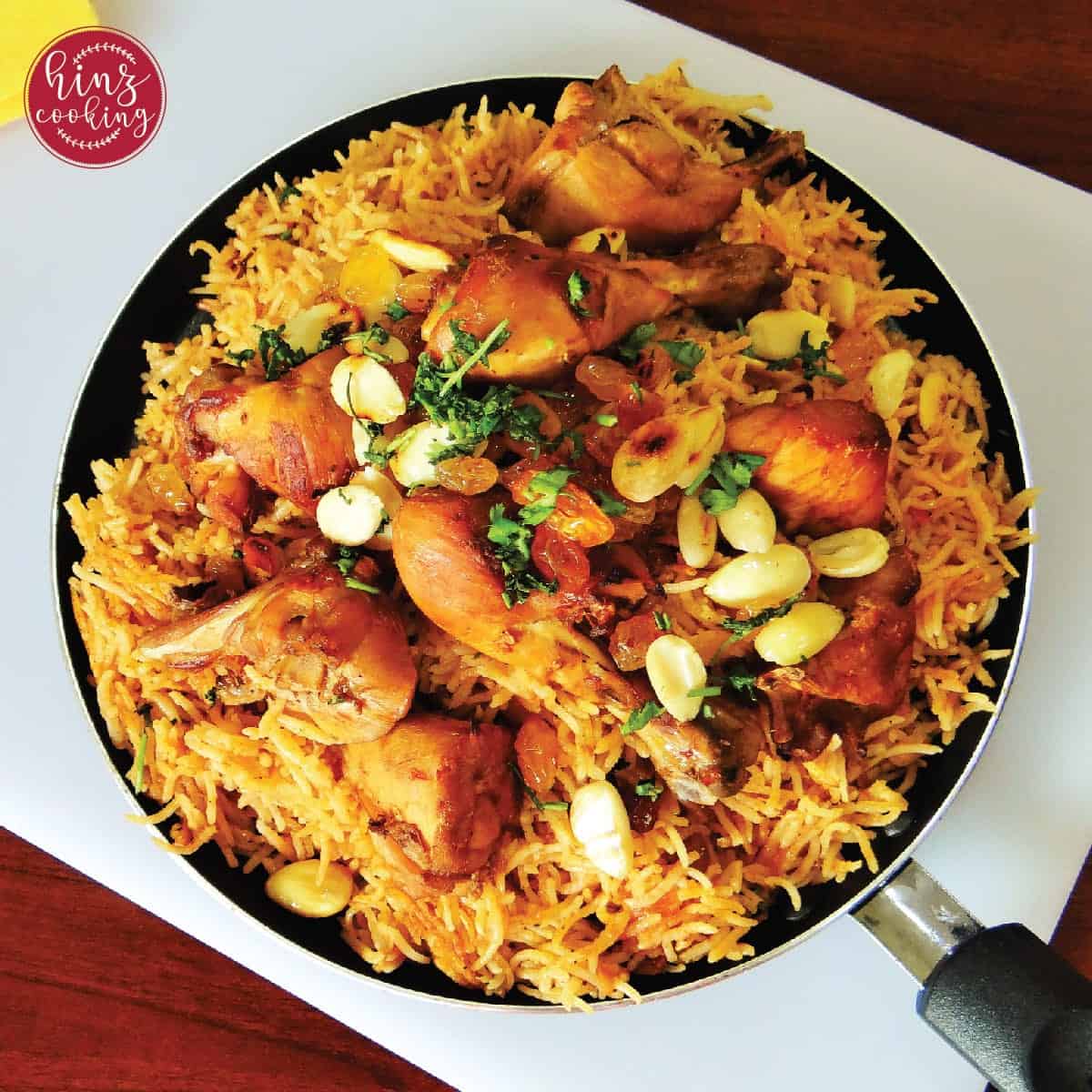
20. Chicken Mandi (Oven-Baked)
The Gulf's answer to biryani — slow-cooked chicken above saffron Hawaij rice in a sealed oven, finished with a charcoal smoke trick. Mandi is as central to Eid celebrations in Saudi Arabia, UAE, and Yemen as biryani is in Pakistan. If your Eid guests include Gulf Arab families or if you have adopted Gulf food traditions, Mandi is the dish. Full Chicken Mandi Recipe →
21. Chicken Kabsa
Saudi Arabia's national dish — the tomato and dried lemon chicken rice that is served at every Gulf Eid gathering. If you want to cook something that spans both Pakistani and Arab traditions, Kabsa alongside biryani covers every guest. Full Chicken Kabsa Recipe →
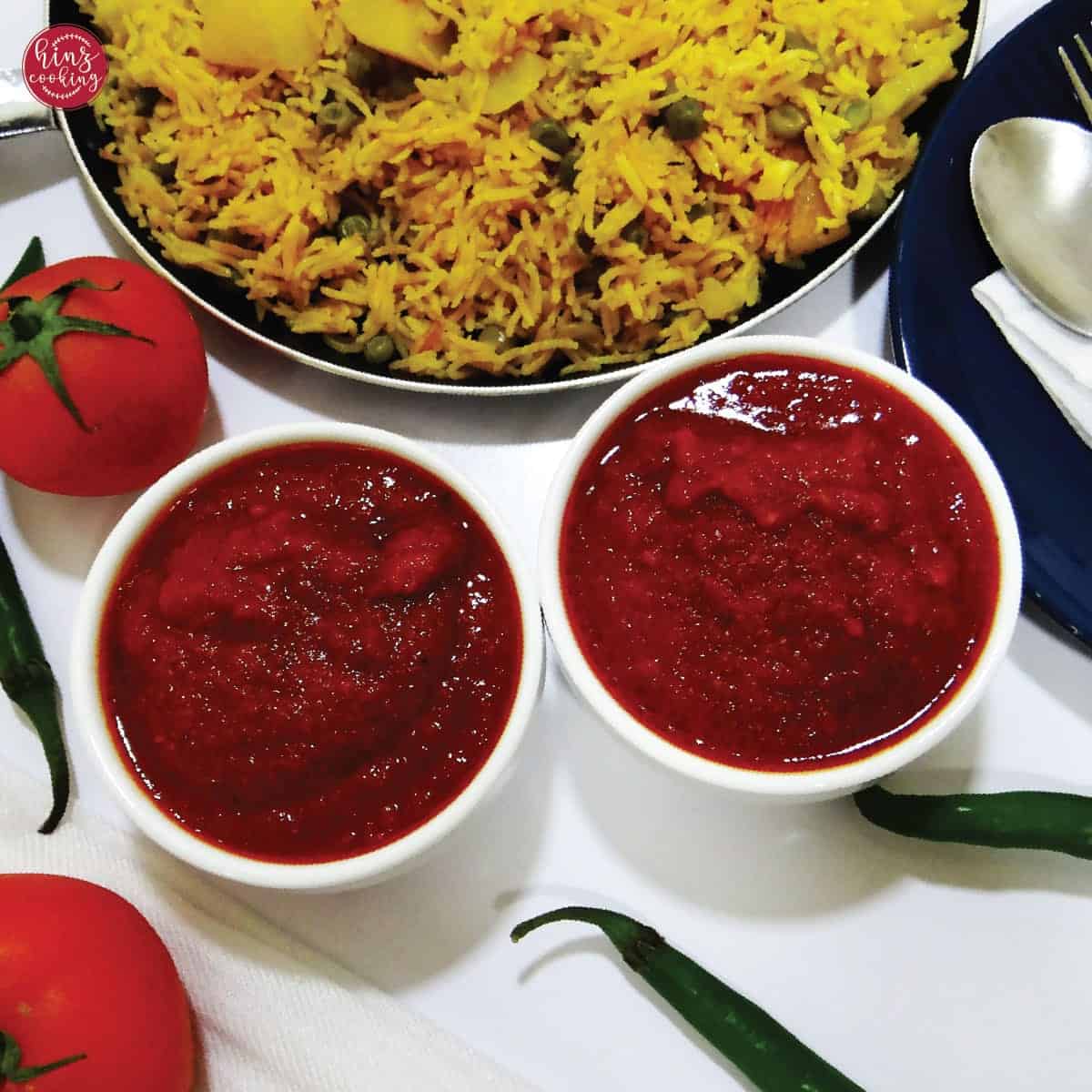
22. Dakkous — Arabic Tomato Sauce
The essential accompaniment for both Mandi and Kabsa. Made in 10 minutes from fresh tomatoes, garlic, and olive oil. No Gulf Eid table is complete without a bowl of Dakkous alongside the rice dishes. Full Dakkous Recipe →
SECTION 6 — EID BREAD (WHAT TO SERVE WITH EVERYTHING)
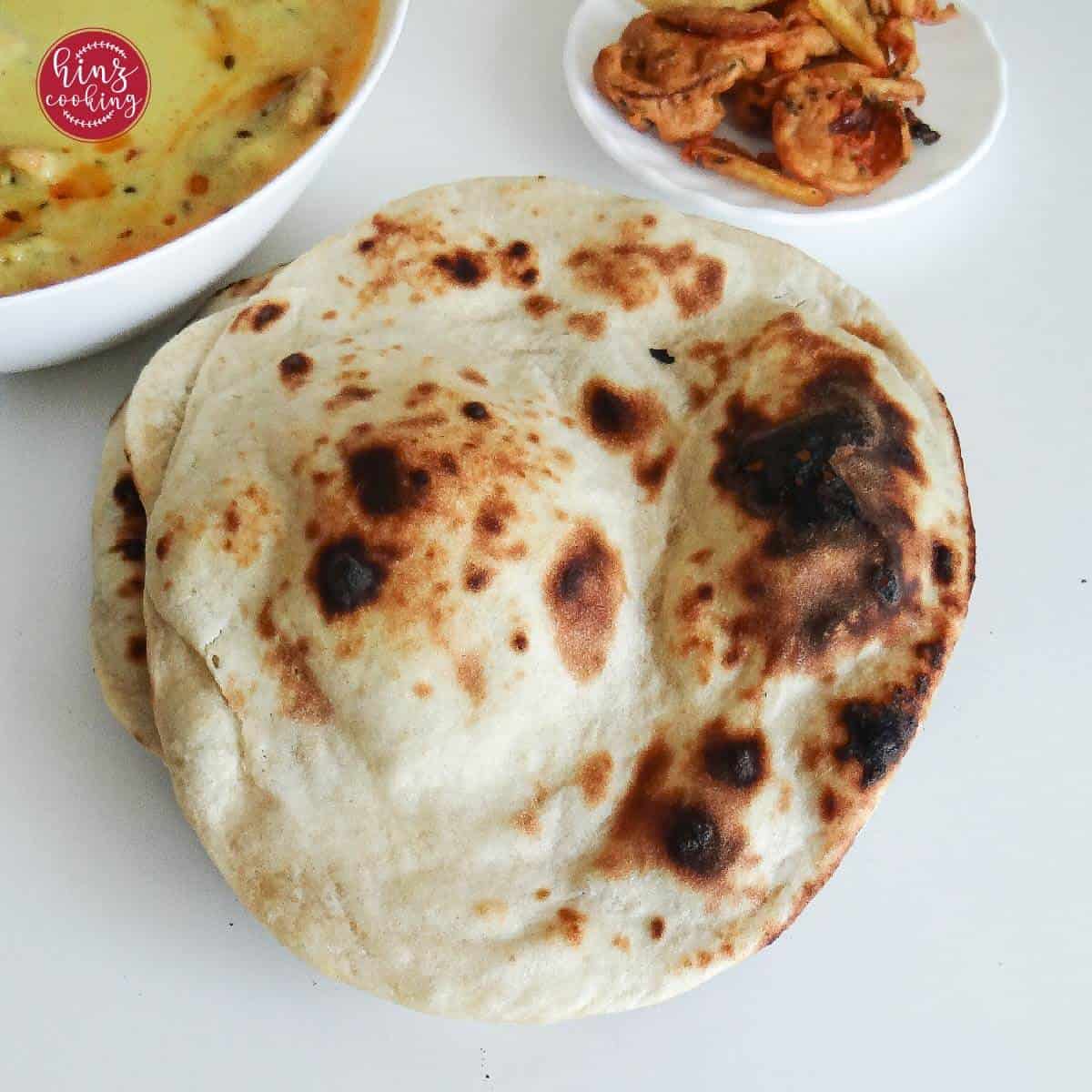
23. Tawa Naan (Stovetop)
The everyday Eid bread — leavened naan cooked on a tawa rather than in a tandoor. Soft, chewy, and perfect for scooping karahi and keema. Make multiple batches — they go quickly. Full Tawa Naan Recipe →
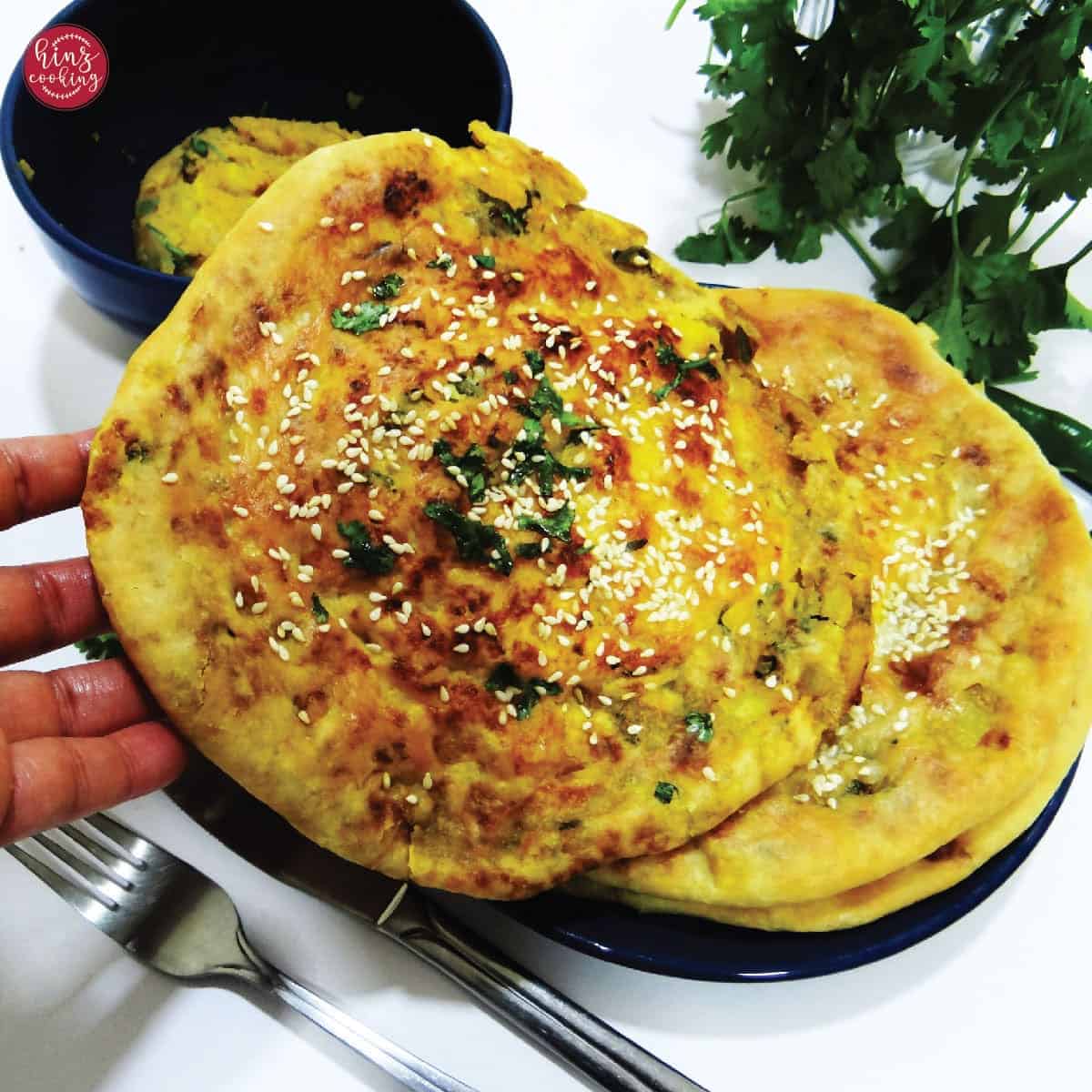
24. Aloo Naan (Potato Stuffed Flatbread)
Potato-stuffed naan — one of the most popular flatbreads in Pakistani Eid spreads. The potato filling makes it substantial enough to serve alongside lighter curries or on its own. Full Aloo Naan Recipe →
SECTION 7 — EID DESSERTS
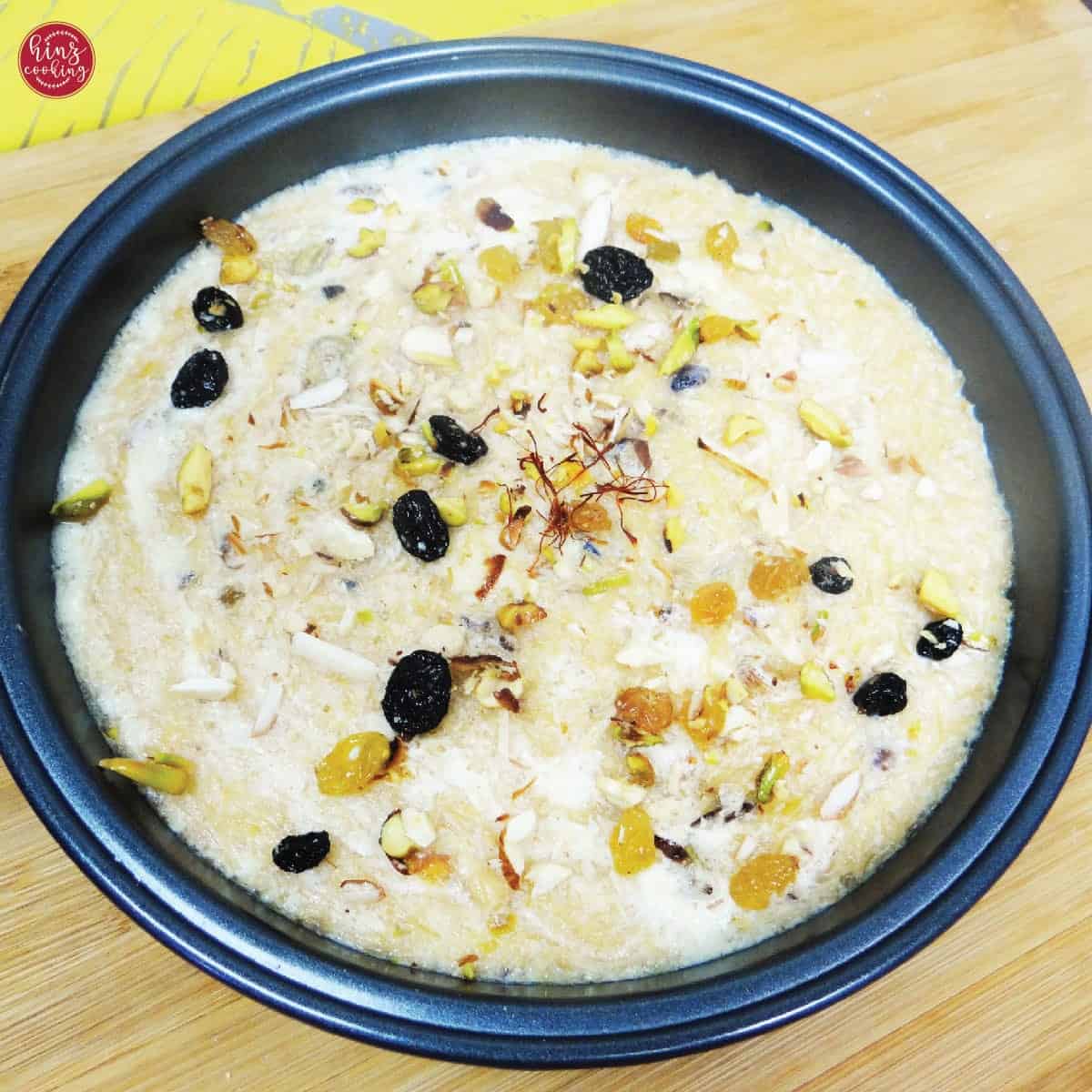
25. Sheer Khurma
The traditional Eid dessert — vermicelli cooked in sweetened milk with dates, saffron, cardamom, and dried fruits. Served on Eid morning before the Eid prayer in many Pakistani households. The most recognized Pakistani Eid sweet. Full Sheer Khurma Recipe →
26. Karak Chai
The Gulf tea that ends every Eid meal — sweet, spiced, intensely fragrant. Essential if you are serving Mandi or Kabsa alongside your Pakistani dishes. Full Karak Chai Recipe →

Bakra Eid Cooking Tips
Marinate the kabab mince overnight. All keema-based kababs — seekh, chapli, shami, gola — hold together better and taste more complex when the mince is seasoned and refrigerated overnight. The salt draws out moisture slightly, the spices penetrate the meat, and the mixture firms up enough to shape cleanly the next day.
Cook the biryani korma a day ahead. Biryani curry (korma) tastes significantly better the day after it is made. The oil separates cleanly, the spices integrate, and the meat is fully tender. Refrigerate the korma the evening before Eid, then boil fresh rice and layer on the day.
Make birista in large batches. Crispy fried onions are used in biryani, kababs, and curries across the whole Eid cooking period. Make a large batch in one session — a full bag of onions fried to deep golden — and store in an airtight jar. They keep for 5–7 days and save time across every recipe that calls for them.
Freeze kababs in layers. After frying or shaping, freeze kababs in single layers on trays before transferring to freezer bags. This prevents them from sticking together. Eid kababs in the freezer are one of the best things about the weeks following Eid.
The day-after gosht principle. Bone-in mutton and lamb curries — Aloo Gosht, Bhuna Gosht, Paya — taste better the day after cooking. Plan to make these on Eid Day 1 for eating on Day 2. The fat settles on top overnight, the sauce deepens, and the meat becomes even more tender after a night of slow cooling.
How to Store and Freeze Qurbani Meat
Fresh Qurbani meat needs to be handled correctly within the first few hours. Meat left at room temperature for more than 2 hours begins to develop bacteria — and in the heat of a Dubai or Pakistani summer, that window is even shorter.
The first 2 hours — what to do immediately
As soon as the meat is cut and portioned, sort it before anything else. Do not refrigerate or freeze an unsorted pile of mixed cuts — you will spend the next three weeks digging through the freezer looking for what you need.
Sort into these categories:
Mince (keema) — for seekh kabab, shami kabab, kofta, and keema curry. Portion in 500g batches — the right amount for one kabab or keema session.
Bone-in curry pieces (gosht) — for biryani, aloo gosht, karahi, and nihari. Portion in 750g–1kg batches per meal.
Chops and tikka cuts — for BBQ, grilling, and tawa cooking. Keep in the largest pieces possible — they dry out faster when cut small before freezing.
Liver, kidney, and offal — must be cooked within 24 hours. Do not freeze organ meat for longer than 1 month.
Trotters and paya — for paya curry and nihari. Freeze separately in pairs.
Refrigerator storage
Fresh Qurbani meat keeps in the refrigerator for 2–3 days at 4°C or below. Use the meat you plan to cook on Eid Day 1 and Day 2 immediately from the refrigerator — no need to freeze it.
Wipe each piece dry with paper towels before refrigerating. Excess moisture accelerates bacterial growth and produces a grey surface color on the meat.
Store in airtight containers or sealed zip-lock bags — not open plates. Meat left uncovered in the refrigerator dries out on the surface and absorbs odors from other foods.
Freezer storage — how to do it correctly
Dry the meat before freezing. Pat each piece completely dry with paper towels. Moisture on the surface of frozen meat causes freezer burn — the grey, dry patches that make frozen meat unpleasant to cook.
Portion before freezing. Freeze in meal-sized portions in flat, labelled freezer bags. Flat bags stack efficiently, thaw faster and more evenly than rounded packages, and make the freezer manageable for weeks after Eid.
Label every bag. Write the cut type and freezing date on each bag before sealing. After two weeks it becomes impossible to identify cuts by sight alone through a frozen bag. Use masking tape and a permanent marker or freezer-safe labels.
How long each cut keeps frozen:
| Cut | Freezer life |
|---|---|
| Mince (keema) | 3–4 months |
| Bone-in gosht (curry pieces) | 4–6 months |
| Chops and tikka cuts | 4–6 months |
| Liver and kidney | 1–2 months |
| Trotters / paya | 4–6 months |
| Cooked kababs | 2–3 months |
| Cooked shami kabab | 3 months |
| Biryani (cooked) | 1 month |
How to thaw correctly
Refrigerator thawing (best method): Move the portion from freezer to refrigerator 12–24 hours before cooking. The meat thaws slowly and evenly without any temperature danger zone. This is the method that preserves the best texture.
Cold water thawing (faster): Place the sealed freezer bag in a bowl of cold water — not hot or warm. Change the water every 30 minutes. A 500g portion thaws in 1–2 hours.
Never thaw at room temperature. Meat left on the counter to thaw enters the bacterial danger zone (4°C–60°C) the moment the outer surface warms up while the centre is still frozen. This is a food safety risk.
Never refreeze thawed meat unless you cook it first. Raw meat that has been thawed and refrozen develops an unpleasant texture and carries a food safety risk.
Make-ahead kabab tip for after Eid
The best use of Eid mince for the following weeks: make full batches of Shami Kabab and Seekh Kabab mixture immediately while the meat is fresh. Cook, cool completely, then freeze in layers separated by parchment paper. Cooked kababs reheat from frozen in 4–5 minutes in the air fryer at 180°C — as good as freshly made. You will have easy weeknight kababs for the next two months from one afternoon of Eid cooking.
Frequently Asked Quetions
Bakra Eid (also called Eid ul Adha or the Festival of Sacrifice) is one of the two major Islamic celebrations. It commemorates the sacrifice of Prophet Ibrahim (AS) and involves the ritual Qurbani (sacrifice) of a halal animal. The fresh meat from Qurbani is distributed among family, neighbors, and those in need — with the household portion forming the basis of several days of cooking.
The most common Pakistani Eid recipes are Beef or Mutton Biryani (Eid Day 1 lunch), Seekh Kabab and Chapli Kabab (Eid evening BBQ), Aloo Gosht and Mutton Karahi (Day 2), and Shami Kabab made in batches for the freezer. Sheer Khurma is the traditional dessert served on Eid morning
For a full Eid spread: 200–250g of bone-in gosht per person for curries, 150–200g of mince per person for kababs. For a biryani serving 6, plan 750g–1kg bone-in meat. Always make more kabab mixture than you think you need — they disappear faster than any other dish.
Yes — most improve with advance preparation. Biryani korma: 1–2 days ahead. Kabab mince: marinate overnight. Shami kababs: make and freeze up to 1 month ahead. Birista: 5–7 days ahead. Sheer Khurma: can be made the morning of Eid and served at room temperature.
Freeze in portion sizes immediately after butchering — don't let it sit unfrozen for more than 24 hours. Sorted portions (mince, bone-in curry pieces, chops) make the next three weeks of cooking manageable. Mince freezes best. Bone-in pieces should be used within the first 2–3 days for the best curry results.
Bone-in gosht and chops keep well frozen for 4–6 months. Mince keeps for 3–4 months. Organ meat (liver, kidney) should be used within 1–2 months of freezing. Label every bag with the cut and date before freezing.
Pat every piece completely dry with paper towels before freezing — surface moisture is the main cause of freezer burn. Seal in airtight zip-lock bags with as much air removed as possible. Freeze flat in single layers.

Hinz
Bakra Eid Mubarak! On this festive moment, I am sharing some quick and easy recipes with step by step instructions and video tutorial that will help to get quick directions.